
 AI-generated
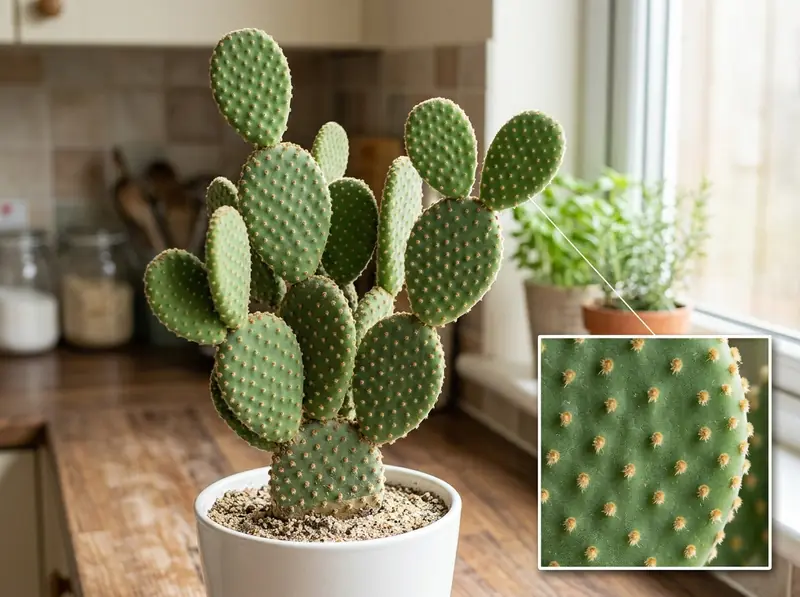
Bunny Ears Cactus
Opuntia microdasys
Also known as Opuntia macrocalyx, Opuntia pulvinata
Bunny ears cactus forms flat, oval pads covered in dotted tufts of tiny barbed bristles, and it grows slowly into a bushy clump. It needs lots of direct sun, gritty fast-draining soil and very little water, so it suits a sunny windowsill. Take care when handling it, since the fine bristles are hard to remove from skin.
Saving is free with a KinClub account, and it works here and in the KinClub app. Sign up free
Care profile
- Light
- Direct sunLow → direct sun
- Water
- Let it dry outAbout every 21 days
- Difficulty
- EasyTricky → easy
- Coldest it tolerates
- 40°F
- Humidity
- Low
- Mature size
- MediumSmall → tree-size
- Growth rate
- Slow to moderate
- How common
- Very commonRare → everywhere
- Plant family
- Cactaceae
Pets and toxicity
Cats and dogs: not yet checked
Not yet checked against ASPCA — don't assume it's safe for pets.
Source: ASPCA toxic and non-toxic plants. If a pet eats any houseplant, call your vet or an animal poison helpline.
How to care for Bunny Ears Cactus
Light
Give it at least 4-6 hours of direct sun, such as a south- or west-facing window. Move it into stronger sun gradually to avoid scorching.
Watering
In spring and summer, soak thoroughly only when the soil is completely dry, roughly every 2-4 weeks. In winter, water only once every 1-2 months or not at all in a cool room.
Soil
Use a gritty cactus mix, ideally with extra perlite or pumice added (about half by volume). Use a pot with drainage holes, preferably unglazed clay.
Feeding
Feed with a low-nitrogen cactus fertilizer diluted to half strength once a month in spring and summer. Do not feed in autumn and winter.
Repotting
Repot every 2-3 years in spring, or when the plant outgrows its pot. Wear thick gloves, and let the soil stay dry for a week afterward before watering.
Propagation
Twist off a healthy pad and let the cut end callus for a week or more. Then set it upright or barely inserted in dry cactus mix, and water lightly once roots form in a few weeks.
Common problems
- Soft, mushy pads at the base indicate rot from overwatering: cut away the healthy pads, let them callus, and replant in fresh dry mix.
- Cottony white patches are mealybugs: dab them with a cotton swab dipped in rubbing alcohol and repeat weekly until gone.
- Brown, corky scabs or bumps may be scale insects: scrape them off or treat with alcohol, and isolate the plant.
- Pale, stretched, leaning growth means too little light: move to a sunnier window or add a grow light.
Similar plants
Same light needs and difficulty.
 AI-generated
 AI-generated
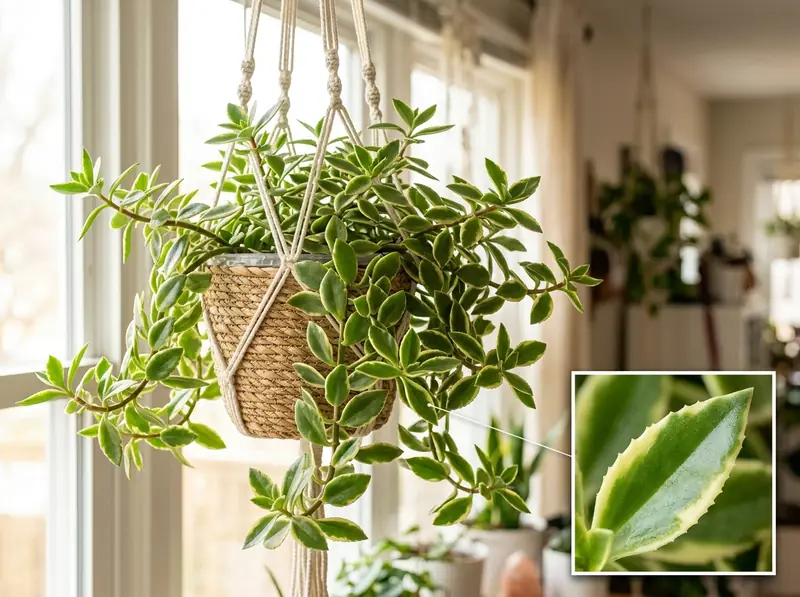
Variegated Crassula
Crassula sarmentosa
- Bright, indirect to direct sun
- Let it dry out
Pets: not yet checked AI-generated
 AI-generated