
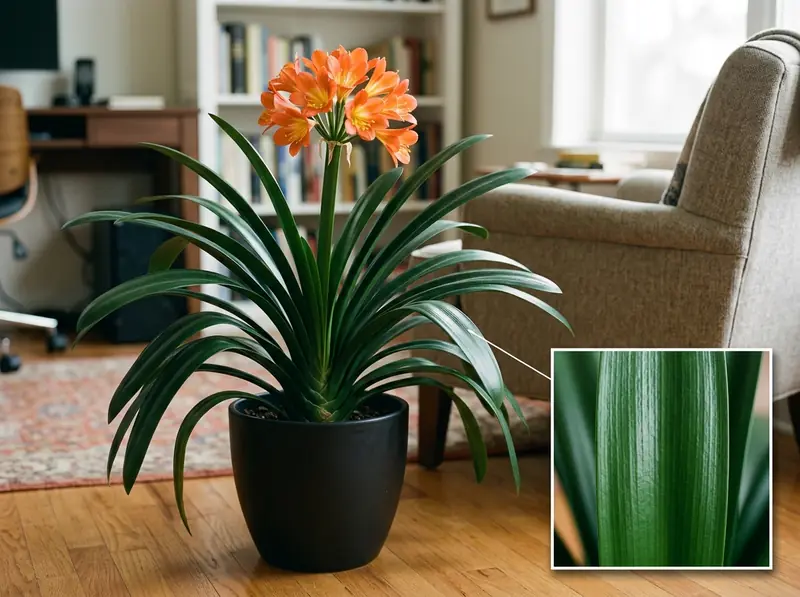
 AI-generated
Bush Lily
Clivia miniata
Also known as Clivia sulphurea
Bush lily is a tough, long-lived plant with dark, arching strap-shaped leaves. In late winter to spring it produces clusters of orange, trumpet-shaped flowers. It is slow-growing and likes to be left alone, and it needs a cool, dry winter rest to bloom reliably.
Saving is free with a KinClub account, and it works here and in the KinClub app. Sign up free
Care profile
- Light
- Bright, indirect lightLow → direct sun
- Water
- Let it dry outAbout every 14 days
- Difficulty
- EasyTricky → easy
- Coldest it tolerates
- 40°F
- Humidity
- Low to medium
- Mature size
- MediumSmall → tree-size
- Growth rate
- Slow
- How common
- Very commonRare → everywhere
- Plant family
- Amaryllidaceae
Pets and toxicity
Toxic to cats
Keep away from cats. Call your vet or a pet poison helpline if a cat chews it.
Toxic to dogs
Keep away from dogs. Call your vet or a pet poison helpline if a dog chews it.
Source: ASPCA toxic and non-toxic plants. If a pet eats any houseplant, call your vet or an animal poison helpline.
How to care for Bush Lily
Light
Give it bright, indirect light, such as near an east window or a few feet back from a south or west one. Shield it from hot direct sun, which scorches the leaves.
Watering
In spring and summer, water thoroughly when the top 1-2 inches of soil are dry, about every 10-14 days. In the cool winter rest, water only enough to keep the roots from shriveling, about once a month.
Soil
Use a well-draining, chunky potting mix, such as regular potting soil with about one-third perlite or fine bark added. Always use a pot with drainage holes.
Feeding
From spring through summer, feed monthly with a balanced houseplant fertilizer at half strength. Stop feeding in fall and winter.
Repotting
Clivia blooms best when slightly root-bound, so repot only every 3-4 years, right after flowering. Move up just 1-2 inches in pot diameter, using a heavy pot since the plant gets top-heavy.
Propagation
Divide offsets (pups) when they have at least 4-5 leaves, cutting them away with some roots right after flowering. Pot them in a small pot of light mix. Growing from seed works but takes 4-5 years to flower.
Common problems
- No flowers: usually caused by no cool winter rest or too little light. Give 6-8 weeks at 50-55°F with little water, then bright light.
- Yellowing lower leaves: often overwatering or poor drainage. Let the soil dry and check the roots for rot.
- Brown leaf tips: from irregular watering or fertilizer salt buildup. Water evenly and flush the pot with water every few months.
- Mealybugs or scale hiding at the leaf bases: wipe them off with rubbing-alcohol-dipped cotton swabs and repeat weekly until gone.
- Flower stalk stays short and buried in leaves: usually the plant got too warm during winter rest. Keep it cooler next season.
Similar plants
Same light needs and difficulty.
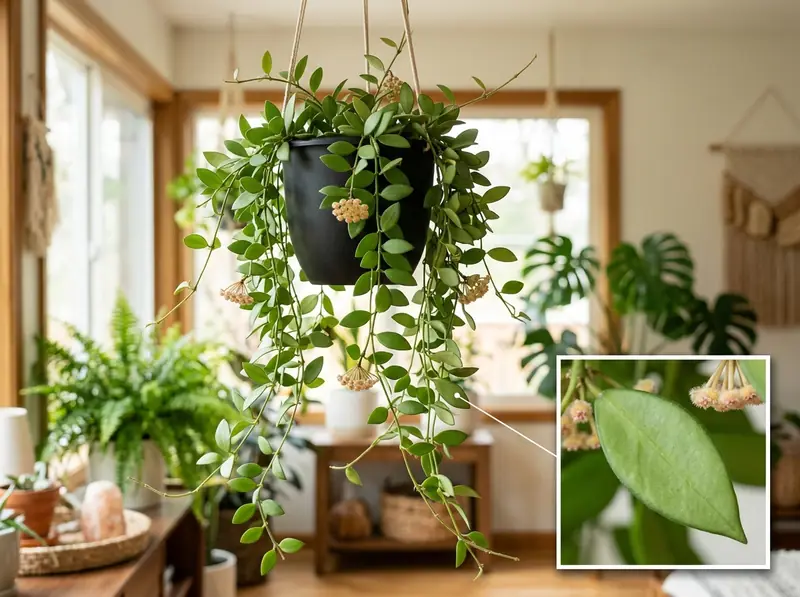 AI-generated
Heuschkeliana Hoya
Hoya heuschkeliana
- Bright, indirect light
- Dry to moderate watering
Pets: not yet checked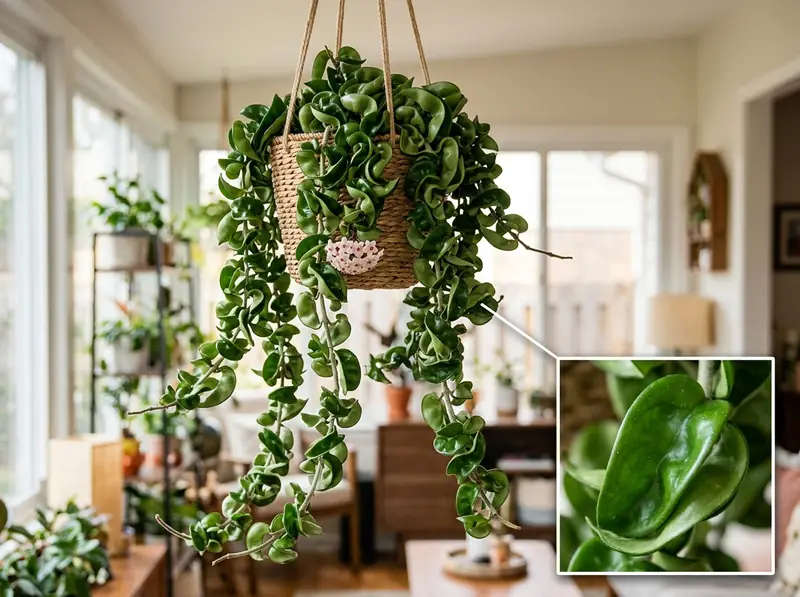 AI-generated
 AI-generated
Chinese Money Plant
Pilea peperomioides
- Bright, indirect light
- Dry to moderate watering
Pets: not yet checked AI-generated
Christmas Cactus
Schlumbergera × buckleyi
- Bright, indirect light
- Moderate watering
Pets: not yet checked