
 AI-generated
Christmas Cactus
Schlumbergera × buckleyi
Christmas cactus is a forgiving, long-lived plant with arching, flat-segmented stems that produces bright flowers in late autumn to winter. Unlike desert cacti, it grows in tree branches in humid forests, so it likes bright indirect light, moderate watering and well-drained soil. Give it long dark nights and cooler temperatures in autumn to set buds.
Saving is free with a KinClub account, and it works here and in the KinClub app. Sign up free
Care profile
- Light
- Bright, indirect lightLow → direct sun
- Water
- Moderate wateringAbout every 10 days
- Difficulty
- EasyTricky → easy
- Coldest it tolerates
- 50°F
- Humidity
- Medium to high
- Mature size
- SmallSmall → tree-size
- Growth rate
- Moderate
- How common
- EverywhereRare → everywhere
- Plant family
- Cactaceae
Pets and toxicity
Cats and dogs: not yet checked
Not yet checked against ASPCA — don't assume it's safe for pets.
No toxicity source on record for this plant yet. If a pet eats any houseplant, call your vet or an animal poison helpline.
How to care for Christmas Cactus
Light
Give bright, indirect light, such as near an east or north-facing window, with protection from hot direct midday sun. Keep it in bright light in spring and summer, and avoid changing its position once flower buds appear.
Watering
Water when the top inch of soil feels dry, then let excess drain fully from the pot, about every 7–14 days in the growing season. Water a little less in the month or so before flowering, but don't let the plant shrivel.
Soil
Use a well-draining potting mix with extra perlite or orchid bark, roughly 2 parts potting mix to 1 part perlite or bark. The pot must have drainage holes.
Feeding
Feed every 2–4 weeks from spring through summer with a balanced houseplant fertilizer at half strength. Stop feeding in early autumn until flowering ends.
Repotting
Repot every 2–3 years after flowering, going up only one pot size, as it blooms best when slightly root-bound. Refresh the mix if it has turned compacted.
Propagation
Twist off a piece of stem with 2–3 segments, let it dry for a day or two, then push the end about half an inch into moist potting mix. It usually roots in 3–6 weeks.
Common problems
- Buds drop before opening: usually caused by sudden changes in temperature, light, drafts or watering, so keep conditions steady once buds form.
- Soft, dark, mushy stem base: root or stem rot from overwatering; cut off healthy segments, let dry, and re-root in fresh mix.
- No blooms: give long nights of 12–14 hours of darkness and cooler temperatures of 50–60°F for about 6 weeks in autumn.
- Wrinkled, limp segments: usually underwatering or damaged roots; check the soil and roots, then water thoroughly or repot.
- White cottony clusters in segment joints: mealybugs; dab with rubbing alcohol on a cotton swab and repeat weekly.
Similar plants
Same light needs and difficulty.
 AI-generated
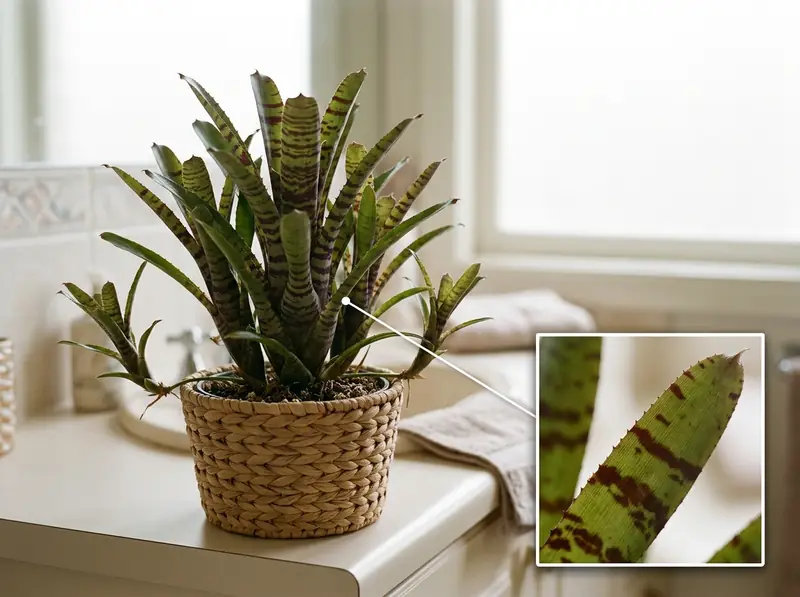
Ampullacea Bromeliad
Neoregelia ampullacea
- Bright, indirect light
- Dry to moderate watering
Pets: not yet checked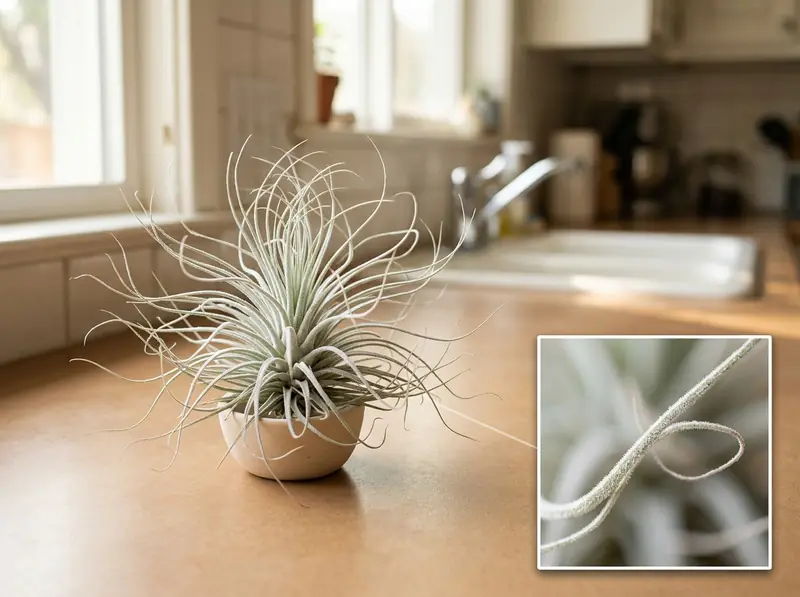 AI-generated
 AI-generated
Chinese Money Plant
Pilea peperomioides
- Bright, indirect light
- Dry to moderate watering
Pets: not yet checked AI-generated