
 AI-generated
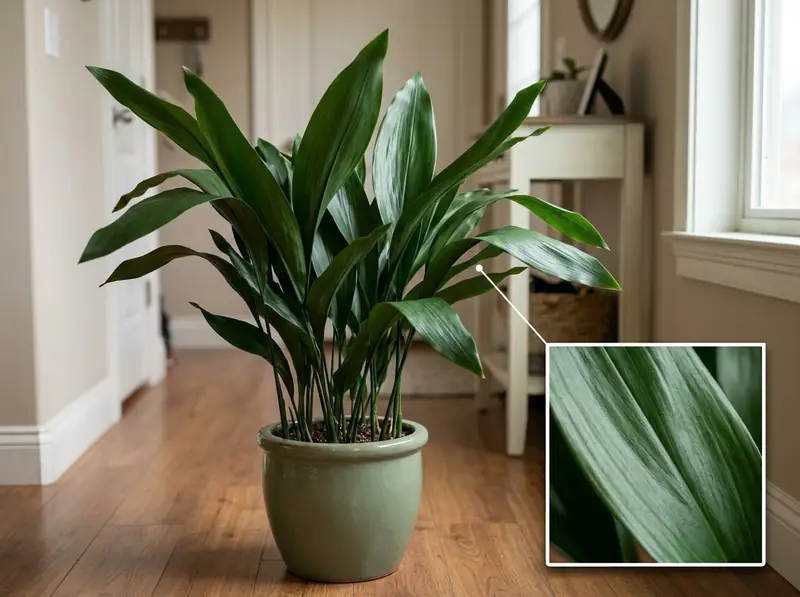
Cast Iron Plant
Aspidistra elatior
Also known as Bar Room Plant, Iron Plant, Variegated Cast Iron Plant
Cast iron plant is a famously tough, slow-growing foliage plant with long, glossy dark green leaves. It thrives in dim rooms and tolerates irregular watering and cool temperatures, making it ideal for beginners. Keep it out of direct sun and avoid overwatering, and it can last for decades.
Saving is free with a KinClub account, and it works here and in the KinClub app. Sign up free
Care profile
- Light
- Low lightLow → direct sun
- Water
- Dry to moderate wateringAbout every 14 days
- Difficulty
- EasyTricky → easy
- Coldest it tolerates
- 45°F
- Humidity
- Low
- Mature size
- MediumSmall → tree-size
- Growth rate
- Slow
- How common
- Very commonRare → everywhere
- Plant family
- Asparagaceae
Pets and toxicity
Non-toxic to cats
Listed as non-toxic to cats by the ASPCA.
Non-toxic to dogs
Listed as non-toxic to dogs by the ASPCA.
Source: ASPCA toxic and non-toxic plants. If a pet eats any houseplant, call your vet or an animal poison helpline.
How to care for Cast Iron Plant
Light
Does best in low to medium indirect light, such as a north-facing window or a spot several feet from a brighter one. Keep it out of direct sun, which scorches the leaves.
Watering
Water thoroughly when the top 2 inches of soil are dry, usually every 10 to 14 days in the growing season and less often in winter. Empty the saucer after watering, since it tolerates some dryness better than soggy soil.
Soil
Use a standard well-draining potting mix, optionally with a handful of perlite or bark per few quarts for better drainage. The pot must have drainage holes.
Feeding
Feed with a balanced liquid houseplant fertilizer at half strength about once a month from spring through summer. Skip feeding in fall and winter.
Repotting
Repot only every 3 to 4 years, in spring, when roots crowd the pot. Move up just one pot size (1 to 2 inches wider), as it resents disturbance.
Propagation
Divide the plant in spring by separating the rhizome clumps, making sure each section has at least one or two leaves and some roots. Pot each division in fresh mix and keep it lightly moist.
Common problems
- Brown leaf tips or edges: usually from underwatering, dry soil for too long or fertilizer buildup; water more evenly and flush the soil occasionally.
- Yellowing, soft leaves at the base: overwatering or poor drainage; let the soil dry out more and check for root rot.
- Pale streaked or scorched leaves: too much sun; move it to a shadier spot.
- Fine webbing and speckled leaves: spider mites; wipe leaves with water and treat with insecticidal soap, repeating weekly.
Similar plants
Same light needs and difficulty.
 AI-generated
 AI-generated
 AI-generated
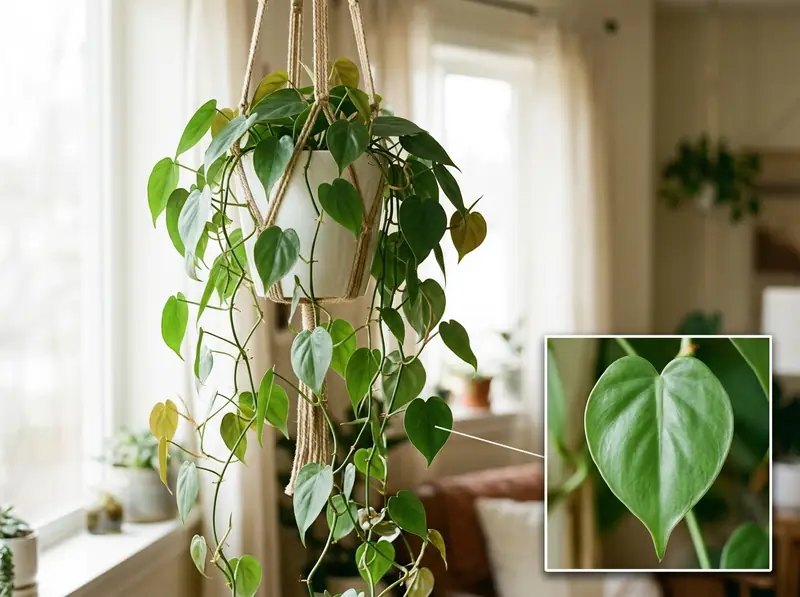 AI-generated
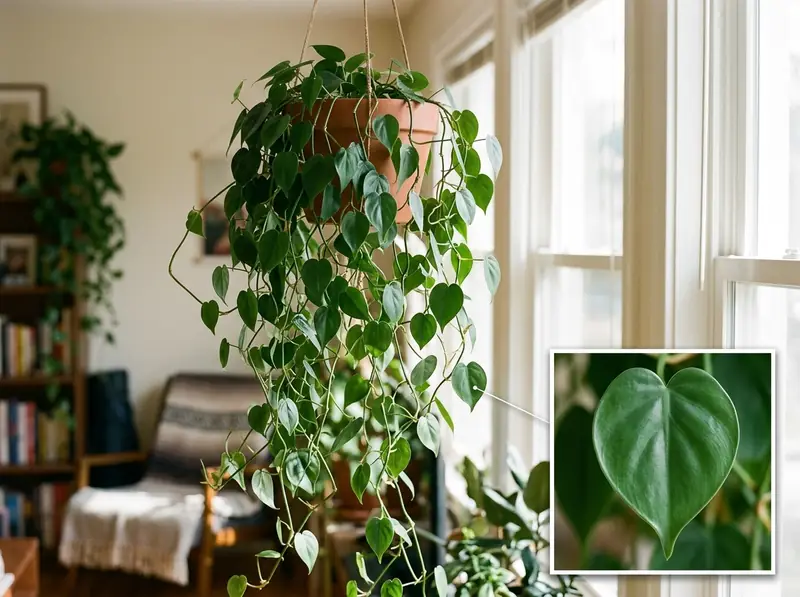
Heartleaf Philodendron
Philodendron hederaceum
- Low to medium light
- Moderate watering
Toxic to cats and dogs