
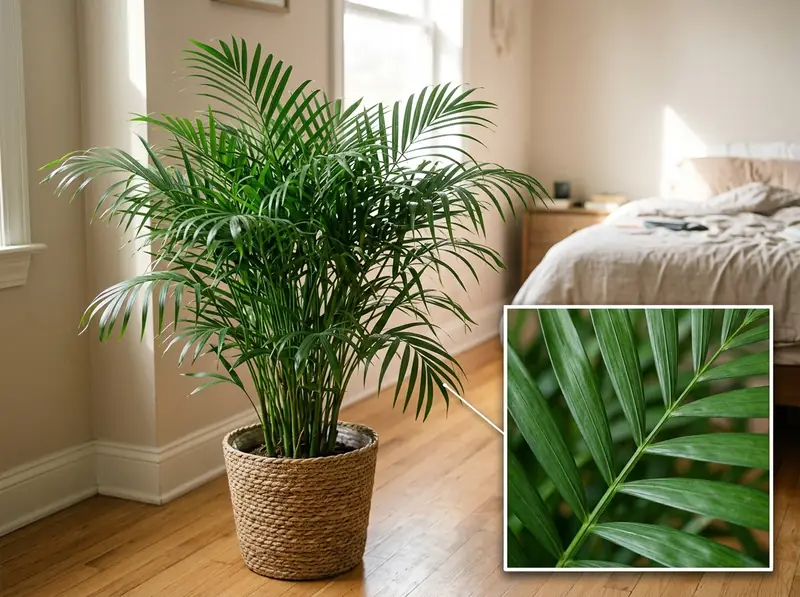
 AI-generated
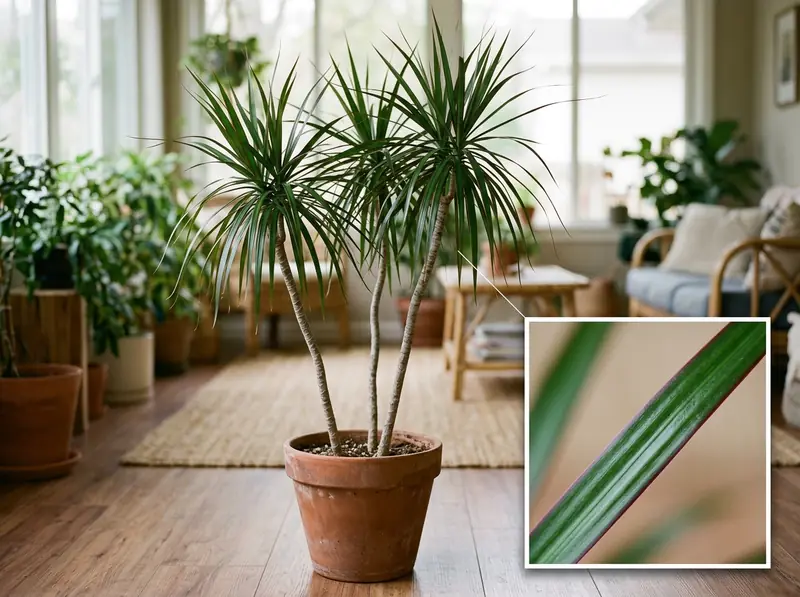
Cat Palm
Chamaedorea cataractarum
Cat palm is a lush, clumping palm with arching, glossy green fronds that suits a bright room with no direct sun. It likes evenly moist soil and higher humidity than most palms, and it is generally easy to grow if it isn't allowed to dry out completely. Indoors it typically reaches 3 to 4 feet tall and wide.
Saving is free with a KinClub account, and it works here and in the KinClub app. Sign up free
Care profile
- Light
- Medium to bright, indirect lightLow → direct sun
- Water
- Keep moistAbout every 7 days
- Difficulty
- Easy to moderateTricky → easy
- Coldest it tolerates
- 50°F
- Humidity
- High
- Mature size
- LargeSmall → tree-size
- Growth rate
- Slow to moderate
- How common
- CommonRare → everywhere
- Plant family
- Arecaceae
Pets and toxicity
Cats and dogs: not yet checked
Not yet checked against ASPCA — don't assume it's safe for pets.
No toxicity source on record for this plant yet. If a pet eats any houseplant, call your vet or an animal poison helpline.
How to care for Cat Palm
Light
Give it medium to bright-indirect light, such as a few feet from an east or north-facing window. Keep it out of direct midday sun, which scorches the fronds, though it tolerates lower light.
Watering
Keep the soil evenly damp but not soggy; water when the top inch is just starting to dry, usually about weekly in the growing season. Water less in winter, and empty the saucer after watering.
Soil
Use a peat- or coir-based houseplant potting mix with added perlite or bark for drainage. The pot must have drainage holes.
Feeding
Feed every 4 to 6 weeks in spring and summer with a balanced liquid fertiliser diluted to half strength. Skip feeding in fall and winter.
Repotting
Repot every 2 to 3 years in spring, only when roots fill the pot, moving up one pot size (1 to 2 inches wider). It has sensitive roots, so disturb them as little as possible.
Propagation
Mainly grown from seed, which is slow and needs warmth and patience. Mature clumps can be carefully divided in spring, but the roots are easily damaged, so this is best left to experienced growers.
Common problems
- Brown frond tips: usually dry air or inconsistent watering. Raise humidity, water evenly, and trim only the brown part.
- Spider mites (fine webbing, stippled leaves): rinse fronds thoroughly and wipe with insecticidal soap weekly until clear.
- Yellow lower fronds: often overwatering or poor drainage. Let the top inch dry and check that the pot drains freely.
- Pale, scorched fronds: too much direct sun. Move it to filtered light.
- Salt build-up (white crust on soil, brown tips): flush the pot with plain water every few months until it drains freely.
Similar plants
Same light needs and difficulty.
 AI-generated
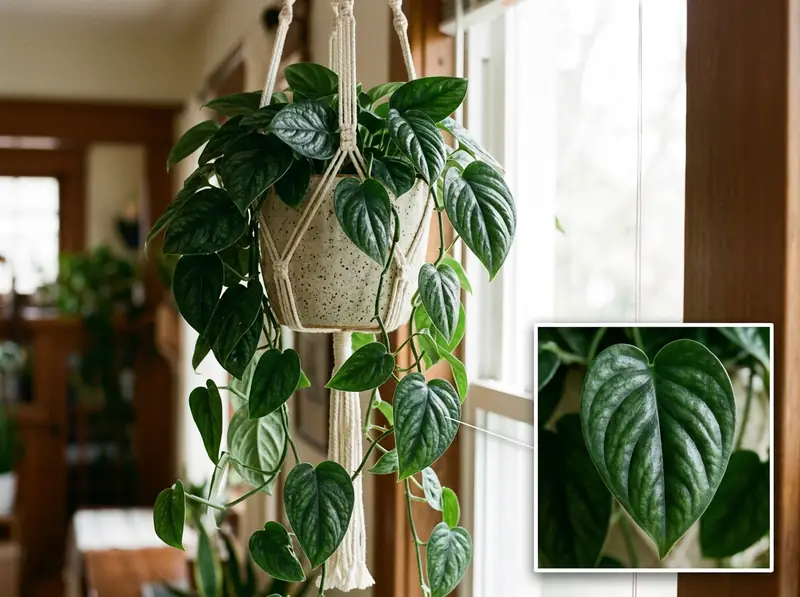
Lucens Scindapsus
Scindapsus lucens
- Medium to bright, indirect light
- Moderate watering
Toxic to cats and dogs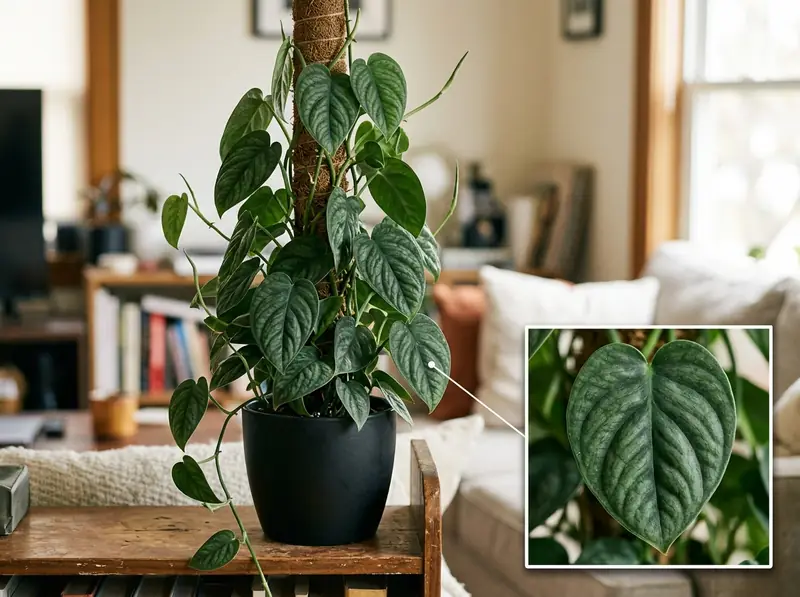 AI-generated
Mayari Scindapsus
Scindapsus mayari
- Medium to bright, indirect light
- Dry to moderate watering
Toxic to cats and dogs AI-generated
 AI-generated