
 AI-generated
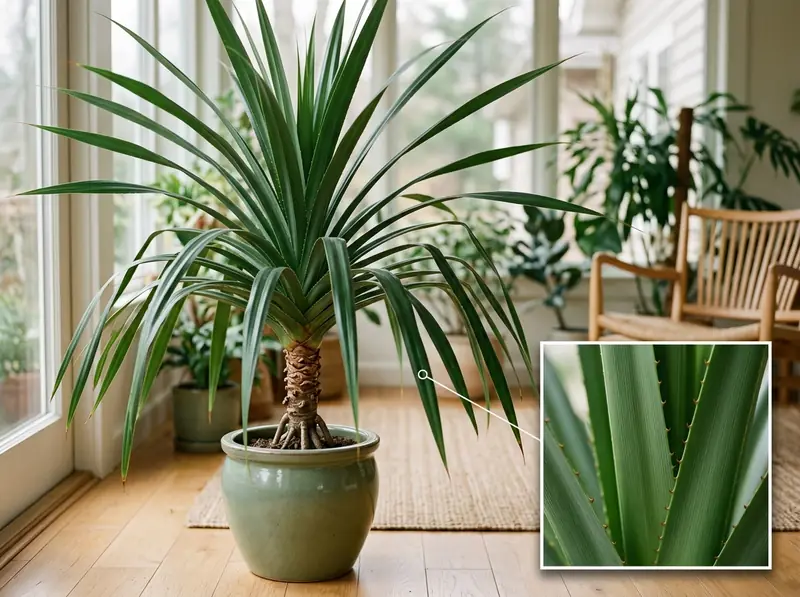
Common Screw Pine
Pandanus utilis
Common screw pine is a bold, architectural plant with long, stiff, sword-like leaves arranged in a spiral around a central stem. It is forgiving and easy to grow in bright light with moderate watering, and it can reach 3-6 ft indoors over the years. Handle it with care, as the leaf edges are spiny.
Saving is free with a KinClub account, and it works here and in the KinClub app. Sign up free
Care profile
- Light
- Bright, indirect to direct sunLow → direct sun
- Water
- Moderate wateringAbout every 10 days
- Difficulty
- Easy to moderateTricky → easy
- Coldest it tolerates
- 50°F
- Humidity
- Medium
- Mature size
- Large to tree-sizeSmall → tree-size
- Growth rate
- Moderate
- How common
- EnthusiastRare → everywhere
- Plant family
- Pandanaceae
Pets and toxicity
Cats and dogs: not yet checked
Not yet checked against ASPCA — don't assume it's safe for pets.
No toxicity source on record for this plant yet. If a pet eats any houseplant, call your vet or an animal poison helpline.
How to care for Common Screw Pine
Light
Give it a bright spot with several hours of filtered light, such as near an east or south window. It tolerates some direct morning sun but grows loose and pale in dim rooms.
Watering
Water thoroughly when the top 1-2 inches of soil are dry, roughly every 10 days in the growing season, and let excess drain away. Cut back to every 2-3 weeks in winter.
Soil
Use a well-draining potting mix, such as standard houseplant mix with about one-third perlite or coarse sand added. Use a heavy pot, because the plant becomes top-heavy.
Feeding
Feed monthly in spring and summer with a balanced liquid fertilizer diluted to half strength. Do not feed in autumn and winter.
Repotting
Repot every 2-3 years in spring, only when roots fill the pot, moving up one size (about 2 inches wider). Wear gloves and take care not to damage the aerial roots.
Propagation
Remove offsets (pups) from the base once they have a few roots of their own, and pot them in a moist, gritty mix. Keep them warm and lightly moist until established; this can take several weeks.
Common problems
- Brown leaf tips: caused by dry air or irregular watering, so water more evenly and trim the brown parts following the natural leaf shape.
- Yellow lower leaves: usually overwatering or poor drainage, so let the soil dry more between waterings and check the pot drains.
- Mealybugs or scale in leaf bases: dab with cotton swabs dipped in rubbing alcohol and repeat weekly until clear.
- Leaf bleaching or scorch: move it back from hot, direct afternoon sun through glass.
- Loose, floppy growth: usually too little light, so move it to a brighter spot.
Similar plants
Same light needs and difficulty.
 AI-generated
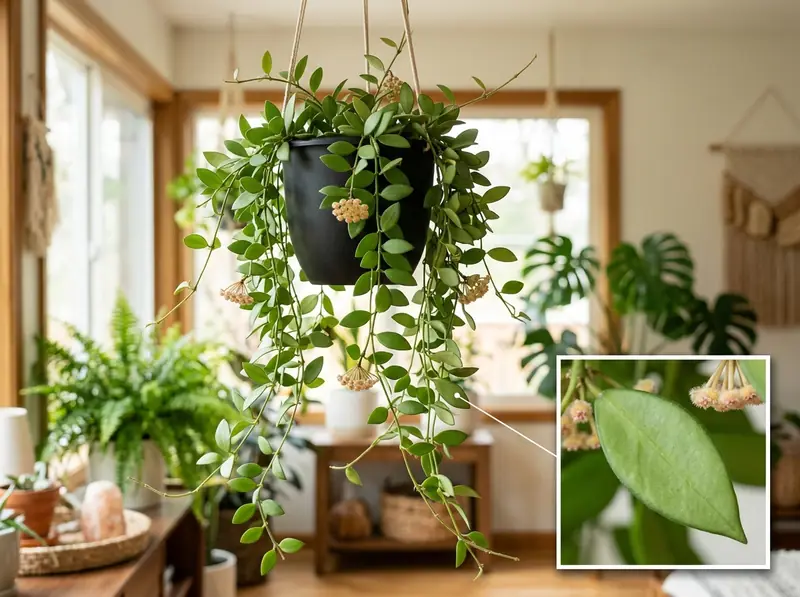
Heuschkeliana Hoya
Hoya heuschkeliana
- Bright, indirect light
- Dry to moderate watering
Pets: not yet checked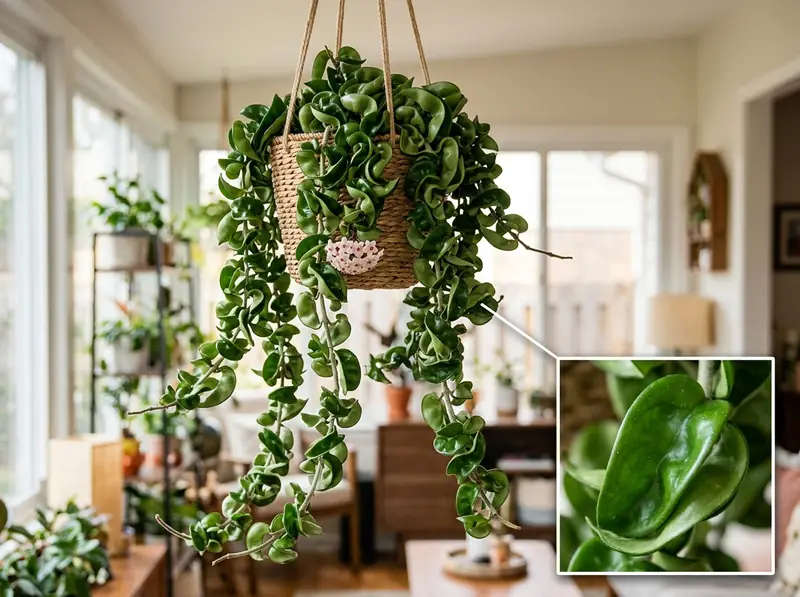 AI-generated
 AI-generated
Chinese Money Plant
Pilea peperomioides
- Bright, indirect light
- Dry to moderate watering
Pets: not yet checked AI-generated
Christmas Cactus
Schlumbergera × buckleyi
- Bright, indirect light
- Moderate watering
Pets: not yet checked