
 AI-generated
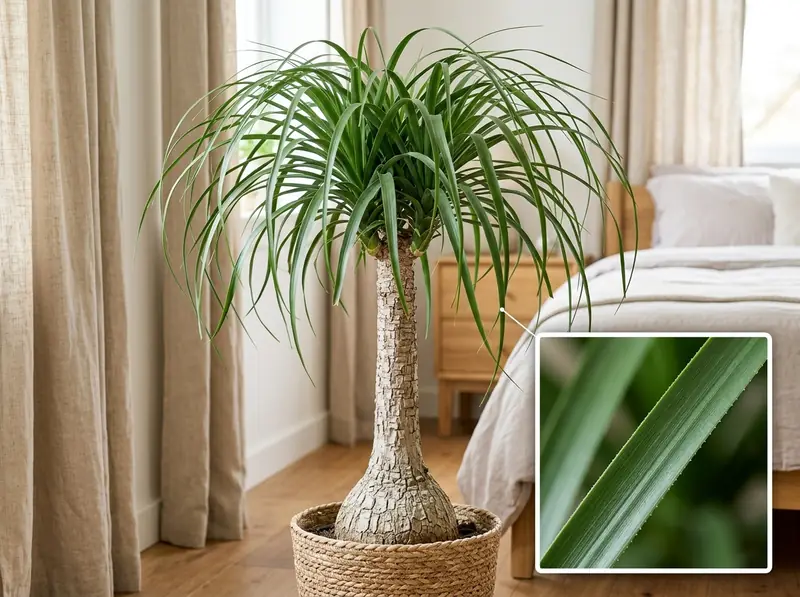
Guatemalan Ponytail Palm
Beaucarnea guatemalensis
A close cousin of the common ponytail palm, with a swollen trunk base topped by a fountain of long, arching leaves. It tolerates dry air and long gaps between waterings, and it lasts many years in a bright window.
Saving is free with a KinClub account, and it works here and in the KinClub app. Sign up free
Care profile
- Light
- Bright, indirect lightLow → direct sun
- Water
- Let it dry outAbout every 14 days
- Difficulty
- EasyTricky → easy
- Coldest it tolerates
- 45°F
- Humidity
- Low
- Mature size
- Large to tree-sizeSmall → tree-size
- Growth rate
- Slow
- How common
- EnthusiastRare → everywhere
- Plant family
- Asparagaceae
Pets and toxicity
Cats and dogs: not yet checked
Not yet checked against ASPCA — don't assume it's safe for pets.
No toxicity source on record for this plant yet. If a pet eats any houseplant, call your vet or an animal poison helpline.
How to care for Guatemalan Ponytail Palm
Light
Give it as much bright light as possible, including a few hours of direct morning or afternoon sun. A south or west window is ideal. Low light gives thin, weak growth.
Watering
Soak the pot thoroughly, then let the mix dry out completely, about every 2 weeks in summer and every 4 to 6 weeks in winter. Never leave it sitting in water.
Soil
Use a gritty cactus mix, or potting soil blended with pumice or coarse sand so water runs straight through.
Feeding
Feed with a half-strength balanced fertilizer once a month in spring and summer, and not at all in winter.
Repotting
It prefers a snug pot, so repot only every 3 to 4 years in spring, into a pot only slightly wider than the trunk base.
Propagation
Seed is slow and offsets are rare, so most home growers simply buy a plant. Remove any pups at the base with roots attached and pot them in gritty mix.
Common problems
- Brown leaf tips: dry mix, salt build-up or dry air. Flush the pot with water occasionally and trim tips with clean scissors.
- Soft trunk base: root rot from overwatering. If caught early, unpot, trim rot and repot dry in gritty mix.
- Fine webbing and stippling on leaves: spider mites. Rinse the foliage and treat with insecticidal soap weekly.
Similar plants
Same light needs and difficulty.
 AI-generated
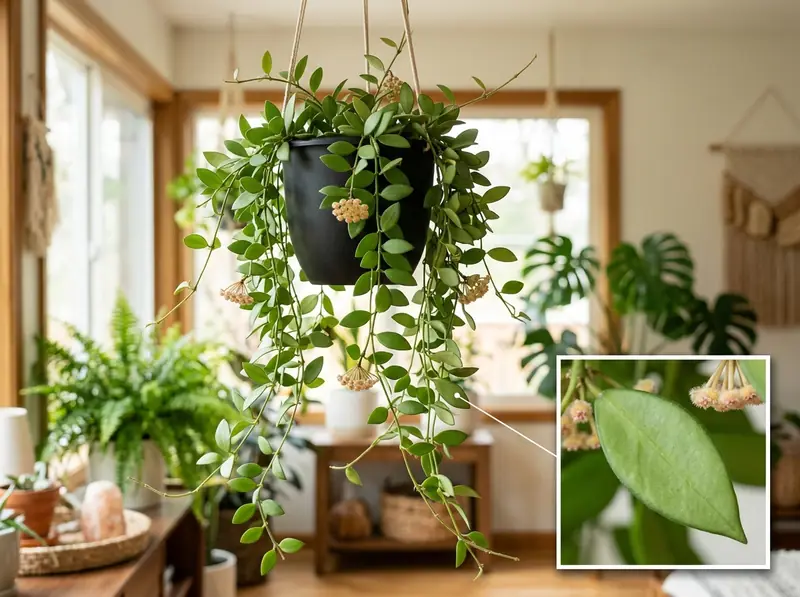
Heuschkeliana Hoya
Hoya heuschkeliana
- Bright, indirect light
- Dry to moderate watering
Pets: not yet checked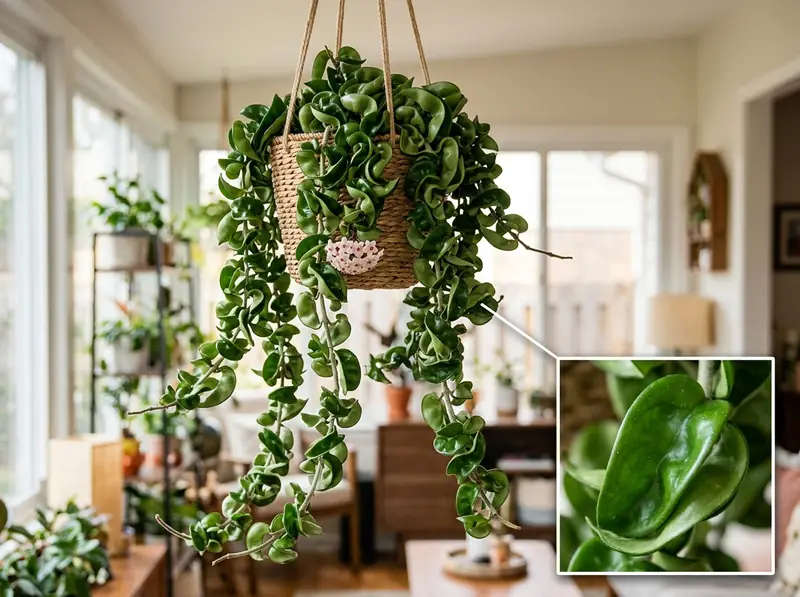 AI-generated
 AI-generated
Chinese Money Plant
Pilea peperomioides
- Bright, indirect light
- Dry to moderate watering
Pets: not yet checked AI-generated
Christmas Cactus
Schlumbergera × buckleyi
- Bright, indirect light
- Moderate watering
Pets: not yet checked