
 AI-generated
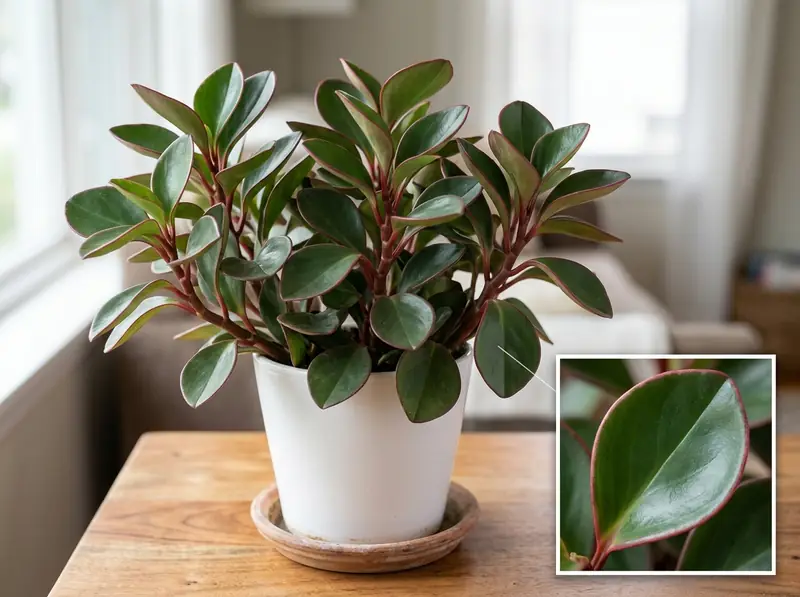
Jelly Peperomia
Peperomia clusiifolia
Also known as Red Edge Peperomia
Jelly Peperomia is a compact, slow-growing plant with thick, succulent-like leaves that are green with red-tinged edges and stems. It is easygoing and suits shelves and desks in bright, indirect light. The main way to lose one is to overwater, so let the soil dry between drinks.
Saving is free with a KinClub account, and it works here and in the KinClub app. Sign up free
Care profile
- Light
- Bright, indirect lightLow → direct sun
- Water
- Let it dry outAbout every 10 days
- Difficulty
- EasyTricky → easy
- Coldest it tolerates
- 50°F
- Humidity
- Medium
- Mature size
- SmallSmall → tree-size
- Growth rate
- Slow to moderate
- How common
- CommonRare → everywhere
- Plant family
- Piperaceae
Pets and toxicity
Non-toxic to cats
Listed as non-toxic to cats by the ASPCA.
Non-toxic to dogs
Listed as non-toxic to dogs by the ASPCA.
Source: ASPCA toxic and non-toxic plants. If a pet eats any houseplant, call your vet or an animal poison helpline.
How to care for Jelly Peperomia
Light
Give bright, indirect light, such as a spot a few feet from an east or lightly shaded south window. Medium light is tolerated but growth slows and the leaf colors fade.
Watering
Water thoroughly when the top 2 inches of soil are dry, about every 7 to 14 days in the growing season. Empty the saucer after 15 minutes and water less in winter.
Soil
Use a loose, well-draining mix, such as standard indoor potting mix with about one-third perlite or orchid bark added. Make sure the pot has drainage holes.
Feeding
Feed every 4 to 6 weeks in spring and summer with a balanced houseplant fertilizer diluted to half the label strength. Do not feed in fall and winter.
Repotting
Repot only every 2 to 3 years, in spring, when roots fill the pot. Go up just one pot size, about 1 to 2 inches wider, since it likes being slightly root-bound.
Propagation
Take a 3 to 4 inch stem cutting with a few leaves, let the cut end dry for an hour, and root it in moist perlite mix or water. Single leaves with a short stalk can also root, though more slowly.
Common problems
- Yellow, mushy lower leaves and dark stems: caused by overwatering or root rot. Let the soil dry out, cut off rotted parts, and repot in fresh, gritty mix if the roots are brown.
- Wrinkled, limp leaves: the plant is thirsty. Soak thoroughly and let it drain; leaves should plump up within a day or two.
- Leggy, sparse growth: not enough light. Move it to a brighter spot and pinch back stems to encourage branching.
- White cottony clusters in leaf joints: mealybugs. Dab with cotton swabs dipped in rubbing alcohol and repeat weekly until they are gone.
- Leaf drop in cold drafts: keep it above 50°F and away from cold windows and air-conditioning vents.
Similar plants
Same light needs and difficulty.
 AI-generated
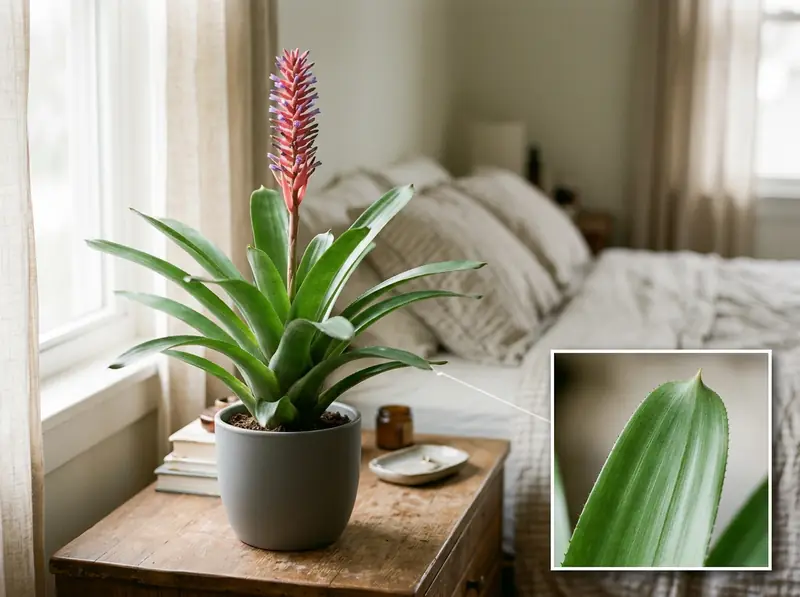
Matchstick Bromeliad
Aechmea gamosepala
- Bright, indirect light
- Dry to moderate watering
Pets: not yet checked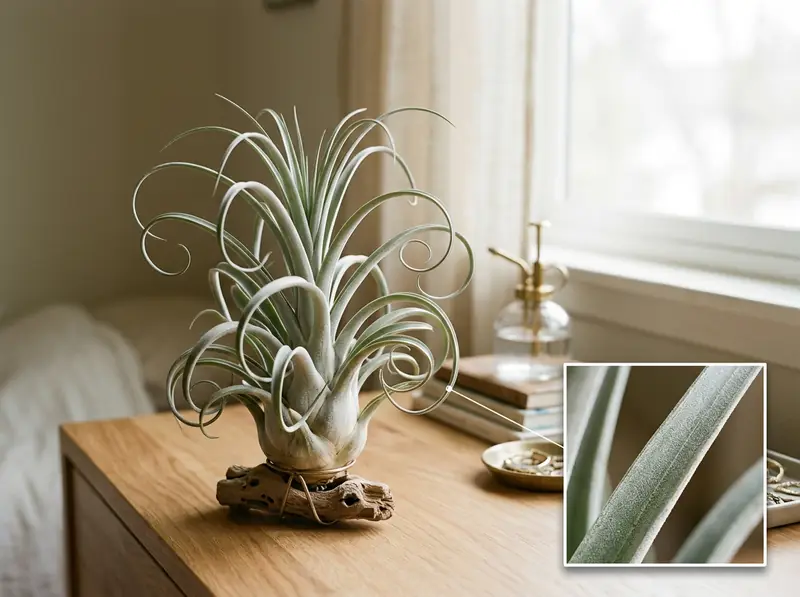 AI-generated
Medusa's Head Air Plant
Tillandsia caput-medusae
- Bright, indirect light
- Dry to moderate watering
Pets: not yet checked AI-generated
Chinese Money Plant
Pilea peperomioides
- Bright, indirect light
- Dry to moderate watering
Pets: not yet checked AI-generated
Christmas Cactus
Schlumbergera × buckleyi
- Bright, indirect light
- Moderate watering
Pets: not yet checked