AI-generated image, not a photograph of this plant. Real plants look different depending on light, soil, temperature and age.
AsparagaceaeEnthusiast in stores
Kenya Hyacinth
Dracaena parva
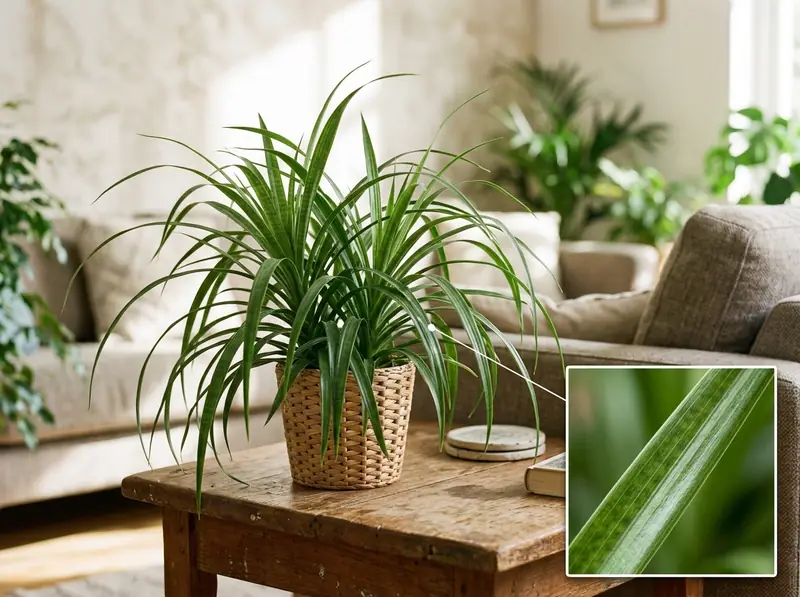
Kenya hyacinth is a small, tufted dracaena (formerly Sansevieria parva) with slender grassy leaves in rosettes. Established clumps can send up fragrant pale pink flower spikes, and it is easy to grow with little water.
Toxic to cats and dogs
💡
Saving is free with a KinClub account, and it works here and in the KinClub app. Sign up free
🪴 Care profile
Light
Bright, indirect lightLow → direct sun
Water
Let it dry outAbout every 18 days
Difficulty
EasyTricky → easy
Coldest it tolerates
50°F
Humidity
Low
Mature size
SmallSmall → tree-size
Growth rate
Slow
How common
EnthusiastRare → everywhere
Plant family
Asparagaceae
🐾 Pets and toxicity
Toxic to cats
Keep away from cats. Call your vet or a pet poison helpline if a cat chews it.
Toxic to dogs
Keep away from dogs. Call your vet or a pet poison helpline if a dog chews it.
Bright indirect light with a few hours of direct morning sun encourages tight growth and flowering. It tolerates moderate light but flowers rarely and grows leggy there.
Watering
Water well when the soil is completely dry, about every 2 to 3 weeks in summer, and only once a month or so in winter. Do not let water sit in the center of the clump.
Soil
A fast-draining cactus mix, or potting soil blended with about half perlite or pumice. A shallow, wide pot suits its spreading roots.
Feeding
Feed lightly 2 or 3 times in spring and summer with a half-strength cactus fertilizer.
Repotting
Repot every 2 to 3 years in spring when the clump fills the pot. Use a pot just slightly bigger.
Propagation
Divide offsets from the clump in spring, making sure each has roots, and let cut ends dry for a day before potting up. This is quick and reliable.
Common problems
Soft, collapsing leaf bases come from overwatering: unpot, trim rot, and replant in dry gritty mix.
Mealybugs collect at the leaf bases: wipe with alcohol and check new growth weekly.
No flowers on a mature clump usually means too little light or no cool, dry winter rest: move it brighter and water sparingly in winter.

 AI-generated
 AI-generated
 AI-generated
 AI-generated
 AI-generated