
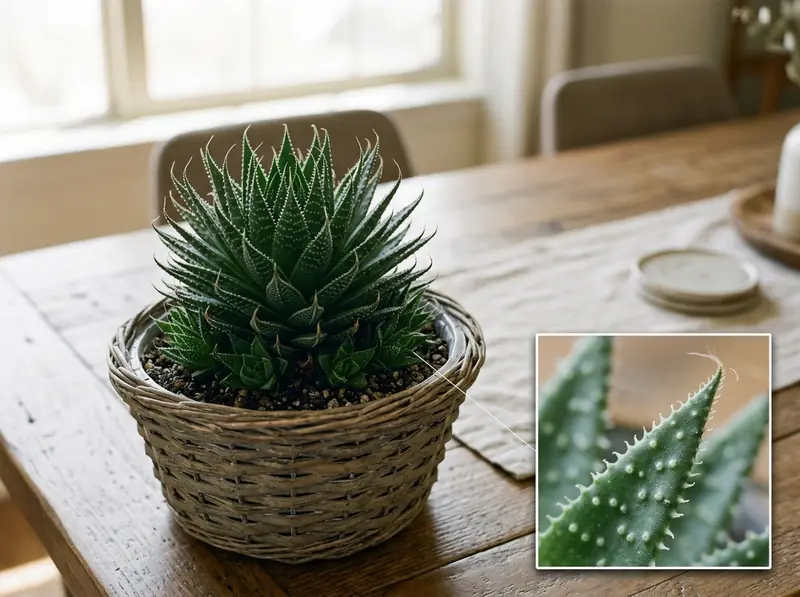
 AI-generated
Lace Aloe
Aloe aristata
Lace aloe is a compact, slow-growing succulent forming small rosettes of dark green leaves covered in white raised spots and soft teeth. It thrives on sun and neglect, and it readily makes pups. Water sparingly and give it a bright sunny spot.
Saving is free with a KinClub account, and it works here and in the KinClub app. Sign up free
Care profile
- Light
- Bright, indirect to direct sunLow → direct sun
- Water
- Let it dry outAbout every 21 days
- Difficulty
- EasyTricky → easy
- Coldest it tolerates
- 30°F
- Humidity
- Low
- Mature size
- SmallSmall → tree-size
- Growth rate
- Slow
- How common
- Very commonRare → everywhere
- Plant family
- Asphodelaceae
Pets and toxicity
Cats and dogs: not yet checked
Not yet checked against ASPCA — don't assume it's safe for pets.
No toxicity source on record for this plant yet. If a pet eats any houseplant, call your vet or an animal poison helpline.
How to care for Lace Aloe
Light
Give it bright light with several hours of direct sun, such as a south or west window. Move it to full sun gradually to avoid sunburn.
Watering
Soak the soil thoroughly, then let it dry out completely before watering again, roughly every 2 to 4 weeks in summer. In winter water only about once a month or less.
Soil
Use a gritty cactus or succulent mix, ideally with extra perlite or pumice. A terracotta pot with a drainage hole helps the soil dry quickly.
Feeding
Feed with a diluted cactus fertiliser at half strength once or twice in spring and summer. Do not feed in autumn or winter.
Repotting
Repot every 2 to 3 years in spring when pups crowd the pot. Choose a pot only slightly wider than the clump.
Propagation
Separate pups from the parent with a few roots attached and pot them in dry succulent mix. Wait a few days before watering lightly.
Common problems
- Stretched, floppy rosette: the light is too low, so move it to a sunnier window.
- Mushy leaves or rotting base: overwatering, so unpot, cut away rotted tissue, let it dry, and repot in fresh gritty mix.
- Cottony white clusters between leaves: mealybugs, so dab with rubbing alcohol on a cotton swab and repeat weekly.
- Brown, dry leaf tips: long dry spells or sunburn, so water deeply when dry and acclimate to strong sun slowly.
Similar plants
Same light needs and difficulty.
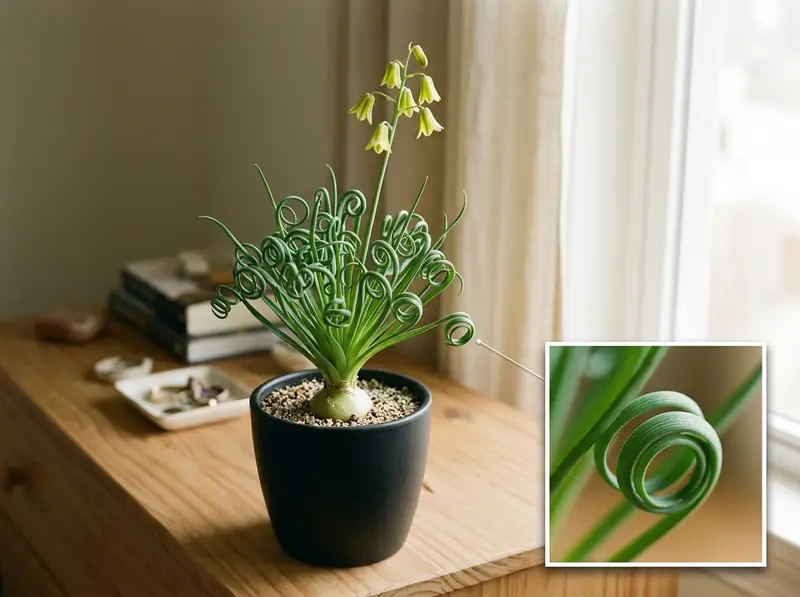 AI-generated
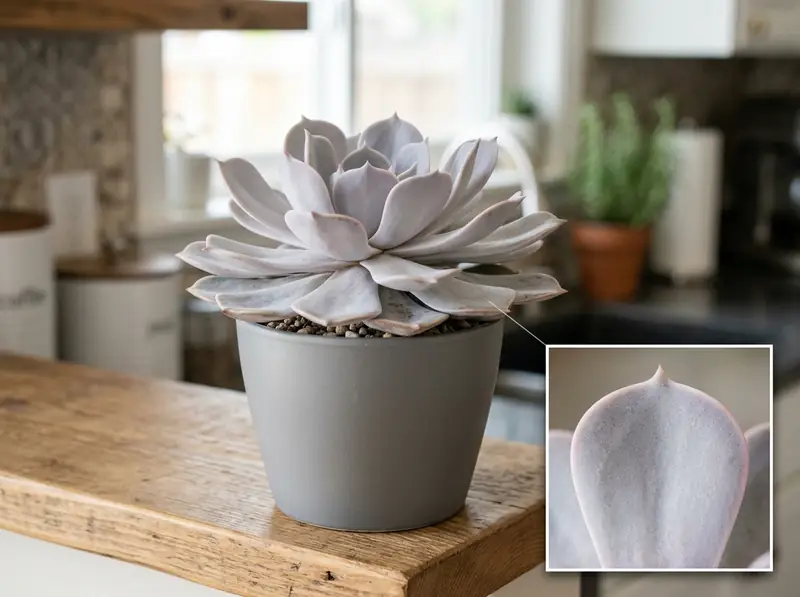 AI-generated
 AI-generated
 AI-generated