
 AI-generated
Low's Pitcher Plant
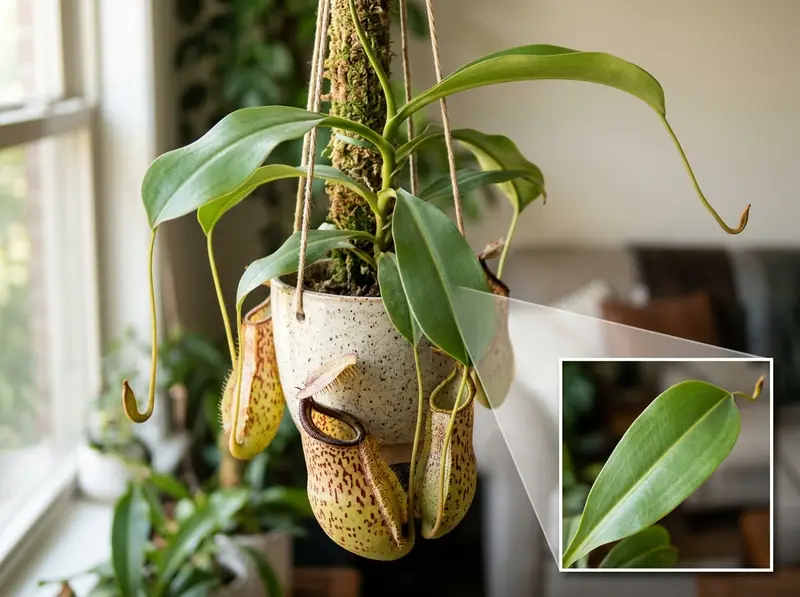
Nepenthes lowii
Nepenthes lowii is a famous highland Borneo species with squat, bulbous pitchers that have a ruffled collar and a distinctive row of spikes under the lid. It is slow and demanding, best for experienced growers with cool nights and high humidity.
Saving is free with a KinClub account, and it works here and in the KinClub app. Sign up free
Care profile
- Light
- Bright, indirect lightLow → direct sun
- Water
- Keep moistAbout every 3 days
- Difficulty
- ChallengingTricky → easy
- Coldest it tolerates
- 40°F
- Humidity
- High
- Mature size
- MediumSmall → tree-size
- Growth rate
- Slow
- How common
- RareRare → everywhere
- Plant family
- Nepenthaceae
Pets and toxicity
Cats and dogs: not yet checked
Not yet checked against ASPCA — don't assume it's safe for pets.
No toxicity source on record for this plant yet. If a pet eats any houseplant, call your vet or an animal poison helpline.
How to care for Low's Pitcher Plant
Light
Bright indirect light such as a cool east window, or 12 hours under a strong grow light. Avoid hot direct sun, which scorches the leaves.
Watering
Keep media consistently damp, watering roughly every 3 to 4 days with cool water. Water with rain, distilled, or reverse-osmosis water only, because minerals in tap water build up and brown the leaf tips.
Soil
Use a nutrient-poor, airy mix: long-fiber sphagnum moss with about a third perlite or orchid bark. Avoid ordinary potting soil and added fertilizer granules, which burn the roots.
Feeding
Skip fertilizer in the pot. Once a month, mist the leaves lightly with orchid fertilizer diluted to quarter strength, or drop a few fish-food flakes or a small insect into a pitcher.
Repotting
Repot every 1 to 2 years in spring into fresh sphagnum and perlite, using a pot only 1 to 2 inches wider. Handle the fine roots gently and keep the plant in the shade for a week afterward.
Propagation
Take 3 to 4 inch stem cuttings with at least two leaves, dip in rooting hormone, and root in damp sphagnum under a clear dome. Expect 6 to 12 weeks, and a rooted cutting sulks for a while.
Common problems
- Slow, stalled growth in warm rooms; give nights in the low 50s to 60s F.
- Aerial pitchers do not form without high humidity and good light; run a humidifier near 70 percent.
- Rot at the roots comes from dense media or standing water; use a very airy sphagnum and perlite mix.
Similar plants
Same light needs and difficulty.
 AI-generated
 AI-generated
 AI-generated
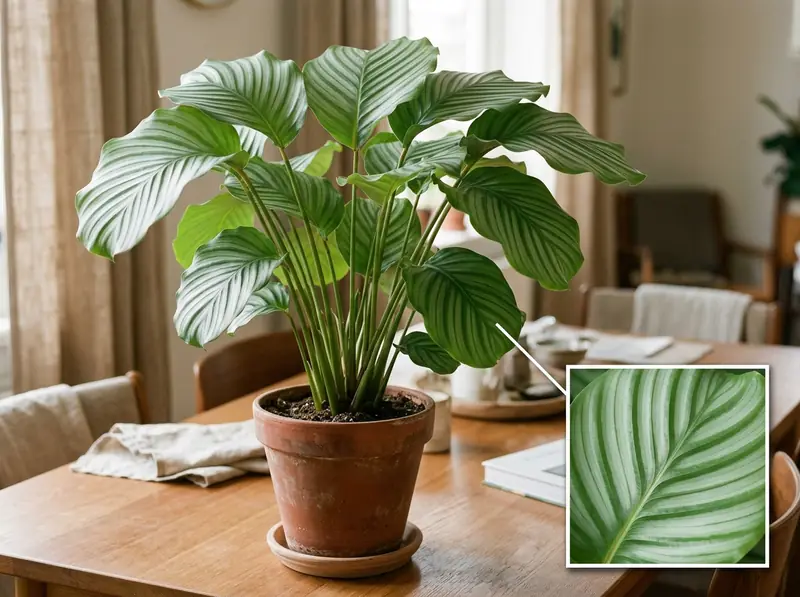 AI-generated
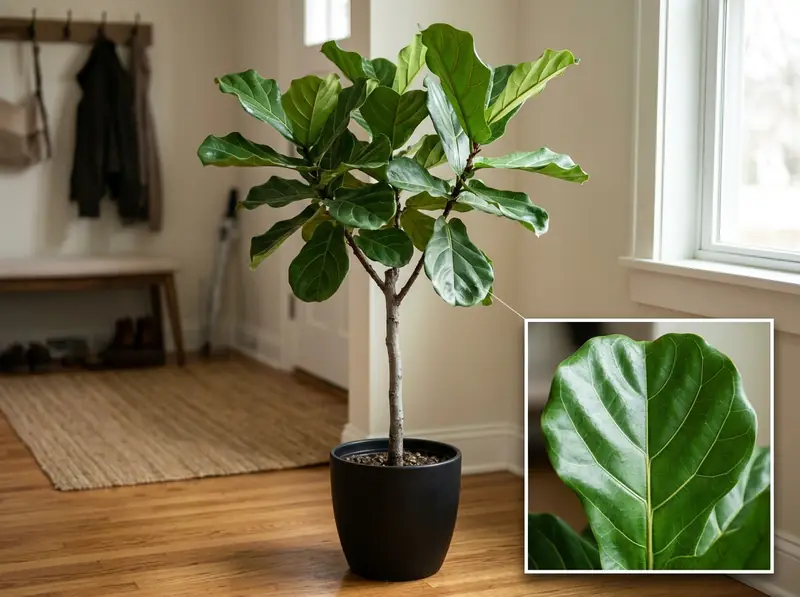
Calathea Orbifolia
Goeppertia orbifolia
- Medium to bright, indirect light
- Keep moist
Pets: not yet checked