
 AI-generated
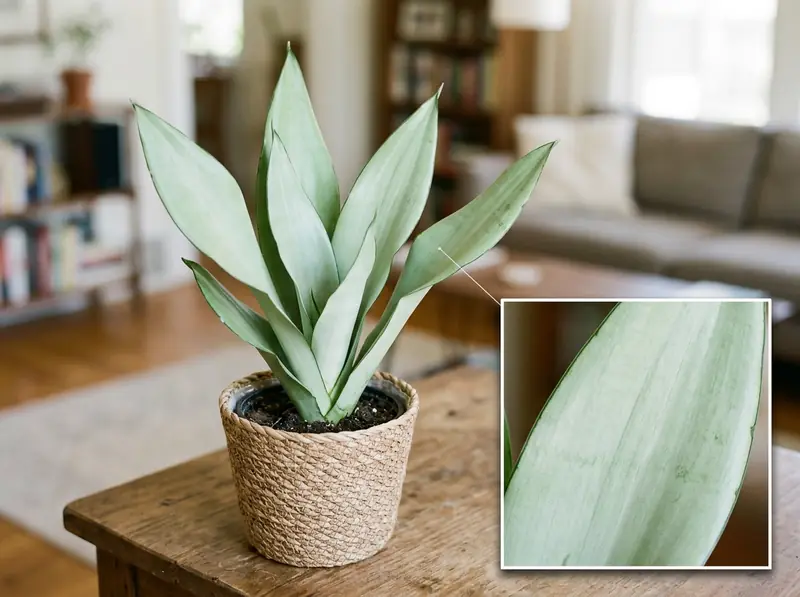
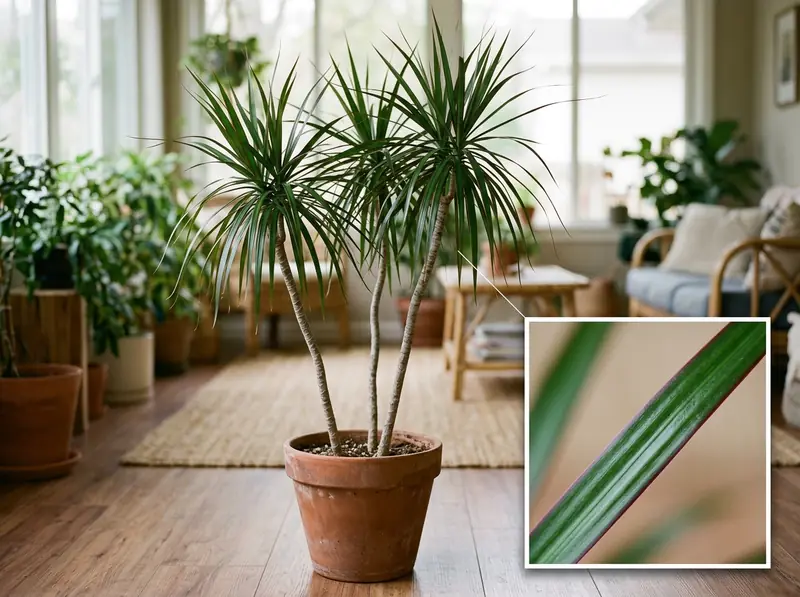
Moonshine Snake Plant
Dracaena trifasciata 'Moonshine'
Moonshine is a compact snake plant with broad, upright leaves in a pale silvery-green that glows in a bright room. It is as forgiving as other snake plants and needs water only every 2 to 3 weeks, but it keeps its best color in medium to bright indirect light and grows slowly.
Saving is free with a KinClub account, and it works here and in the KinClub app. Sign up free
Care profile
- Light
- Medium to bright, indirect lightLow → direct sun
- Water
- Let it dry outAbout every 18 days
- Difficulty
- EasyTricky → easy
- Coldest it tolerates
- 50°F
- Humidity
- Low
- Mature size
- MediumSmall → tree-size
- Growth rate
- Slow
- How common
- CommonRare → everywhere
- Plant family
- Asparagaceae
Pets and toxicity
Toxic to cats
Keep away from cats. Call your vet or a pet poison helpline if a cat chews it.
Toxic to dogs
Keep away from dogs. Call your vet or a pet poison helpline if a dog chews it.
Source: ASPCA toxic and non-toxic plants. If a pet eats any houseplant, call your vet or an animal poison helpline.
How to care for Moonshine Snake Plant
Light
Does best in medium to bright indirect light, and a spot a few feet from an east or south window suits it well. It tolerates low light, but the pale silvery color turns darker green and growth slows; protect it from hot afternoon sun, which can scorch the pale leaves.
Watering
Water thoroughly, then let the soil dry out completely, about every 2 to 3 weeks in summer. In winter or low light, water only every 4 to 6 weeks, or when the pot feels light.
Soil
Use a gritty, fast-draining mix such as cactus and succulent soil, with extra perlite or coarse sand. Choose a pot with drainage holes; unglazed terracotta helps the soil dry faster.
Feeding
Feed with a balanced houseplant fertilizer at half strength about once a month in spring and summer. Do not feed in fall and winter.
Repotting
Repot only every 2 to 4 years, when roots crowd the pot or push it out of shape. Go up just 1 to 2 inches in pot size, and use a heavy pot because the plant gets top-heavy.
Propagation
Divide the plant at the roots, separating pups that have their own roots, and pot each one in gritty mix. You can also cut a leaf into 2 to 3 inch sections, let them callus for a few days, and root them in soil or water, though division is the most reliable way to keep the true silvery color.
Common problems
- Mushy, yellowing leaves at the base: this is rot from overwatering. Unpot, cut away soft roots and leaves, and repot in dry gritty mix.
- Brown, crispy leaf tips: usually from long drought or fluoride in the water. Water deeply when dry and trim the tips.
- Leaves leaning or flopping: often from low light or overwatering. Move to brighter light and water less.
- Cottony white clusters between leaves: mealybugs. Dab with cotton swabs dipped in rubbing alcohol and repeat weekly.
Similar plants
Same light needs and difficulty.
 AI-generated
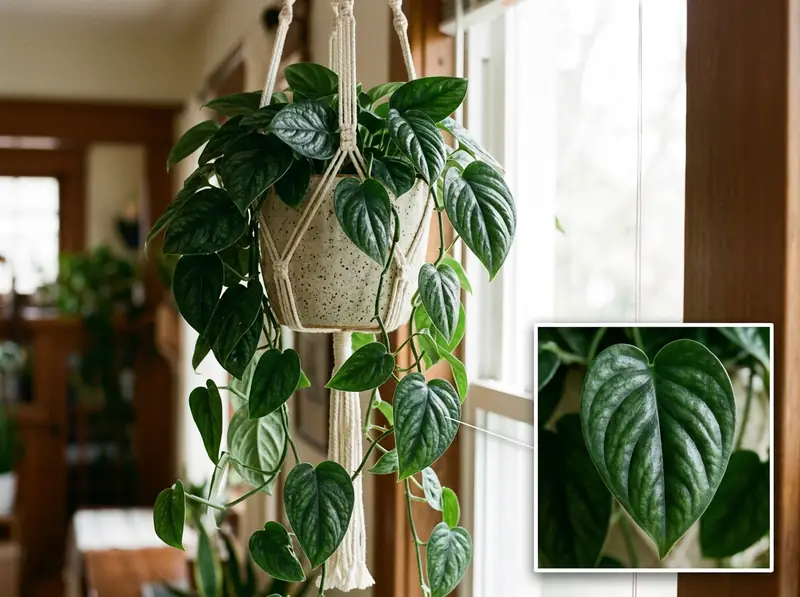
Lucens Scindapsus
Scindapsus lucens
- Medium to bright, indirect light
- Moderate watering
Toxic to cats and dogs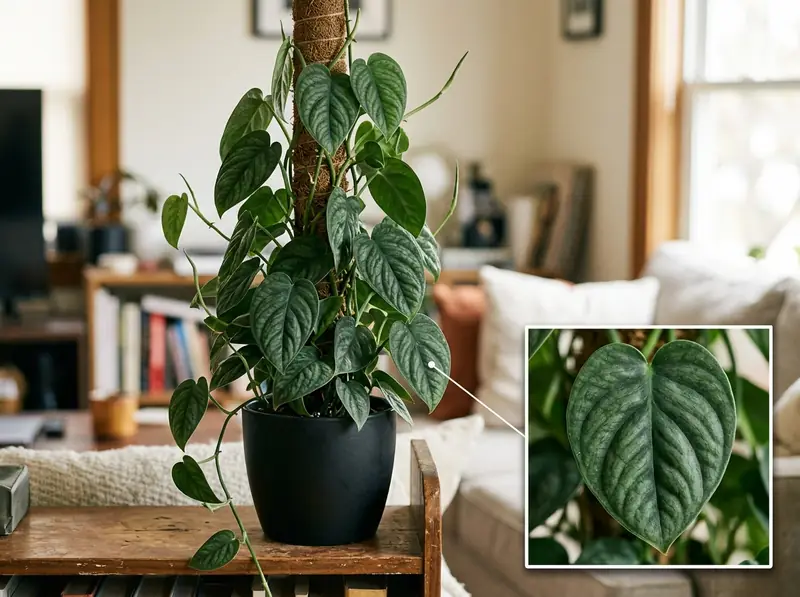 AI-generated
Mayari Scindapsus
Scindapsus mayari
- Medium to bright, indirect light
- Dry to moderate watering
Toxic to cats and dogs AI-generated
 AI-generated