
 AI-generated
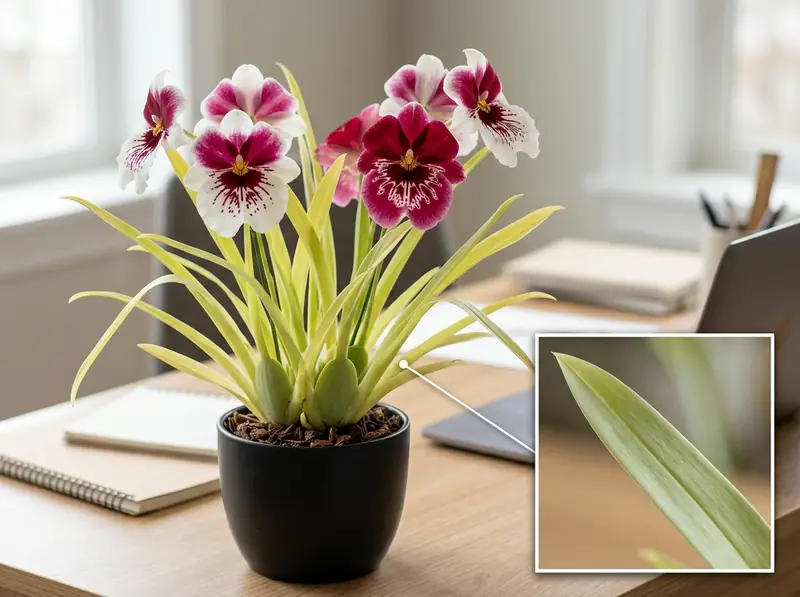
Pansy Orchid
Miltoniopsis hybrids
Pansy orchids are known for flat, velvety, pansy-like flowers with a sweet scent, and they're more cool-loving and moisture-loving than common Phalaenopsis. They do best in bright but filtered light, evenly moist fresh mix, and humid, moderate temperatures, making them a challenge for beginners.
Saving is free with a KinClub account, and it works here and in the KinClub app. Sign up free
Care profile
- Light
- Bright, indirect lightLow → direct sun
- Water
- Keep moistAbout every 6 days
- Difficulty
- ChallengingTricky → easy
- Coldest it tolerates
- 50°F
- Humidity
- High
- Mature size
- SmallSmall → tree-size
- Growth rate
- Slow to moderate
- How common
- CommonRare → everywhere
- Plant family
- Orchidaceae
Pets and toxicity
Cats and dogs: not yet checked
Not yet checked against ASPCA — don't assume it's safe for pets.
No toxicity source on record for this plant yet. If a pet eats any houseplant, call your vet or an animal poison helpline.
How to care for Pansy Orchid
Light
Give bright, filtered light such as an east window or a shaded south or west window. Leaves should be light, yellowish-green; avoid direct midday sun, which scorches them.
Watering
Keep the mix lightly and evenly moist, never soggy or bone dry, typically watering every 5-7 days. Use rainwater, distilled, or low-mineral water, and water in the morning so the foliage dries by night.
Soil
Use a fine-grade epiphytic orchid mix of small fir bark, perlite, and some sphagnum moss or tree fern that holds moisture but drains fast. Use a small pot with drainage holes.
Feeding
Feed with a balanced orchid fertilizer at quarter to half strength every 1-2 weeks while growing. Flush the pot with plain water monthly to prevent salt buildup.
Repotting
Repot every 1-2 years right after flowering, or when the mix breaks down, since pansy orchids dislike old, sour mix. Choose a pot only slightly larger and trim dead roots.
Propagation
Divide large clumps after flowering, keeping at least 3 pseudobulbs in each division. Propagation is slow, and growing from seed needs lab conditions.
Common problems
- Pleated, accordion-like new leaves: the roots have dried out or been damaged. Keep the mix evenly moist and use low-mineral water.
- Buds drop or fail to open: caused by dry air, drafts, or heat above about 80°F. Keep humidity at 50-60% and the plant in a cooler, stable spot.
- Brown leaf tips: mineral salt buildup or low humidity. Flush the mix monthly and use a humidity tray or humidifier.
- Root rot: from old, soggy mix. Repot into fresh fine bark mix and trim any mushy roots.
Similar plants
Same light needs and difficulty.
 AI-generated
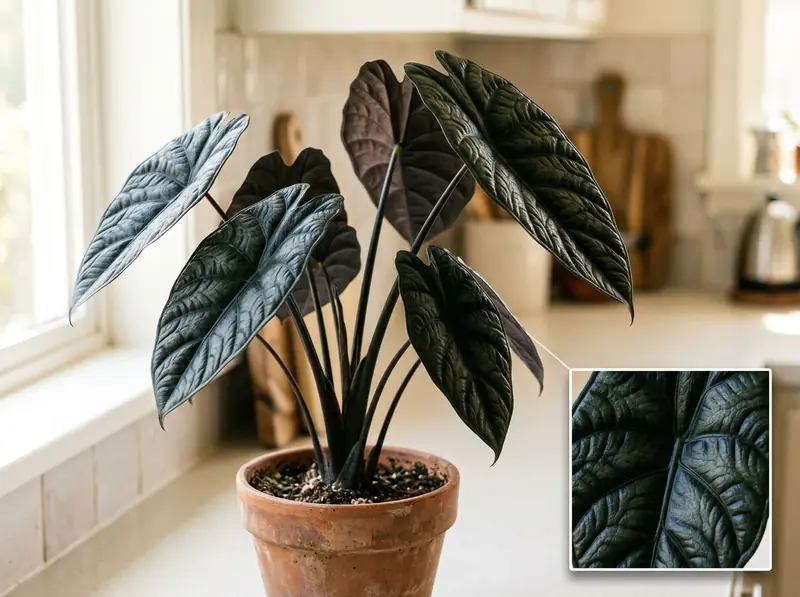
Infernalis Alocasia
Alocasia infernalis
- Bright, indirect light
- Moderate to moist watering
Toxic to cats and dogs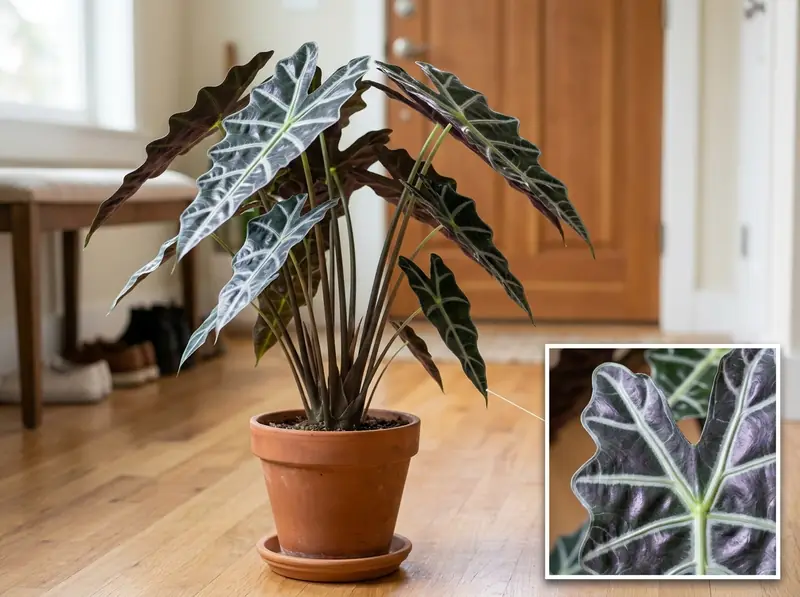 AI-generated
Kris Plant
Alocasia sanderiana
- Bright, indirect light
- Moderate to moist watering
Toxic to cats and dogs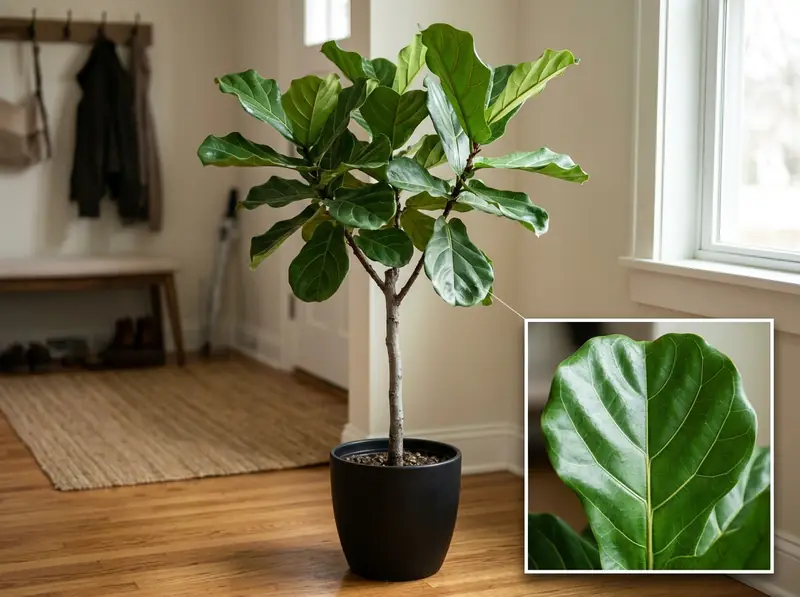 AI-generated
 AI-generated
Calathea Orbifolia
Goeppertia orbifolia
- Medium to bright, indirect light
- Keep moist
Pets: not yet checked