
 AI-generated
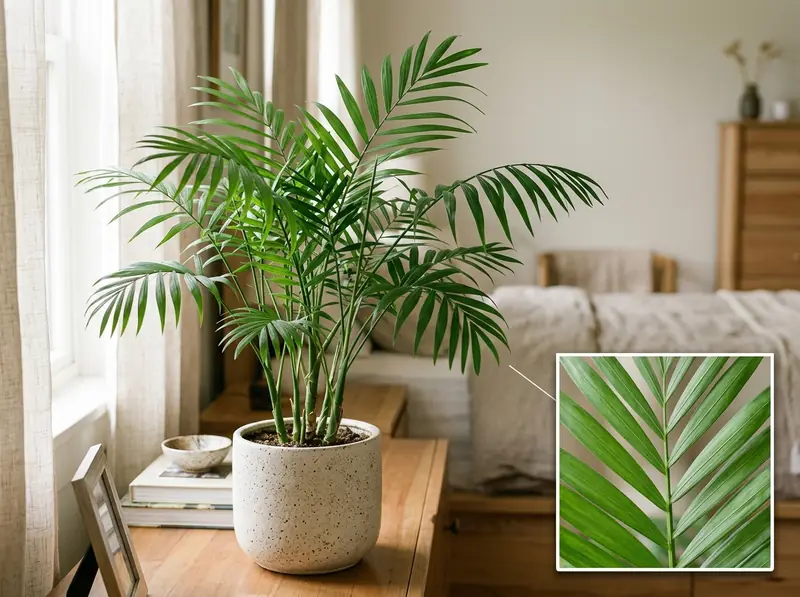
Parlor Palm
Chamaedorea elegans
Also known as Bamboo Palm, Miniature Fish Tail Dwarf Palm, Good Luck Palm, Collinia Elegans, Dwarf Palm, Miniature Fish Tail, Neanthe Bella Palm, Neanthebella, Reed Palm
Parlor palm is a compact, slow-growing palm that suits beginners and does well in low to medium light. Water it when the top inch of soil is dry, keep it out of direct sun, and it will stay attractive for years on a table or the floor.
Saving is free with a KinClub account, and it works here and in the KinClub app. Sign up free
Care profile
- Light
- Low lightLow → direct sun
- Water
- Moderate wateringAbout every 10 days
- Difficulty
- EasyTricky → easy
- Coldest it tolerates
- 50°F
- Humidity
- Medium
- Mature size
- Medium to largeSmall → tree-size
- Growth rate
- Slow
- How common
- EverywhereRare → everywhere
- Plant family
- Arecaceae
Pets and toxicity
Non-toxic to cats
Listed as non-toxic to cats by the ASPCA.
Non-toxic to dogs
Listed as non-toxic to dogs by the ASPCA.
Source: ASPCA toxic and non-toxic plants. If a pet eats any houseplant, call your vet or an animal poison helpline.
How to care for Parlor Palm
Light
Does best in medium to bright indirect light but tolerates a dim room well. Keep it out of direct sun, which scorches the fronds.
Watering
Water when the top inch of soil feels dry, about every 7 to 12 days in the growing season, until water drains out. Empty the saucer and water less in winter.
Soil
Use a peat-based or coco-based indoor potting mix with added perlite for good drainage. The pot must have drainage holes.
Feeding
Feed monthly in spring and summer with a balanced liquid houseplant fertilizer diluted to half strength. Skip feeding in fall and winter.
Repotting
Repot only every 2 to 3 years, when roots fill the pot, moving up one pot size. It likes being slightly snug and dislikes root disturbance.
Propagation
Grown from seed, which is slow and difficult at home. Mature clumps can sometimes be divided in spring, but this risks damaging the roots, so most people buy new plants.
Common problems
- Brown leaf tips: caused by dry air or mineral buildup in tap water. Use filtered water, flush the soil occasionally, and trim the brown tips with clean scissors.
- Yellowing lower fronds: often from overwatering or poor drainage. Let the soil dry more between waterings and check the drainage holes.
- Fine webbing and stippled leaves: spider mites. Rinse the fronds in the shower and wipe the undersides, repeating weekly until they are gone.
- Pale, bleached fronds: too much direct sun. Move the plant to a spot with filtered light.
Similar plants
Same light needs and difficulty.
 AI-generated
 AI-generated
 AI-generated
 AI-generated
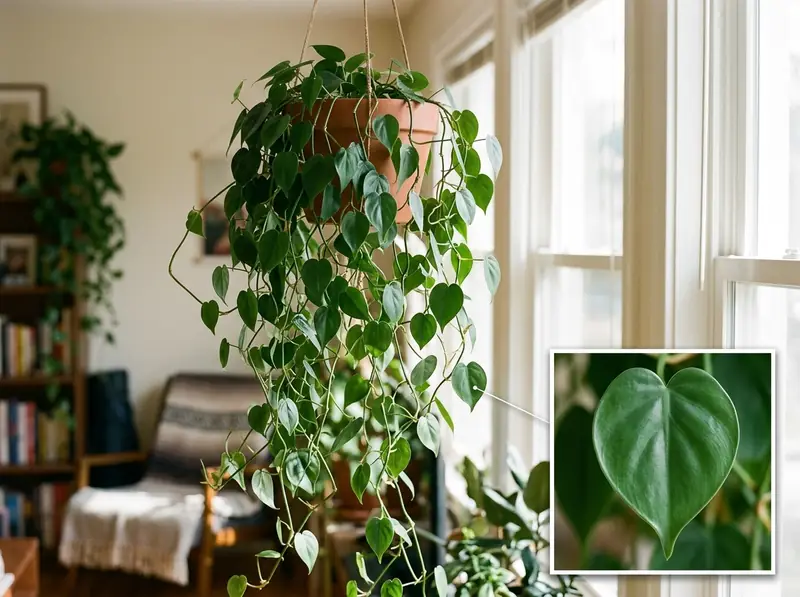
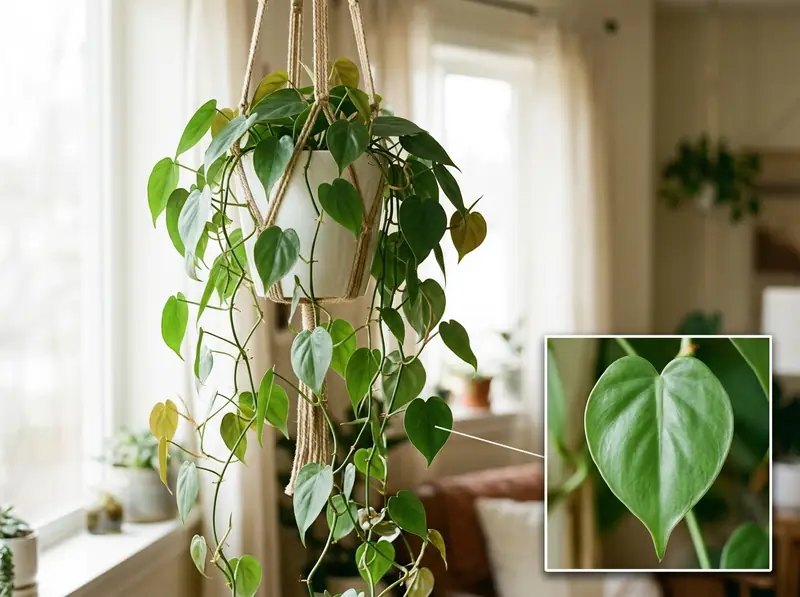
Heartleaf Philodendron
Philodendron hederaceum
- Low to medium light
- Moderate watering
Toxic to cats and dogs