
 AI-generated
Philodendron Brasil
Philodendron 'Brasil'
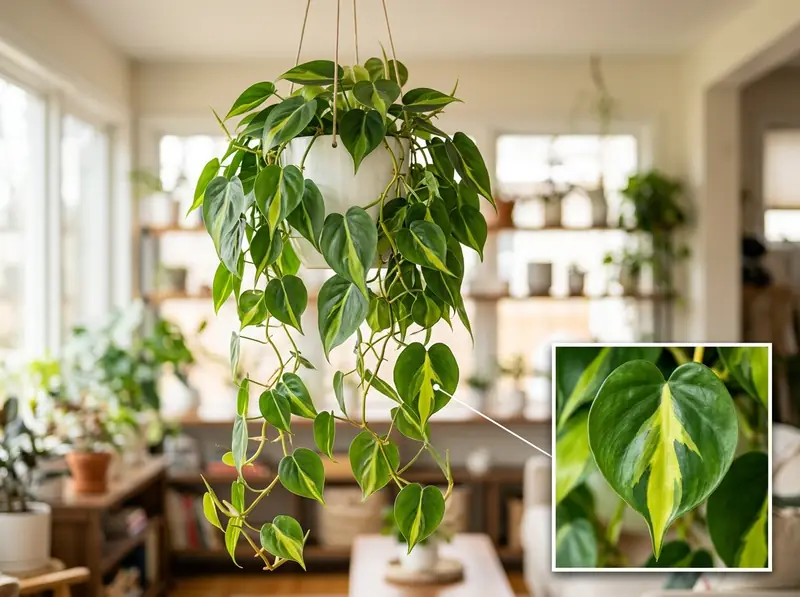
Philodendron 'Brasil' is a fast-growing trailing vine with heart-shaped green leaves streaked with lime-yellow. It is forgiving and does well in a hanging basket or on a high shelf in bright, indirect light. Water when the top inch or two of soil is dry and trim it now and then to keep it full.
Saving is free with a KinClub account, and it works here and in the KinClub app. Sign up free
Care profile
- Light
- Bright, indirect lightLow → direct sun
- Water
- Moderate wateringAbout every 7 days
- Difficulty
- EasyTricky → easy
- Coldest it tolerates
- 55°F
- Humidity
- Medium
- Mature size
- Medium to largeSmall → tree-size
- Growth rate
- Fast
- How common
- Very commonRare → everywhere
Pets and toxicity
Toxic to cats
Keep away from cats. Call your vet or a pet poison helpline if a cat chews it.
Toxic to dogs
Keep away from dogs. Call your vet or a pet poison helpline if a dog chews it.
Source: ASPCA toxic and non-toxic plants. If a pet eats any houseplant, call your vet or an animal poison helpline.
How to care for Philodendron Brasil
Light
Give it bright, indirect light, such as a few feet from an east or south window or right beside a north window. It tolerates medium light, but the yellow-green variegation is strongest in brighter spots. Avoid hot midday sun.
Watering
Water when the top 1–2 inches of soil feel dry, usually about every 7–10 days in the growing season and less often in winter. Water thoroughly until it drains from the bottom, then empty the saucer.
Soil
Use a well-draining, peat- or coir-based potting mix. Mixing in about a quarter perlite or orchid bark keeps the roots aerated. The pot must have drainage holes.
Feeding
Feed every 4–6 weeks from spring to early fall with a balanced liquid houseplant fertilizer at half the label strength. Skip feeding in winter.
Repotting
Repot every 1–2 years in spring, or when roots circle the pot or grow out of the drainage holes. Go up only one pot size, about 1–2 inches wider.
Propagation
Cut a stem below a node with 2–3 leaves and put it in water or moist mix. Roots usually form in 2–4 weeks. Plant several cuttings together for a fuller pot.
Common problems
- Yellow lower leaves: usually overwatering or poor drainage. Let the soil dry more between waterings and check the drainage holes.
- Leggy growth with small leaves: light is too low. Move it somewhere brighter and trim back long vines.
- Brown crispy leaf edges: soil is drying out too much or the air is very dry. Water more regularly and keep it away from heaters and vents.
- Loss of variegation or all-green new leaves: not enough light. Move it to brighter indirect light.
- Sticky residue, fine webbing or white fluff on the leaves: sap-sucking pests. Wipe the leaves, rinse the plant, and treat with insecticidal soap weekly until clear.
Similar plants
Same light needs and difficulty.
 AI-generated
Tricolor Air Plant
Tillandsia tricolor
- Bright, indirect light
- Dry to moderate watering
Pets: not yet checked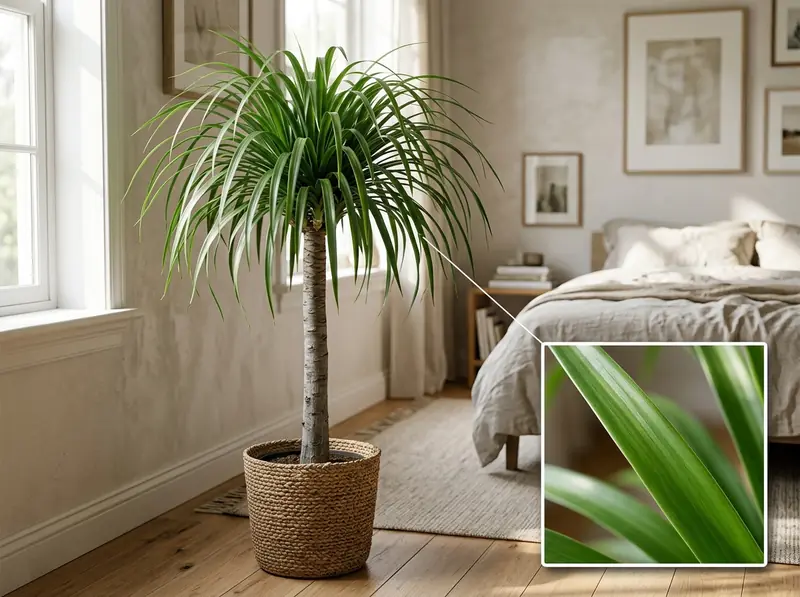 AI-generated
Umbrella Dracaena
Dracaena umbraculifera
- Medium to bright, indirect light
- Moderate watering
Toxic to cats and dogs AI-generated
Chinese Money Plant
Pilea peperomioides
- Bright, indirect light
- Dry to moderate watering
Pets: not yet checked AI-generated
Christmas Cactus
Schlumbergera × buckleyi
- Bright, indirect light
- Moderate watering
Pets: not yet checked