
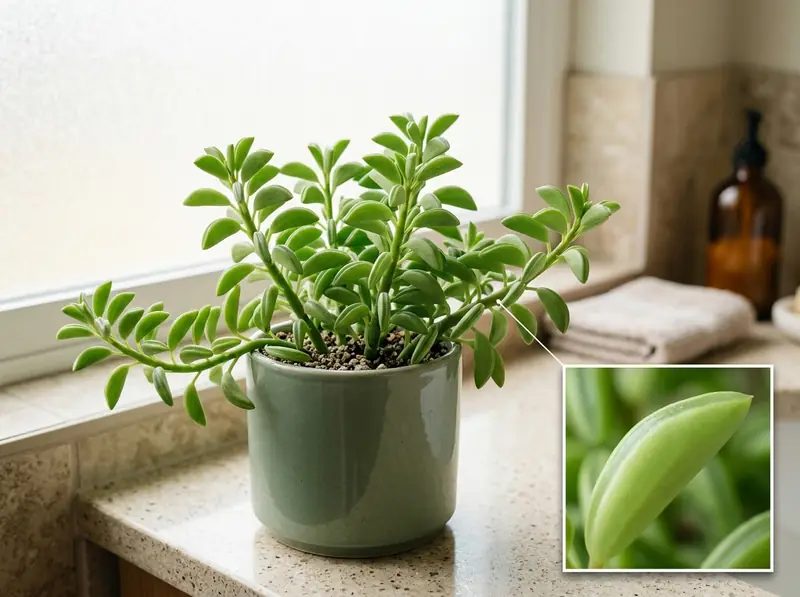
 AI-generated
Prayer Peperomia
Peperomia dolabriformis
Prayer peperomia is a small, slow-growing succulent-like plant with fleshy, folded leaves shaped like hands in prayer. It is easy as long as you give it bright light, gritty soil and infrequent watering. Its stems start upright and then arch or trail over the pot as they lengthen.
Saving is free with a KinClub account, and it works here and in the KinClub app. Sign up free
Care profile
- Light
- Bright, indirect lightLow → direct sun
- Water
- Let it dry outAbout every 14 days
- Difficulty
- EasyTricky → easy
- Coldest it tolerates
- 50°F
- Humidity
- Low
- Mature size
- SmallSmall → tree-size
- Growth rate
- Slow
- How common
- CommonRare → everywhere
- Plant family
- Piperaceae
Pets and toxicity
Cats and dogs: not yet checked
Not yet checked against ASPCA — don't assume it's safe for pets.
No toxicity source on record for this plant yet. If a pet eats any houseplant, call your vet or an animal poison helpline.
How to care for Prayer Peperomia
Light
Give it bright, indirect light, such as a spot near an east or bright west window. A little gentle direct morning sun is fine, but avoid hot midday sun.
Watering
Water thoroughly, then let the soil dry out almost completely before watering again, usually every 10 to 14 days in summer. Water less often in winter, about every 3 to 4 weeks.
Soil
Use a gritty, fast-draining mix, such as cactus mix with about one-third perlite or pumice added. Always use a pot with drainage holes.
Feeding
Feed with a balanced houseplant fertilizer diluted to half strength about once a month in spring and summer. Do not feed in fall and winter.
Repotting
Repot only every 2 to 3 years, in spring, when roots fill the pot. Choose a pot only 1 to 2 inches wider, since it has a small root system and likes to be snug.
Propagation
Take stem cuttings about 3 inches long, or pull off single leaves with a bit of stem. Let them callus for a day, then root in damp gritty mix or water in bright light.
Common problems
- Mushy stems and yellowing leaves mean overwatering or root rot; unpot, cut off rotted roots, and repot in dry gritty mix.
- Wrinkled, limp leaves mean the soil is too dry; give a thorough soak and the leaves should plump up within a few days.
- Cottony white spots in leaf folds are mealybugs; dab them with rubbing alcohol on a cotton swab and repeat weekly.
- Leggy growth with small leaves points to too little light; move it to a brighter window.
Similar plants
Same light needs and difficulty.
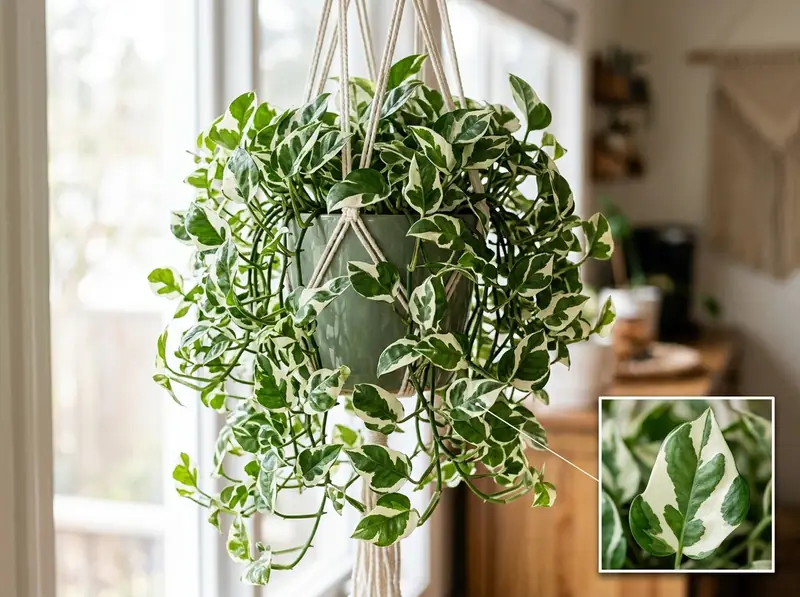 AI-generated
N'Joy Pothos
Epipremnum aureum 'N'Joy'
- Bright, indirect light
- Dry to moderate watering
Pets: not yet checked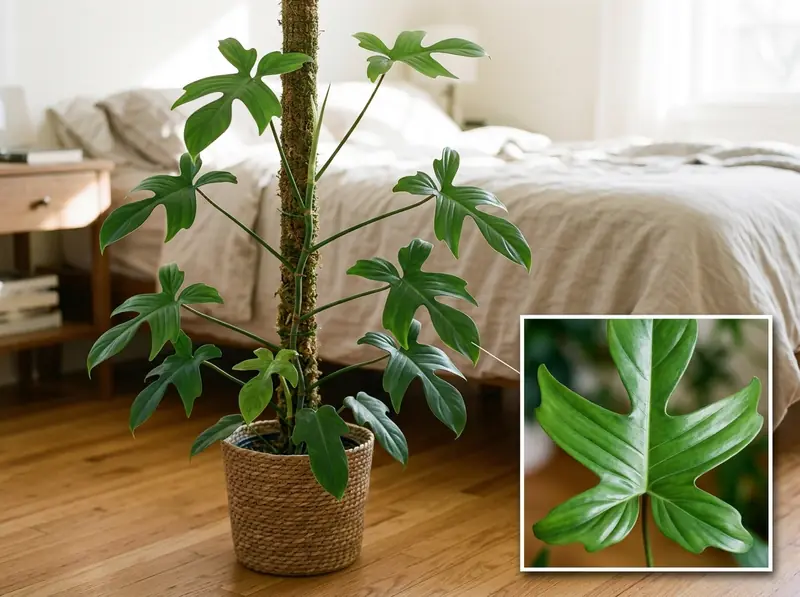 AI-generated
Oak Leaf Philodendron
Philodendron pedatum
- Bright, indirect light
- Moderate watering
Toxic to cats and dogs AI-generated
Chinese Money Plant
Pilea peperomioides
- Bright, indirect light
- Dry to moderate watering
Pets: not yet checked AI-generated
Christmas Cactus
Schlumbergera × buckleyi
- Bright, indirect light
- Moderate watering
Pets: not yet checked