
 AI-generated
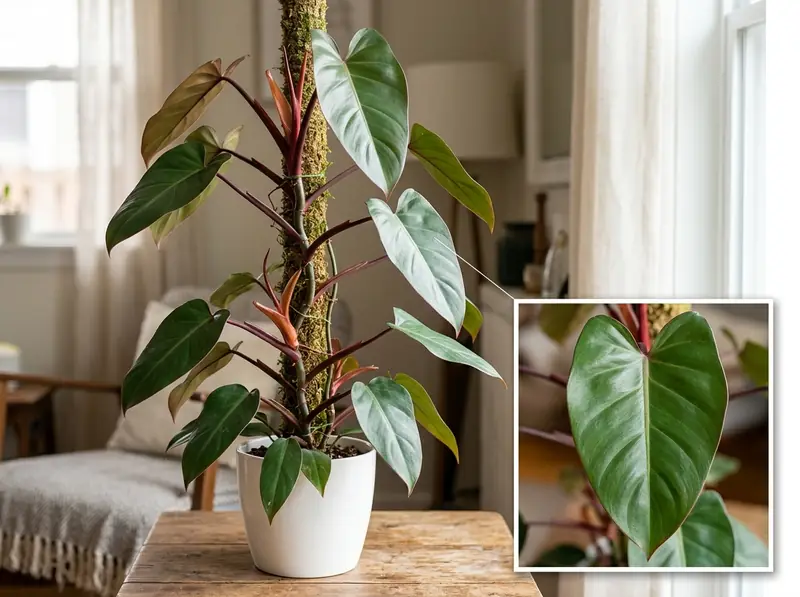
Red Emerald Philodendron
Philodendron 'Red Emerald'
Red Emerald Philodendron is a climbing aroid with glossy, heart-shaped green leaves and red-tinged stems and leaf bases. It is easy to grow in bright indirect light with watering when the top couple of inches of soil are dry. Give it a moss pole to climb for bigger, fuller leaves.
Saving is free with a KinClub account, and it works here and in the KinClub app. Sign up free
Care profile
- Light
- Bright, indirect lightLow → direct sun
- Water
- Moderate wateringAbout every 8 days
- Difficulty
- EasyTricky → easy
- Coldest it tolerates
- 55°F
- Humidity
- Medium
- Mature size
- LargeSmall → tree-size
- Growth rate
- Moderate to fast
- How common
- EnthusiastRare → everywhere
Pets and toxicity
Toxic to cats
Keep away from cats. Call your vet or a pet poison helpline if a cat chews it.
Toxic to dogs
Keep away from dogs. Call your vet or a pet poison helpline if a dog chews it.
Source: ASPCA toxic and non-toxic plants. If a pet eats any houseplant, call your vet or an animal poison helpline.
How to care for Red Emerald Philodendron
Light
Bright indirect light suits it best, such as a spot a few feet from an east or lightly shaded south or west window. It tolerates medium light but grows more slowly and leggier.
Watering
Water thoroughly when the top 1–2 inches of soil feel dry, usually every 7–10 days in the growing season. Let excess drain away and water less often in winter.
Soil
Use a chunky, well-draining aroid mix, for example standard potting soil with about one-third perlite and some bark. The pot must have drainage holes.
Feeding
Feed monthly from spring to early autumn with a balanced liquid houseplant fertilizer at half the label strength. Stop or cut back in winter.
Repotting
Repot every 1–2 years in spring when roots circle the pot or poke out of the drainage holes. Move up only 1–2 inches in pot diameter.
Propagation
Take a stem cutting with at least one node and a leaf, and root it in water or moist potting mix. Roots usually form in 2–4 weeks in a warm spot.
Common problems
- Yellow lower leaves: usually overwatering, so let the soil dry more between waterings and check that the pot drains.
- Brown crispy leaf edges: dry air or underwatering, so water more consistently and move away from heaters or vents.
- Leggy growth with small leaves: too little light or no support, so move it brighter and add a moss pole.
- Cottony white bits or fine webbing on leaves: mealybugs or spider mites, so wipe leaves with soapy water or rubbing alcohol and repeat weekly.
Similar plants
Same light needs and difficulty.
 AI-generated
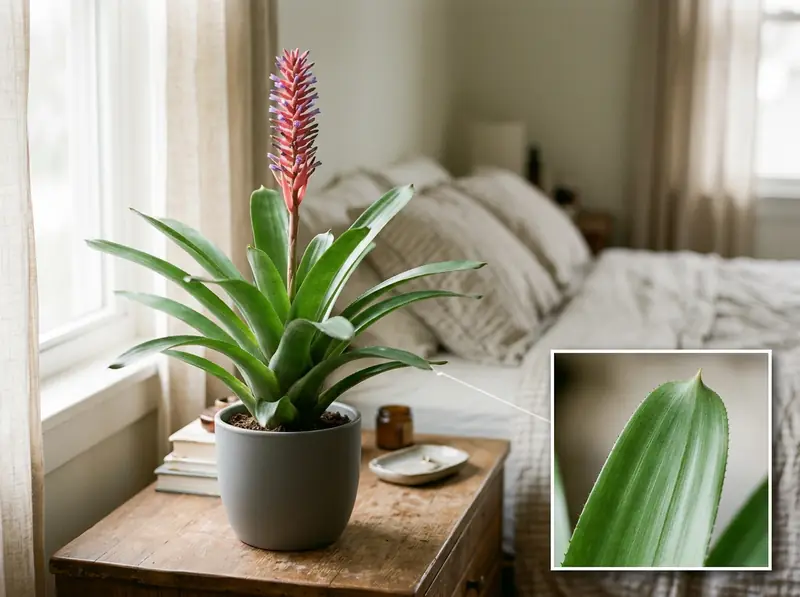
Matchstick Bromeliad
Aechmea gamosepala
- Bright, indirect light
- Dry to moderate watering
Pets: not yet checked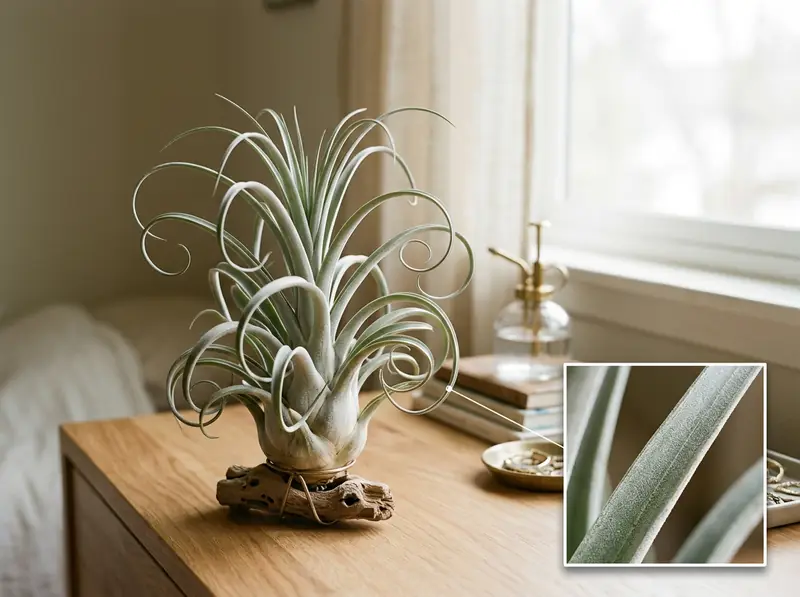 AI-generated
Medusa's Head Air Plant
Tillandsia caput-medusae
- Bright, indirect light
- Dry to moderate watering
Pets: not yet checked AI-generated
Chinese Money Plant
Pilea peperomioides
- Bright, indirect light
- Dry to moderate watering
Pets: not yet checked AI-generated
Christmas Cactus
Schlumbergera × buckleyi
- Bright, indirect light
- Moderate watering
Pets: not yet checked