
 AI-generated
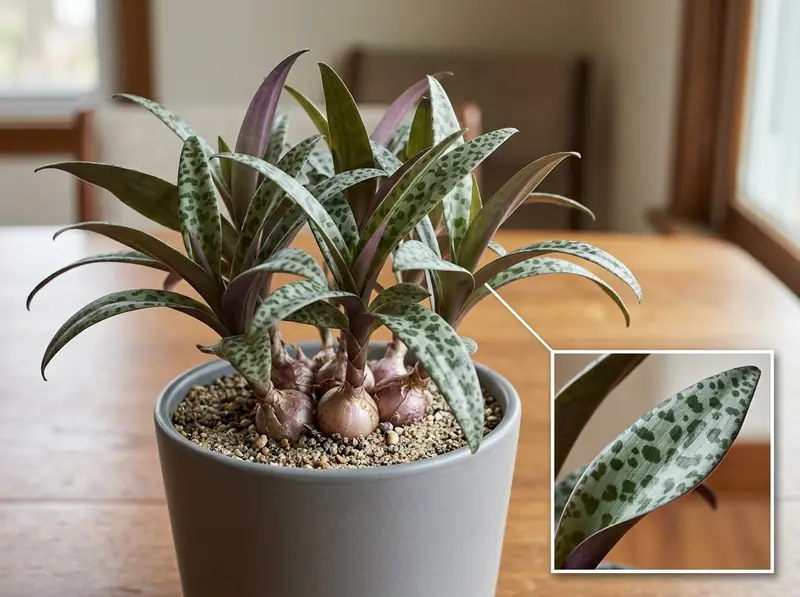
Silver Squill
Ledebouria socialis
Silver squill is a small, easy bulb plant from South Africa with silvery-green, purple-spotted leaves and bulbs that sit on top of the soil. It tolerates dry air and forgotten waterings, and it slowly forms a clump of offsets. Give it bright light and a gritty soil, and let it dry out between waterings.
Saving is free with a KinClub account, and it works here and in the KinClub app. Sign up free
Care profile
- Light
- Bright, indirect lightLow → direct sun
- Water
- Let it dry outAbout every 14 days
- Difficulty
- EasyTricky → easy
- Coldest it tolerates
- 50°F
- Humidity
- Low
- Mature size
- SmallSmall → tree-size
- Growth rate
- Moderate
- How common
- CommonRare → everywhere
- Plant family
- Asparagaceae
Pets and toxicity
Cats and dogs: not yet checked
Not yet checked against ASPCA — don't assume it's safe for pets.
No toxicity source on record for this plant yet. If a pet eats any houseplant, call your vet or an animal poison helpline.
How to care for Silver Squill
Light
Give it bright, indirect light, such as a spot near an east or south window with a sheer curtain. A few hours of gentle morning sun is fine and helps keep the leaf color strong.
Watering
Water thoroughly, then let the soil dry out almost completely before watering again, about every 2 to 3 weeks in summer. Water much less in winter, when it may go dormant and lose leaves.
Soil
Use a gritty, fast-draining mix, such as cactus and succulent soil with extra perlite or pumice. Choose a pot with drainage holes, and set the bulbs with their tops at or just above the soil line.
Feeding
Feed with a balanced houseplant fertilizer diluted to half strength about once a month in spring and summer. Skip feeding in fall and winter.
Repotting
Repot only every 2 to 3 years, when bulbs have crowded the pot. Pick a container only slightly larger, ideally a shallow, wide pot, and repot in spring.
Propagation
Separate the offset bulbs from the clump in spring and pot them up individually in gritty mix. Water lightly until new roots and leaves appear.
Common problems
- Mushy bulbs and yellow leaves: caused by overwatering. Let the soil dry out fully, cut away any rotted bulbs, and repot in fresh gritty mix.
- Long, floppy leaves: the light is too low. Move it to a brighter window.
- Leaves dying back in winter: normal semi-dormancy. Water sparingly and new growth will return in spring.
- White cottony clusters on bulbs or leaves: mealybugs. Dab them with cotton swabs dipped in rubbing alcohol and repeat weekly until gone.
Similar plants
Same light needs and difficulty.
 AI-generated
 AI-generated
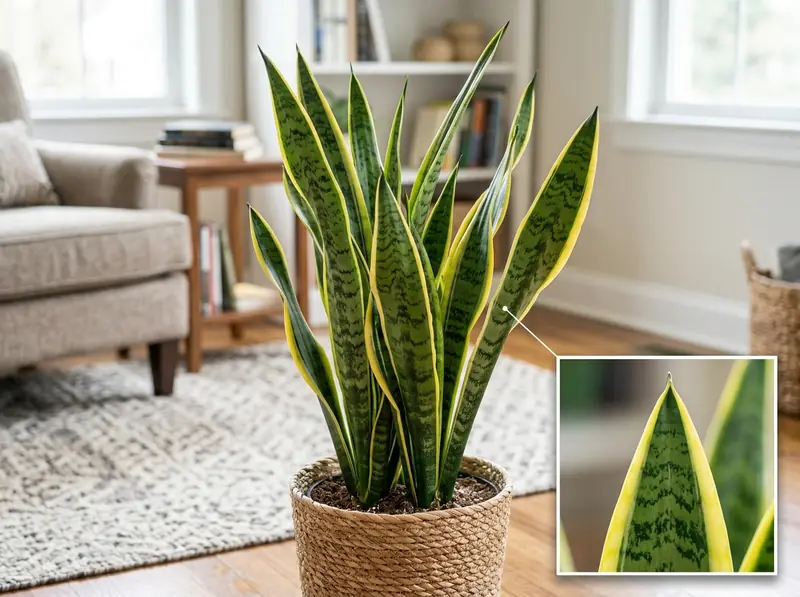
Laurentii Snake Plant
Dracaena trifasciata 'Laurentii'
- Medium to bright, indirect light
- Let it dry out
Toxic to cats and dogs AI-generated
Chinese Money Plant
Pilea peperomioides
- Bright, indirect light
- Dry to moderate watering
Pets: not yet checked AI-generated
Christmas Cactus
Schlumbergera × buckleyi
- Bright, indirect light
- Moderate watering
Pets: not yet checked