
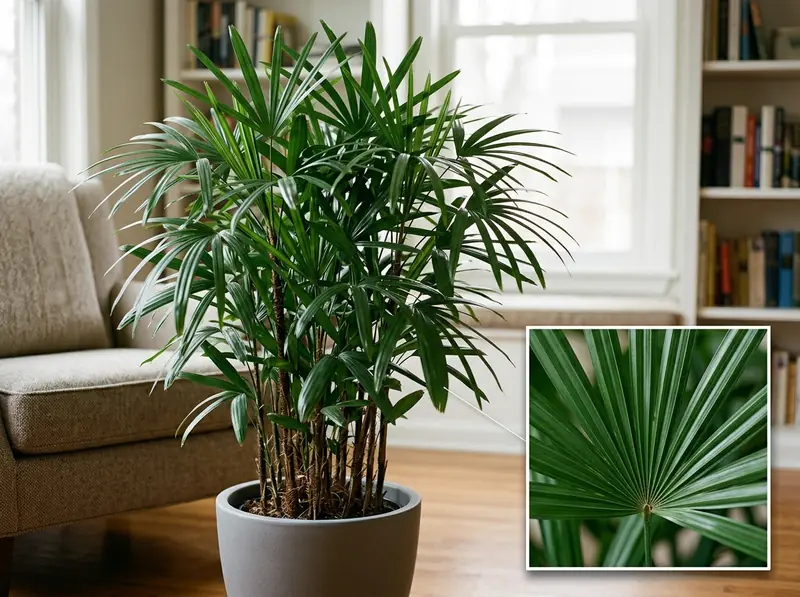
 AI-generated
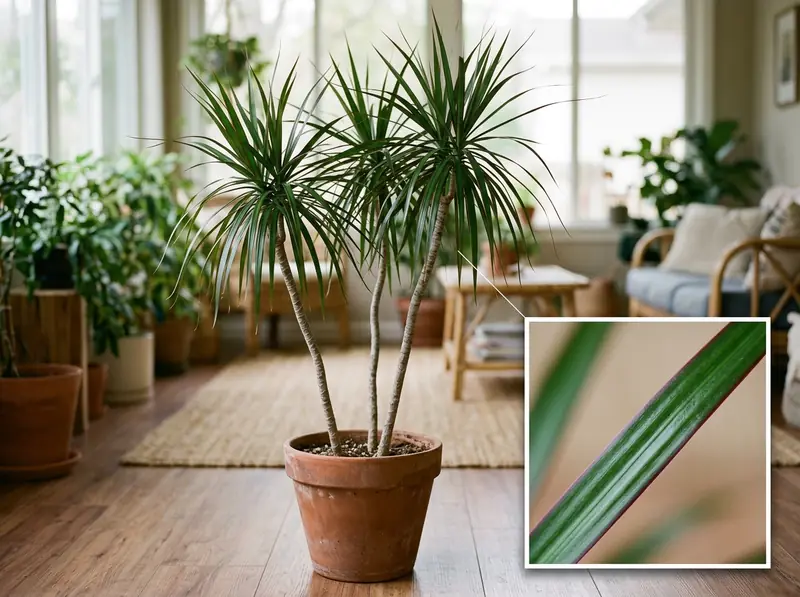
Slender Lady Palm
Rhapis humilis
Slender lady palm is a clumping palm with thin, bamboo-like canes topped with glossy, finely divided fan-shaped fronds. It is tough, tolerates lower light, and suits a floor spot in a bright to medium room. Grow it slowly in a snug pot and keep it out of direct sun.
Saving is free with a KinClub account, and it works here and in the KinClub app. Sign up free
Care profile
- Light
- Medium lightLow → direct sun
- Water
- Moderate wateringAbout every 10 days
- Difficulty
- EasyTricky → easy
- Coldest it tolerates
- 45°F
- Humidity
- Medium
- Mature size
- Large to tree-sizeSmall → tree-size
- Growth rate
- Slow
- How common
- CommonRare → everywhere
- Plant family
- Arecaceae
Pets and toxicity
Cats and dogs: not yet checked
Not yet checked against ASPCA — don't assume it's safe for pets.
No toxicity source on record for this plant yet. If a pet eats any houseplant, call your vet or an animal poison helpline.
How to care for Slender Lady Palm
Light
Give it medium to bright-indirect light, such as a few feet from an east or north window. It tolerates fairly dim rooms but grows slowly there, and direct sun scorches the fronds.
Watering
Water thoroughly when the top 1 to 2 inches of soil feel dry, roughly every 7 to 12 days in the growing season. Empty the saucer afterward, and water less often in winter.
Soil
Use an ordinary well-draining potting mix, or a palm mix with about 20 percent perlite or coarse sand added. Make sure the pot has drainage holes.
Feeding
Feed monthly from spring to late summer with a balanced liquid fertilizer at half the label strength. Do not feed in fall and winter.
Repotting
Repot only every 2 to 3 years, when roots fill the pot, going up just 2 inches in diameter. This palm likes being slightly snug, and spring is the best time.
Propagation
Divide the clump in spring by cutting through the rhizomes so that each section has several canes and roots. Keep divisions warm and evenly moist. Recovery is slow, so expect little growth for months.
Common problems
- Brown leaf tips: caused by dry air, salt build-up, or irregular watering; flush the soil, use filtered water if possible, and trim only the brown edge.
- Yellowing lower fronds: often overwatering or poor drainage; let the soil dry more between waterings and check the drainage holes.
- Spider mite webbing and stippling: common in dry, warm rooms; wipe the fronds with a damp cloth and spray with insecticidal soap every week for 3 weeks.
- Scale or mealybugs on the canes: dab with rubbing alcohol on a cotton swab and repeat weekly until gone.
Similar plants
Same light needs and difficulty.
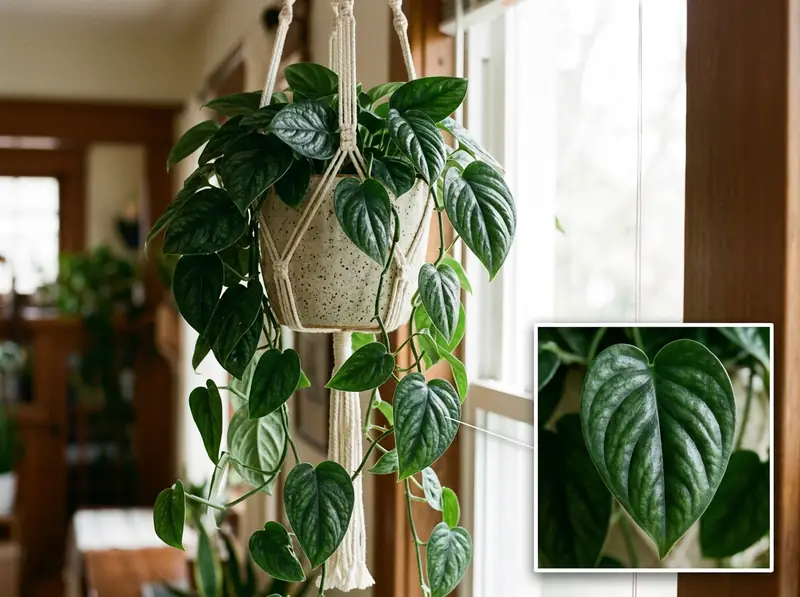 AI-generated
Lucens Scindapsus
Scindapsus lucens
- Medium to bright, indirect light
- Moderate watering
Toxic to cats and dogs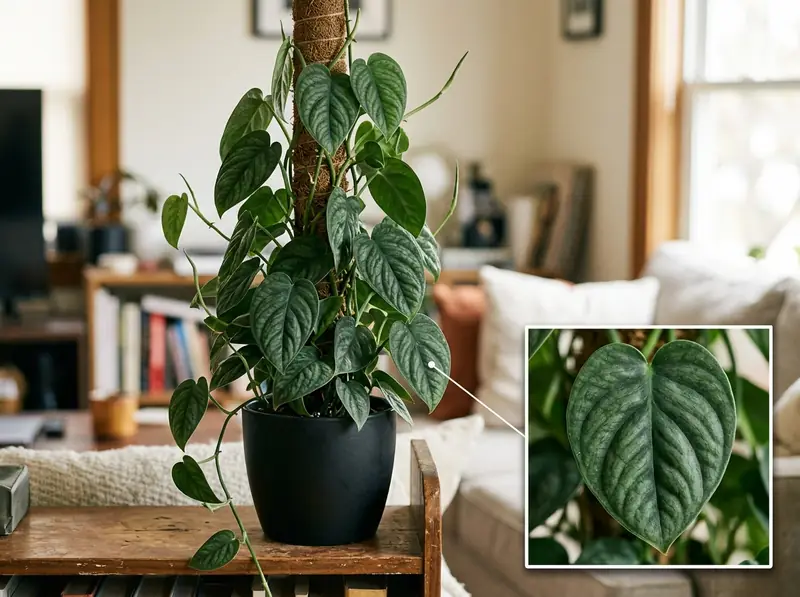 AI-generated
Mayari Scindapsus
Scindapsus mayari
- Medium to bright, indirect light
- Dry to moderate watering
Toxic to cats and dogs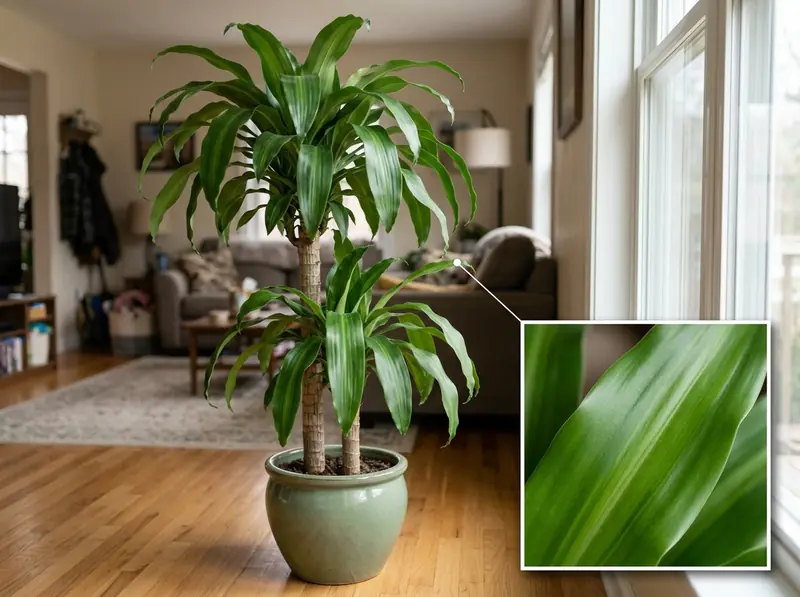 AI-generated
 AI-generated