
 AI-generated
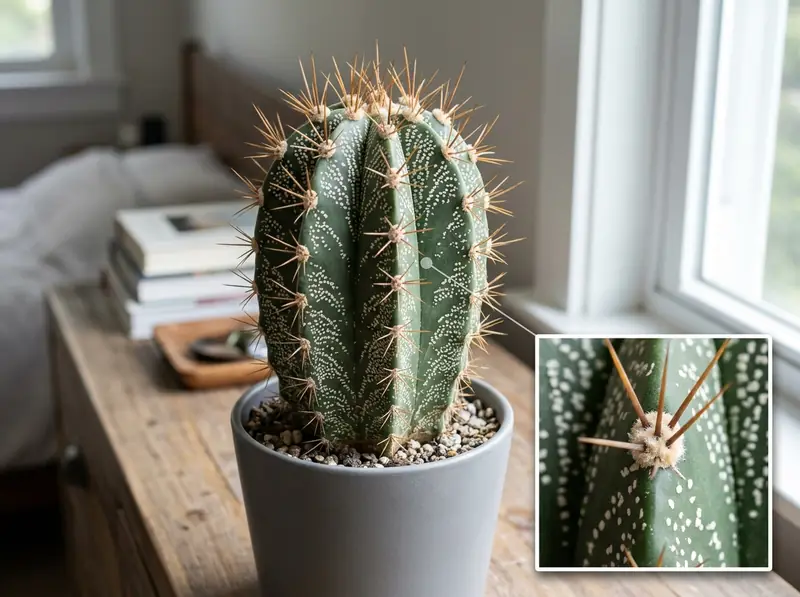
Star Cactus
Astrophytum ornatum
Star cactus is a slow-growing, spineless desert cactus with 5-8 broad ribs and white flecks. It becomes a columnar body over time and may bloom in summer with yellow flowers. It needs lots of direct sun, very gritty soil and dry winters, and rot from overwatering is the main risk.
Saving is free with a KinClub account, and it works here and in the KinClub app. Sign up free
Care profile
- Light
- Direct sunLow → direct sun
- Water
- Let it dry outAbout every 21 days
- Difficulty
- Easy to moderateTricky → easy
- Coldest it tolerates
- 45°F
- Humidity
- Low
- Mature size
- SmallSmall → tree-size
- Growth rate
- Slow
- How common
- CommonRare → everywhere
- Plant family
- Cactaceae
Pets and toxicity
Cats and dogs: not yet checked
Not yet checked against ASPCA — don't assume it's safe for pets.
No toxicity source on record for this plant yet. If a pet eats any houseplant, call your vet or an animal poison helpline.
How to care for Star Cactus
Light
Give it several hours of direct sun daily, such as an unobstructed south or west window. Move it to full sun gradually over a couple of weeks to avoid sunburn.
Watering
From spring to early autumn, soak the soil thoroughly, then wait until it is completely dry, about every 2-4 weeks. Water only at the soil and let excess drain fully. In winter, stop watering.
Soil
Use a gritty cactus mix with extra pumice or coarse sand, roughly half mineral grit. Use a terracotta pot with a drainage hole.
Feeding
Feed 2-3 times during the growing season with a low-nitrogen cactus fertilizer diluted to half strength. Do not feed in autumn or winter.
Repotting
Repot every 2-3 years in spring, only when the plant has filled its pot, into a pot just 1 inch wider. Let the roots dry for a week before watering.
Propagation
Grown from seed, which is slow; it does not produce pups or root from cuttings readily. Sow on gritty mix in warm, bright conditions and keep just barely damp.
Common problems
- Mushy base from rot: stop watering, and if the firm tissue is healthy, cut above the rot, dry the cut for a week or more and reroot in dry grit.
- Mealybugs in the ribs: dab with cotton swabs dipped in 70% rubbing alcohol and repeat weekly until gone.
- Brown corky patches from sunburn: these are permanent scars, so prevent more by acclimating slowly to stronger sun.
- No flowers: it usually needs strong light and a cool, dry winter rest, and plants under about 3 years old may not bloom.
Similar plants
Same light needs and difficulty.
 AI-generated
 AI-generated
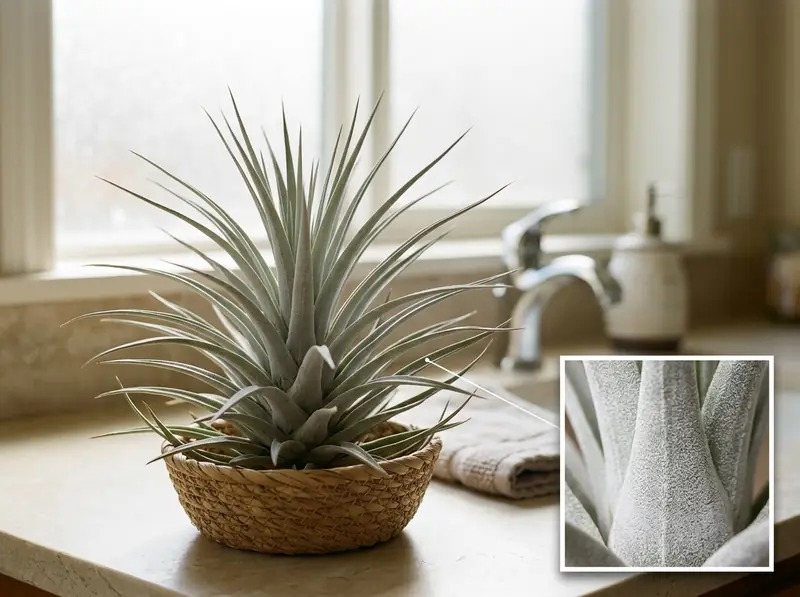
Paleacea Air Plant
Tillandsia paleacea
- Bright, indirect to direct sun
- Let it dry out
Pets: not yet checked AI-generated
 AI-generated