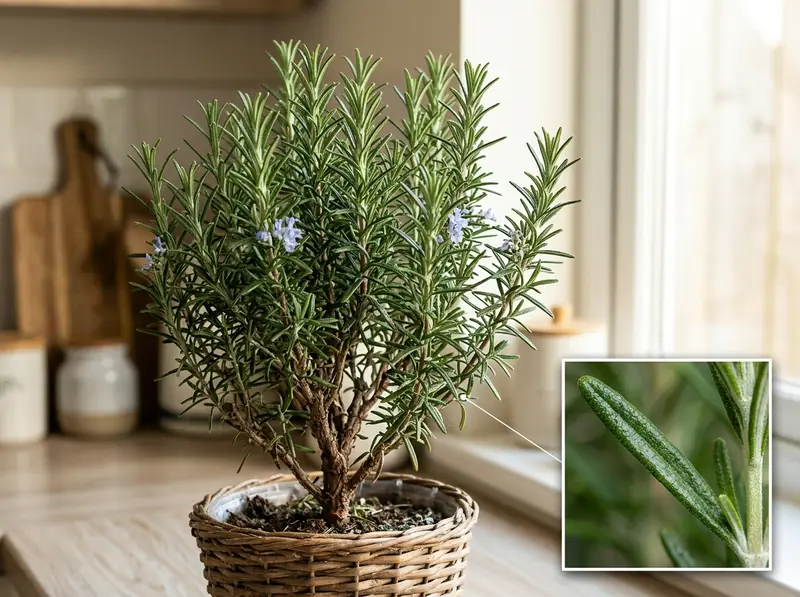
AI-generated image, not a photograph of this plant. Real plants look different depending on light, soil, temperature and age.
SarraceniaceaeEnthusiast in stores
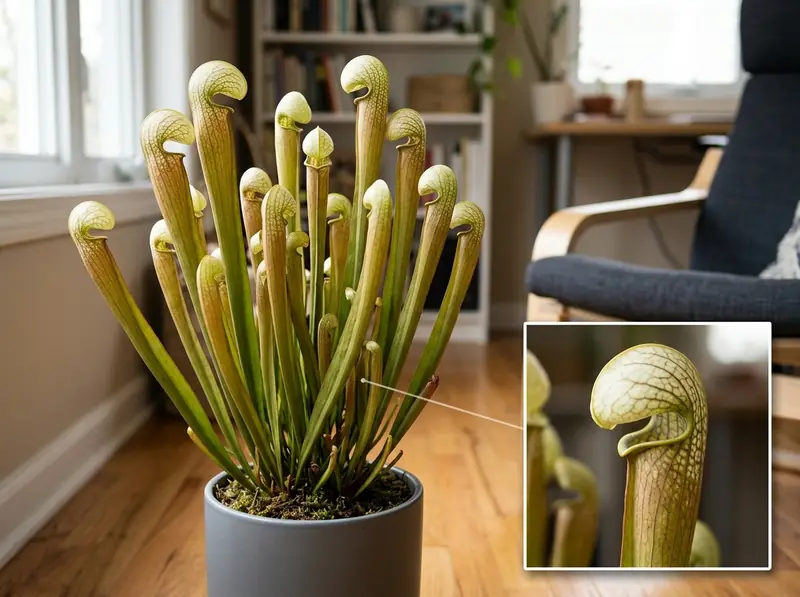
Pale Pitcher Plant
Sarracenia alata
Pale pitcher plant is a carnivorous bog plant with tall, slim, green pitchers that have a pale, veined hood. It needs direct sun, constantly wet roots, pure water and a cool winter dormancy, so it does best in a sunny window or outdoors in summer rather than in a dim room.
Pets: not yet checked
💡
Saving is free with a KinClub account, and it works here and in the KinClub app. Sign up free
🪴 Care profile
Light
Direct sunLow → direct sun
Water
Keep moistAbout every 3 days
Difficulty
Moderate to challengingTricky → easy
Coldest it tolerates
30°F
Humidity
Medium to high
Mature size
MediumSmall → tree-size
Growth rate
Moderate
How common
EnthusiastRare → everywhere
Plant family
Sarraceniaceae
🐾 Pets and toxicity
Cats and dogs: not yet checked
Not yet checked against ASPCA — don't assume it's safe for pets.
No toxicity source on record for this plant yet. If a pet eats any houseplant, call your vet or an animal poison helpline.
🌿 How to care for Pale Pitcher Plant
Light
Give at least 6 hours of direct sun daily, such as a south-facing window, or place it outdoors in summer. Weak indoor light is the main reason it fails; a strong full-spectrum grow light for 12-14 hours can substitute.
Watering
Stand the pot in 1-2 inches of water all growing season and let the tray empty briefly only if needed. Use only rainwater, distilled or reverse-osmosis water, because tap water minerals build up and kill roots. In winter, keep the soil just damp.
Soil
Use a nutrient-poor mix of roughly 1 part peat moss to 1 part coarse sand or perlite. Avoid regular potting soil, fertilizer-enriched mixes and limestone-containing sand.
Feeding
Do not fertilize the soil. The plant catches its own insects; if it is grown indoors with few insects, drop one or two small insects into a pitcher now and then, only during the growing season.
Repotting
Repot every 2-3 years in early spring before growth starts, using fresh peat and sand or perlite mix. Choose a pot only slightly larger, with the rhizome sitting at soil level.
Propagation
Divide the rhizome in early spring, keeping roots on each piece. Seed needs cold stratification for 4-8 weeks and grows slowly, taking several years to mature.
Common problems
Pitchers turn brown in autumn: this is normal dormancy, so trim dead growth and keep the plant cool through winter.
No new pitchers or weak growth: move to much brighter light and ensure a winter cold rest.
Brown crispy leaf tips: mineral buildup from tap water, so switch to rainwater or distilled water and flush the pot.
Aphids or scale on new growth: wipe off or rinse with water, and use insecticidal soap if necessary.

 AI-generated
 AI-generated
 AI-generated
 AI-generated
 AI-generated