
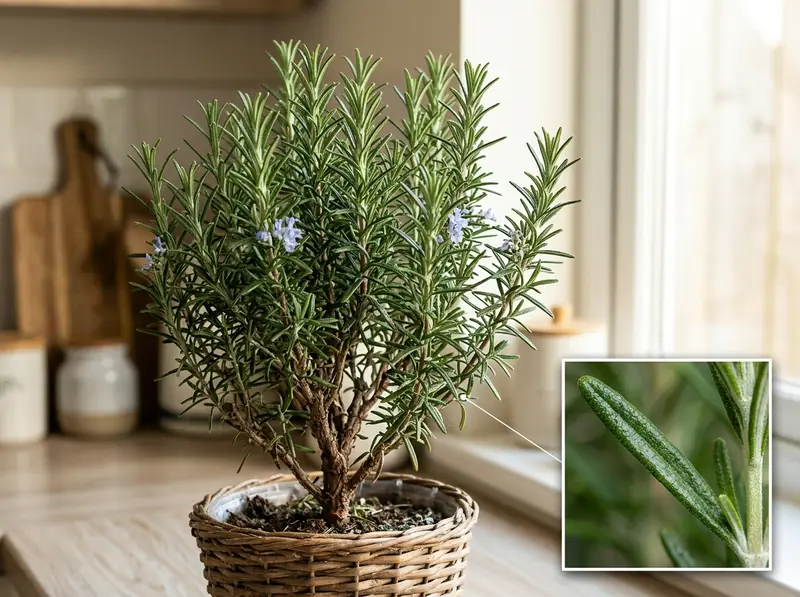
 AI-generated
Rosemary
Rosmarinus officinalis
Also known as Anthos
Rosemary is a woody, fragrant herb that can live indoors if given lots of direct sun, sharp drainage and good airflow. It is slow-growing and somewhat fussy, mainly because overwatering and low light are common indoors. Harvest sprigs lightly and regularly to keep it bushy.
Saving is free with a KinClub account, and it works here and in the KinClub app. Sign up free
Care profile
- Light
- Direct sunLow → direct sun
- Water
- Let it dry outAbout every 10 days
- Difficulty
- Moderate to challengingTricky → easy
- Coldest it tolerates
- 30°F
- Humidity
- Low
- Mature size
- MediumSmall → tree-size
- Growth rate
- Slow to moderate
- How common
- Very commonRare → everywhere
- Plant family
- Lamiaceae
Pets and toxicity
Non-toxic to cats
Listed as non-toxic to cats by the ASPCA.
Non-toxic to dogs
Listed as non-toxic to dogs by the ASPCA.
Source: ASPCA toxic and non-toxic plants. If a pet eats any houseplant, call your vet or an animal poison helpline.
How to care for Rosemary
Light
Give it at least 6 hours of direct sun a day, ideally in a south-facing window. In dim rooms it stretches and declines, so add a grow light for 12-14 hours a day if needed.
Watering
Water thoroughly when the top 1-2 inches of soil are dry, roughly every 7-14 days, and empty the saucer. Reduce to every 2-3 weeks in winter; it tolerates dry soil better than soggy soil.
Soil
Use a gritty, fast-draining mix such as cactus mix with extra perlite or coarse sand. A terracotta pot helps the soil dry evenly. Always use a pot with drainage holes.
Feeding
Feed lightly, about once a month in spring and summer, with a half-strength balanced liquid fertilizer. Skip feeding in fall and winter; too much fertilizer makes weak, less flavorful growth.
Repotting
Repot every 1-2 years in spring into a pot only 1-2 inches wider, as it dislikes root disturbance. Handle the root ball gently and do not bury the stem deeper than before.
Propagation
Take 3-4 inch softwood tip cuttings in spring or early summer, strip the lower needles, and dip in rooting hormone. Insert in gritty mix and keep barely moist; rooting takes 3-8 weeks and not all cuttings take.
Common problems
- White powdery coating on needles is powdery mildew; improve airflow, water the soil not the foliage, and remove badly affected stems.
- Needles browning and stems going soft at the base means root rot; unpot, trim black roots, and repot in dry gritty mix.
- Fine webbing and stippled needles signal spider mites; rinse the plant and treat with insecticidal soap weekly for 3 weeks.
- Leggy, sparse growth means too little light; move to the brightest window or add a grow light, and pinch tips to encourage bushiness.
- Sudden dieback after a dry spell often can't be reversed on woody stems; cut back dead stems and check for green under the bark.
Similar plants
Same light needs and difficulty.
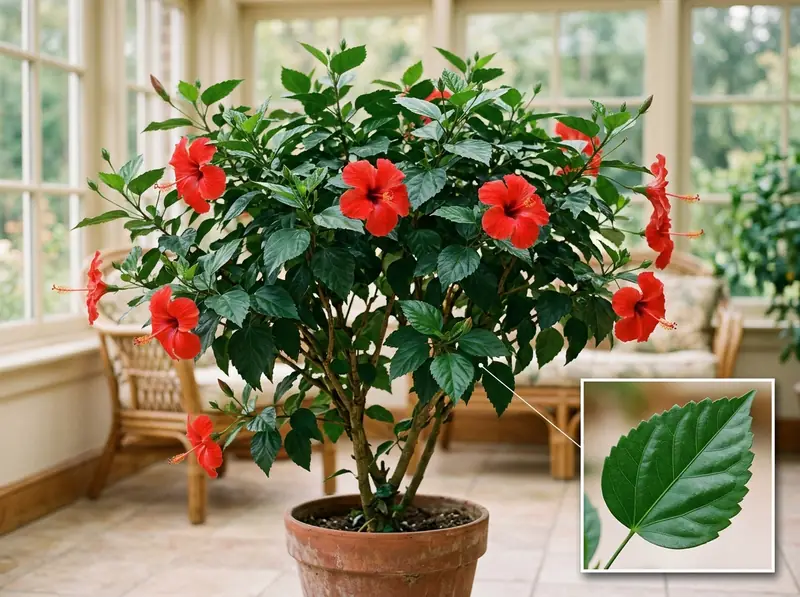 AI-generated
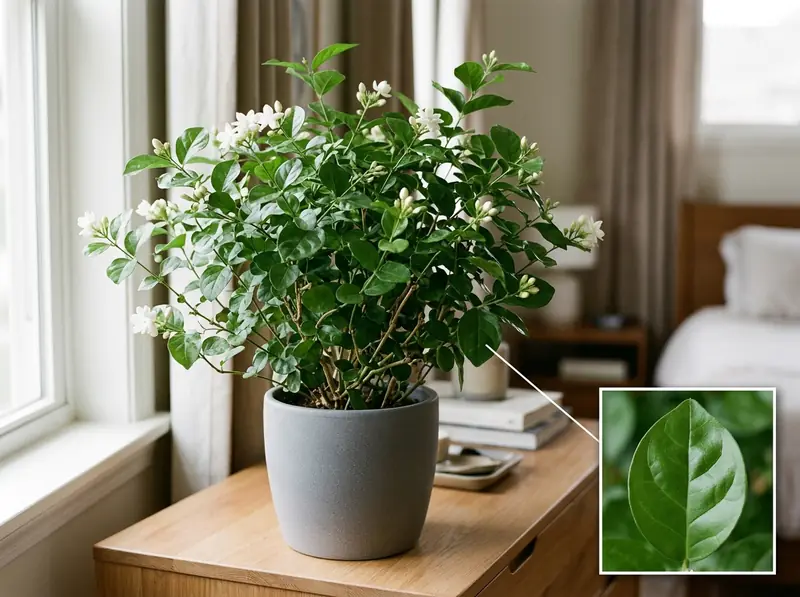 AI-generated
 AI-generated
 AI-generated