
 AI-generated
Sweetheart Hoya
Hoya kerrii
Also known as wax hearts, valentine hoya
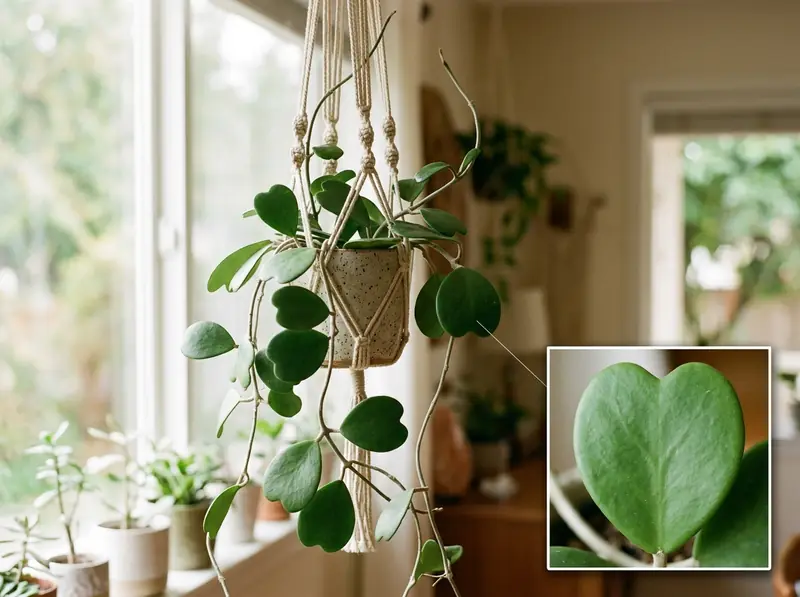
Sweetheart Hoya is a slow-growing succulent vine with thick, heart-shaped leaves, popular as a small gift plant. It tolerates some neglect: give it bright light, a gritty soil mix and infrequent watering. Mature, well-lit vines can produce fragrant clusters of pink-and-white flowers.
Saving is free with a KinClub account, and it works here and in the KinClub app. Sign up free
Care profile
- Light
- Bright, indirect lightLow → direct sun
- Water
- Let it dry outAbout every 14 days
- Difficulty
- EasyTricky → easy
- Coldest it tolerates
- 55°F
- Humidity
- Low to medium
- Mature size
- MediumSmall → tree-size
- Growth rate
- Slow
- How common
- Very commonRare → everywhere
- Plant family
- Apocynaceae
Pets and toxicity
Non-toxic to cats
Listed as non-toxic to cats by the ASPCA.
Non-toxic to dogs
Listed as non-toxic to dogs by the ASPCA.
Source: ASPCA toxic and non-toxic plants. If a pet eats any houseplant, call your vet or an animal poison helpline.
How to care for Sweetheart Hoya
Light
Give it bright light, such as a spot near an east or south window with a few hours of gentle direct sun. Mature vines need strong light to bloom.
Watering
Water thoroughly, then let the soil dry out almost completely, about every 2 to 3 weeks in the growing season. In winter, water only every 4 to 6 weeks, or when the leaves feel slightly less firm.
Soil
Use a fast-draining, gritty mix, such as cactus mix with about one-third perlite or orchid bark. The pot must have drainage holes.
Feeding
Feed monthly in spring and summer with a balanced houseplant fertilizer diluted to half strength. Skip feeding in fall and winter.
Repotting
Repot only every 2 to 3 years, when roots fill the pot. Pick a pot only 1 to 2 inches wider, since Hoyas bloom and grow best when slightly snug.
Propagation
Take a stem cutting with at least one node and a couple of leaves, and root it in moist perlite or a gritty mix with warmth and bright light. A leaf with no node may root but usually will not grow new stems.
Common problems
- Wrinkled, soft leaves: the plant is either thirsty or has rotted roots. Check the soil; water if dry, and repot if the roots are brown and mushy.
- Yellow, mushy leaves: overwatering. Let the soil dry fully, empty the saucer, and move it to a gritty mix if needed.
- Cottony white clusters in leaf joints: mealybugs. Dab them with rubbing alcohol on a cotton swab and repeat weekly.
- No growth from a single leaf: it has no node. Choose a plant with a vine, or be patient, as growth is very slow.
- Long, sparse vines with no flowers: too little light. Move it to a brighter spot.
Similar plants
Same light needs and difficulty.
 AI-generated
 AI-generated
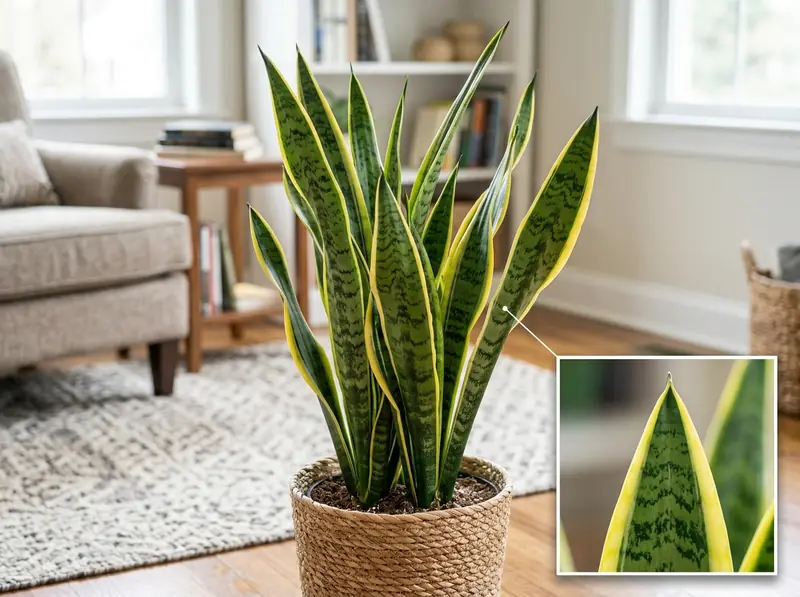
Laurentii Snake Plant
Dracaena trifasciata 'Laurentii'
- Medium to bright, indirect light
- Let it dry out
Toxic to cats and dogs AI-generated
Chinese Money Plant
Pilea peperomioides
- Bright, indirect light
- Dry to moderate watering
Pets: not yet checked AI-generated
Christmas Cactus
Schlumbergera × buckleyi
- Bright, indirect light
- Moderate watering
Pets: not yet checked