
 AI-generated
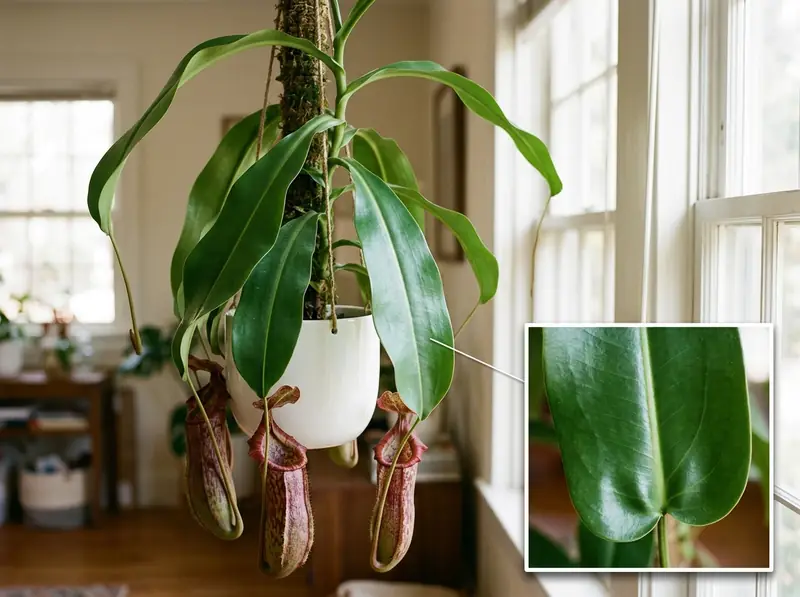
Truncata Pitcher Plant
Nepenthes truncata
Nepenthes truncata is a Philippine species with enormous, leathery leaves and big, bold pitchers. It needs bright light, steady humidity, and room to climb, and it rewards patient, experienced growers.
Saving is free with a KinClub account, and it works here and in the KinClub app. Sign up free
Care profile
- Light
- Bright, indirect lightLow → direct sun
- Water
- Keep moistAbout every 3 days
- Difficulty
- Moderate to challengingTricky → easy
- Coldest it tolerates
- 50°F
- Humidity
- High
- Mature size
- LargeSmall → tree-size
- Growth rate
- Slow to moderate
- How common
- RareRare → everywhere
- Plant family
- Nepenthaceae
Pets and toxicity
Cats and dogs: not yet checked
Not yet checked against ASPCA — don't assume it's safe for pets.
No toxicity source on record for this plant yet. If a pet eats any houseplant, call your vet or an animal poison helpline.
How to care for Truncata Pitcher Plant
Light
Bright indirect light with some gentle sun, or 12 hours under a strong grow light. It needs strong light to form its big pitchers.
Watering
Keep media evenly damp, about every 3 days. Water with rain, distilled, or reverse-osmosis water only, because minerals in tap water build up and brown the leaf tips.
Soil
Use a nutrient-poor, airy mix: long-fiber sphagnum moss with about a third perlite or orchid bark. Avoid ordinary potting soil and added fertilizer granules, which burn the roots.
Feeding
Skip fertilizer in the pot. Once a month, mist the leaves lightly with orchid fertilizer diluted to quarter strength, or drop a few fish-food flakes or a small insect into a pitcher.
Repotting
Repot every 1 to 2 years in spring into fresh sphagnum and perlite, using a pot only 1 to 2 inches wider. Handle the fine roots gently and keep the plant in the shade for a week afterward.
Propagation
Take 3 to 4 inch stem cuttings with at least two leaves, dip in rooting hormone, and root in damp sphagnum under a clear dome. Expect 6 to 12 weeks, and a rooted cutting sulks for a while.
Common problems
- Slow growth with no pitchers: increase light and humidity, and give a cooler night.
- Leaf tip burn comes from dry air or mineral water; use rain or distilled water.
- Aphids and thrips target new growth; treat early with insecticidal soap.
Similar plants
Same light needs and difficulty.
 AI-generated
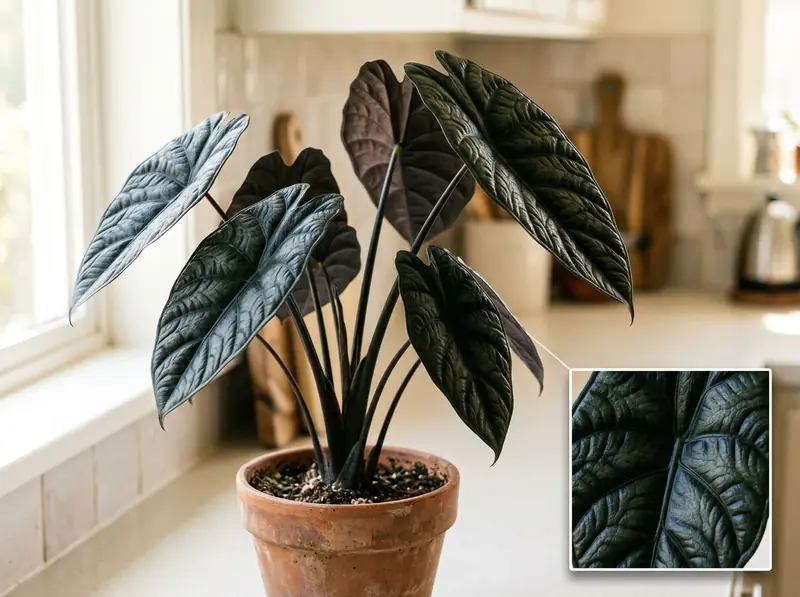
Infernalis Alocasia
Alocasia infernalis
- Bright, indirect light
- Moderate to moist watering
Toxic to cats and dogs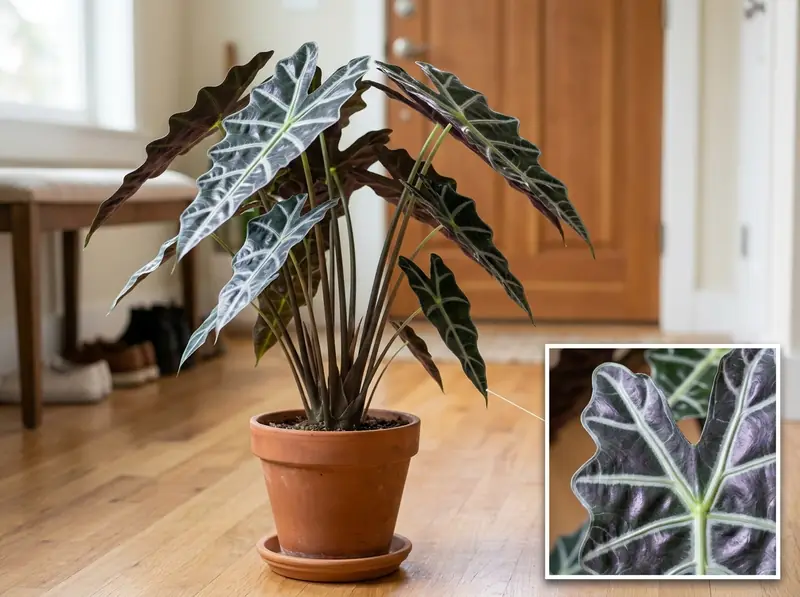 AI-generated
Kris Plant
Alocasia sanderiana
- Bright, indirect light
- Moderate to moist watering
Toxic to cats and dogs AI-generated
 AI-generated
Calathea Orbifolia
Goeppertia orbifolia
- Medium to bright, indirect light
- Keep moist
Pets: not yet checked