
 AI-generated
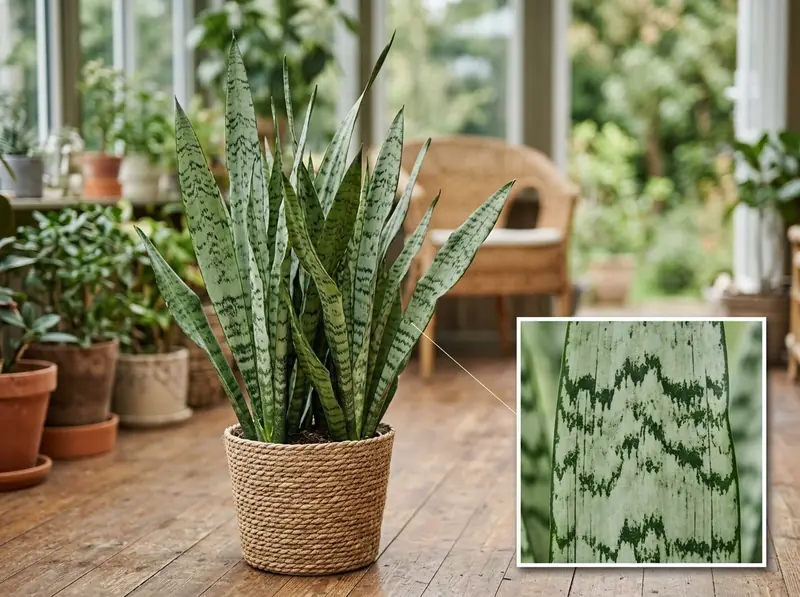
Zeylanica Snake Plant
Dracaena trifasciata 'Zeylanica'
Zeylanica is a classic snake plant with stiff, upright, sword-shaped leaves in grey-green with wavy dark green crossbands and no yellow edge. It is very forgiving of dim rooms and missed waterings, making it a good first plant. Give it a gritty, fast-draining mix and water only when the soil is fully dry.
Saving is free with a KinClub account, and it works here and in the KinClub app. Sign up free
Care profile
- Light
- Low lightLow → direct sun
- Water
- Let it dry outAbout every 18 days
- Difficulty
- EasyTricky → easy
- Coldest it tolerates
- 50°F
- Humidity
- Low
- Mature size
- MediumSmall → tree-size
- Growth rate
- Slow
- How common
- CommonRare → everywhere
- Plant family
- Asparagaceae
Pets and toxicity
Toxic to cats
Keep away from cats. Call your vet or a pet poison helpline if a cat chews it.
Toxic to dogs
Keep away from dogs. Call your vet or a pet poison helpline if a dog chews it.
Source: ASPCA toxic and non-toxic plants. If a pet eats any houseplant, call your vet or an animal poison helpline.
How to care for Zeylanica Snake Plant
Light
Does best in medium to bright indirect light but tolerates low light and some direct morning sun. Growth is much slower in dim rooms, and the leaves lose some of their color.
Watering
Water thoroughly, then let the soil dry out completely, about every 2 to 3 weeks in summer. In winter or low light, water only every 4 to 6 weeks, or when the pot feels light.
Soil
Use a gritty, fast-draining mix such as cactus and succulent soil, with extra perlite or coarse sand. Choose a pot with drainage holes; unglazed terracotta helps the soil dry faster.
Feeding
Feed with a balanced houseplant fertilizer at half strength about once a month in spring and summer. Do not feed in fall and winter.
Repotting
Repot only every 2 to 4 years, when roots crowd the pot or push it out of shape. Go up just 1 to 2 inches in pot size, and use a heavy pot because the plant gets top-heavy.
Propagation
Divide the plant at the roots, separating pups that have their own roots, and pot each one in gritty mix. You can also cut a leaf into 2 to 3 inch sections, let them callus for a few days, and root them in soil or water.
Common problems
- Mushy, yellowing leaves at the base: this is rot from overwatering. Unpot, cut away soft roots and leaves, and repot in dry gritty mix.
- Brown, crispy leaf tips: usually from long drought or fluoride in the water. Water deeply when dry and trim the tips.
- Leaves leaning or flopping: often from low light or overwatering. Move to brighter light and water less.
- Cottony white clusters between leaves: mealybugs. Dab with cotton swabs dipped in rubbing alcohol and repeat weekly.
Similar plants
Same light needs and difficulty.
 AI-generated
 AI-generated
 AI-generated
 AI-generated
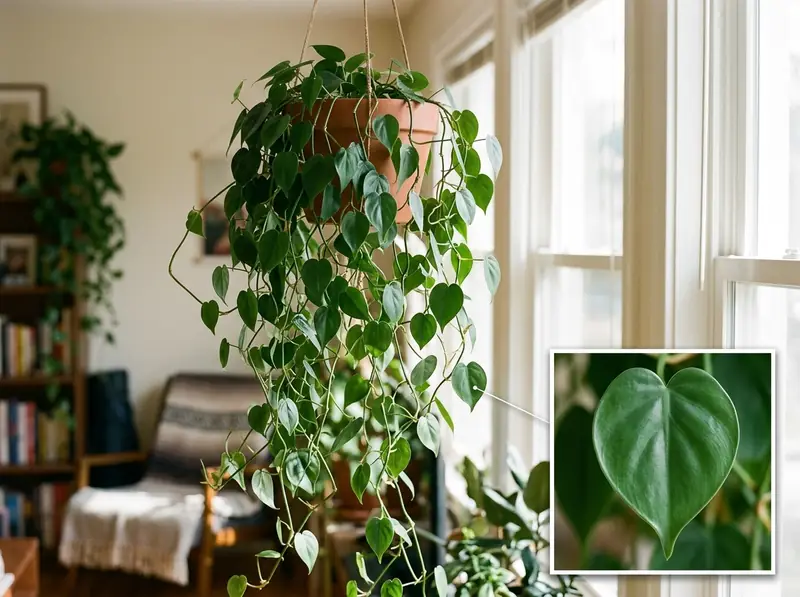
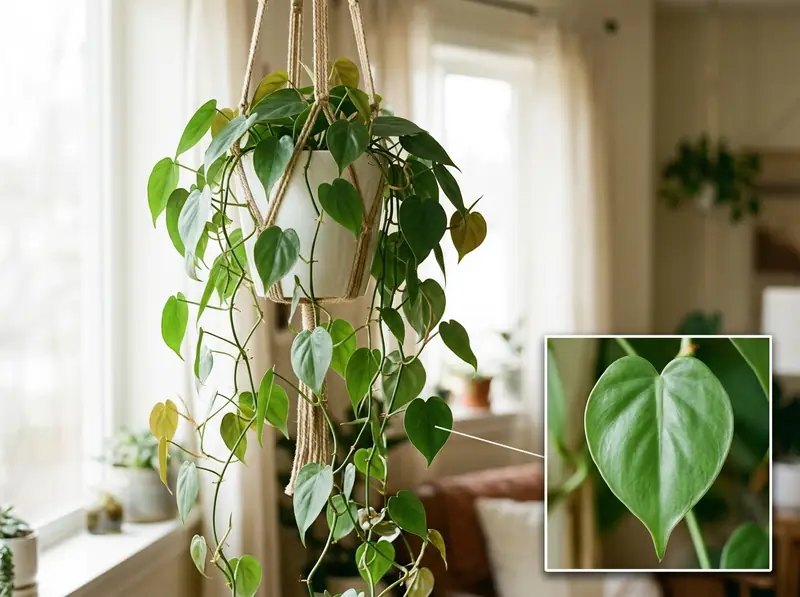
Heartleaf Philodendron
Philodendron hederaceum
- Low to medium light
- Moderate watering
Toxic to cats and dogs