
 AI-generated
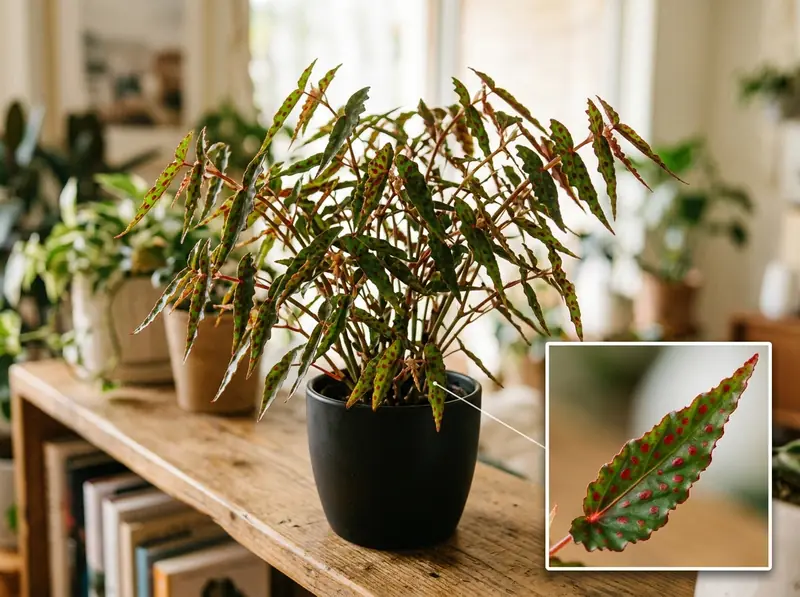
Amphioxus Begonia
Begonia amphioxus
Amphioxus Begonia is a small, rare Bornean begonia with narrow, patterned leaves, valued by collectors. It needs steady warmth, gentle filtered light and high humidity, so it does best in a terrarium or humid cabinet. Keep the soil lightly moist but never waterlogged.
Saving is free with a KinClub account, and it works here and in the KinClub app. Sign up free
Care profile
- Light
- Medium to bright, indirect lightLow → direct sun
- Water
- Moderate to moist wateringAbout every 7 days
- Difficulty
- ChallengingTricky → easy
- Coldest it tolerates
- 60°F
- Humidity
- High
- Mature size
- SmallSmall → tree-size
- Growth rate
- Moderate
- How common
- CommonRare → everywhere
- Plant family
- Begoniaceae
Pets and toxicity
Toxic to cats
Keep away from cats. Call your vet or a pet poison helpline if a cat chews it.
Toxic to dogs
Keep away from dogs. Call your vet or a pet poison helpline if a dog chews it.
Source: ASPCA toxic and non-toxic plants. If a pet eats any houseplant, call your vet or an animal poison helpline.
How to care for Amphioxus Begonia
Light
Give bright but filtered light, such as a spot a few feet back from an east window or behind a sheer curtain. Avoid direct sun, which scorches the leaves quickly.
Watering
Water when the top half inch of soil feels dry, about once a week in the growing season, using room-temperature water. Keep the mix lightly damp but never soggy, and pour at the soil, not on the leaves.
Soil
Use a light, airy mix, such as 2 parts peat-free potting mix to 1 part perlite, with a little orchid bark. The pot must have drainage holes.
Feeding
Feed every 3 to 4 weeks in spring and summer with a balanced liquid fertilizer diluted to half the label strength. Skip feeding in winter.
Repotting
Repot every 1 to 2 years in spring into a pot only 1 inch wider, preferably shallow. Keep the rhizome sitting on top of the soil, not buried.
Propagation
Take a stem or rhizome section with a leaf, or a leaf with a bit of stalk, and root it in damp perlite or moss under high humidity. Rooting takes several weeks.
Common problems
- Brown crispy leaf edges: humidity is too low, so move to a humid enclosure or group it with other plants and use a humidifier.
- Powdery mildew (white dusty film): air is stagnant and damp, so improve airflow, remove affected leaves, and avoid wetting the foliage.
- Rotting rhizome or stem base: the soil is too wet, so let it dry a little, repot into airier mix and cut out any mushy tissue.
- Leaf drop after a move or cold draft: keep it above 60°F, away from vents and windows, and avoid frequent relocation.
Similar plants
Same light needs and difficulty.
 AI-generated
 AI-generated
 AI-generated
Calathea Orbifolia
Goeppertia orbifolia
- Medium to bright, indirect light
- Keep moist
Pets: not yet checked AI-generated