
 AI-generated
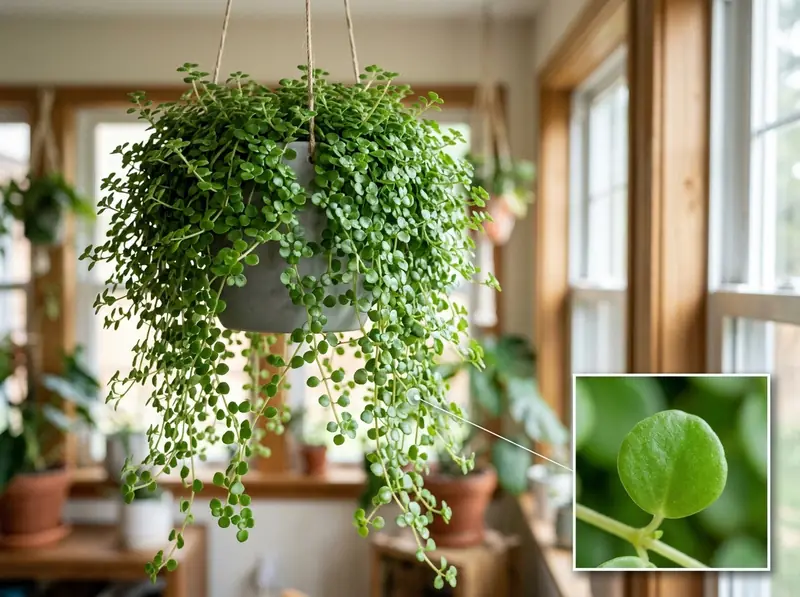
Baby Tears Pilea
Pilea depressa
Baby tears pilea is a tiny-leaved, creeping plant that forms a soft, dense green mat, lovely in a small pot or hanging basket. It is fast growing but likes steady moisture, bright indirect light and humid air. Trim it occasionally to keep it full, and take cuttings to replace tired plants.
Saving is free with a KinClub account, and it works here and in the KinClub app. Sign up free
Care profile
- Light
- Bright, indirect lightLow → direct sun
- Water
- Keep moistAbout every 5 days
- Difficulty
- Easy to moderateTricky → easy
- Coldest it tolerates
- 55°F
- Humidity
- High
- Mature size
- SmallSmall → tree-size
- Growth rate
- Fast
- How common
- CommonRare → everywhere
- Plant family
- Urticaceae
Pets and toxicity
Cats and dogs: not yet checked
Not yet checked against ASPCA — don't assume it's safe for pets.
No toxicity source on record for this plant yet. If a pet eats any houseplant, call your vet or an animal poison helpline.
How to care for Baby Tears Pilea
Light
Give bright, indirect light such as a spot a few feet from an east or lightly shaded south window. Avoid direct midday sun, which scorches the tiny leaves.
Watering
Keep the soil lightly and evenly damp, watering when the top half inch feels barely dry, roughly every 4 to 7 days. Never let it dry out completely or sit in standing water.
Soil
Use a light, peat- or coco-based potting mix with some perlite (about one part perlite to three parts mix) so it holds moisture yet drains freely. Use a pot with drainage holes.
Feeding
Feed every 3 to 4 weeks in spring and summer with a balanced liquid fertilizer diluted to half strength. Skip feeding in winter.
Repotting
Repot every year or two in spring into a shallow pot only 1 to 2 inches wider, or divide the mat. It prefers being a bit snug and shallow pots suit its roots.
Propagation
Snip 2 to 3 inch stem pieces and press them onto moist potting mix, or pull off rooted clumps. Keep them humid and they root in 2 to 3 weeks.
Common problems
- Leggy, sparse stems: move to brighter indirect light and trim back to encourage bushier growth.
- Crispy, collapsing foliage: the soil dried out, so soak from below and keep evenly damp afterwards.
- Mushy, blackened stems: overwatering or poor drainage; remove rotted growth, let the top dry slightly, and repot into fresh mix.
- Tiny webbing and stippled leaves: spider mites in dry air; rinse gently, raise humidity and treat with insecticidal soap.
- Brown leaf edges in dry rooms: group with other plants, use a pebble tray or put it in a bright bathroom.
Similar plants
Same light needs and difficulty.
 AI-generated
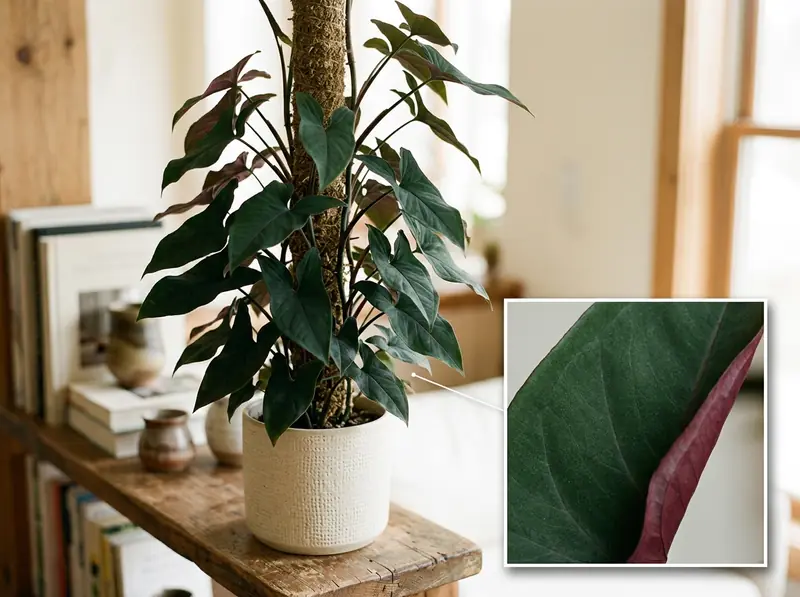
Llano Carti Road Syngonium
Syngonium erythrophyllum 'Llano Carti Road'
- Bright, indirect light
- Moderate watering
Pets: not yet checked AI-generated
 AI-generated
 AI-generated