AI-generated image, not a photograph of this plant. Real plants look different depending on light, soil, temperature and age.
Rare in stores
Bloody Mary Pitcher Plant
Nepenthes 'Bloody Mary'
Bloody Mary is a hybrid tropical pitcher plant known for its red-mottled pitchers that hang from the leaf tips. It needs bright light, humid air and mineral-free water, but a well-grown plant makes a showstopper in a hanging pot.
Pets: not yet checked
💡
Saving is free with a KinClub account, and it works here and in the KinClub app. Sign up free
🪴 Care profile
Light
Bright, indirect lightLow → direct sun
Water
Keep moistAbout every 4 days
Difficulty
Moderate to challengingTricky → easy
Coldest it tolerates
50°F
Humidity
High
Mature size
MediumSmall → tree-size
Growth rate
Moderate
How common
RareRare → everywhere
🐾 Pets and toxicity
Cats and dogs: not yet checked
Not yet checked against ASPCA — don't assume it's safe for pets.
No toxicity source on record for this plant yet. If a pet eats any houseplant, call your vet or an animal poison helpline.
🌿 How to care for Bloody Mary Pitcher Plant
Light
Prefers bright, indirect light, such as an east window or a spot with a few hours of gentle morning sun, or a grow light for 12 hours. Strong light brings out the red pitcher color. Avoid hot afternoon sun.
Watering
Keep the mix evenly damp, never soggy, using distilled, rainwater or reverse-osmosis water. Water every 3 to 5 days when the surface begins to dry. Tap water minerals build up and burn the roots.
Soil
Use a nutrient-poor, airy mix such as 1 part long-fibered sphagnum moss, 1 part perlite and 1 part orchid bark, in a pot with drainage holes. Avoid ordinary potting soil and fertilizer-laced mixes.
Feeding
Do not fertilize the soil. If it doesn't catch insects, add a pinch of a diluted orchid fertilizer to a few pitchers once a month, or just leave it.
Repotting
Repot every 1 to 2 years in spring when the mix breaks down, using fresh sphagnum-based mix and a hanging basket or a pot with plenty of drainage.
Propagation
Take stem cuttings with 2 to 3 leaf nodes in spring or summer and root them in damp sphagnum under high humidity in 2 to 3 months. Some are slow to root.
Common problems
Pitchers fail to form in dry air; increase humidity with a humidifier or terrarium.
Tips browning is common in older leaves; cut off the tendril only when it is fully dry.
Mineral buildup from tap water browns the leaf tips; switch to distilled water.
Aphids and mealybugs on young growth; rinse and use insecticidal soap.

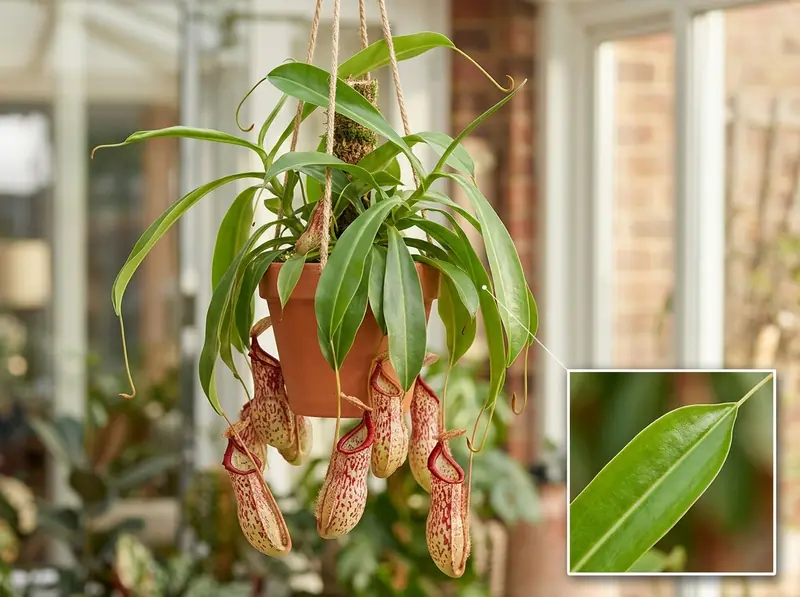 AI-generated
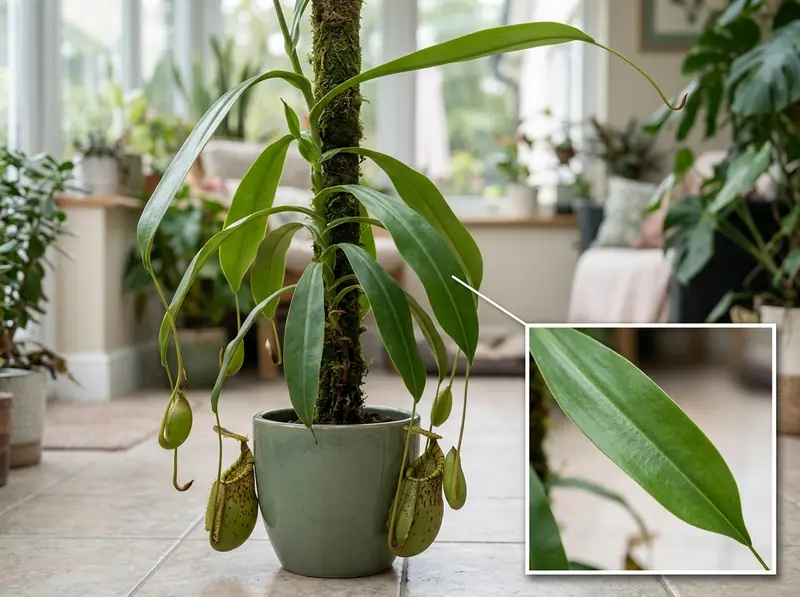 AI-generated
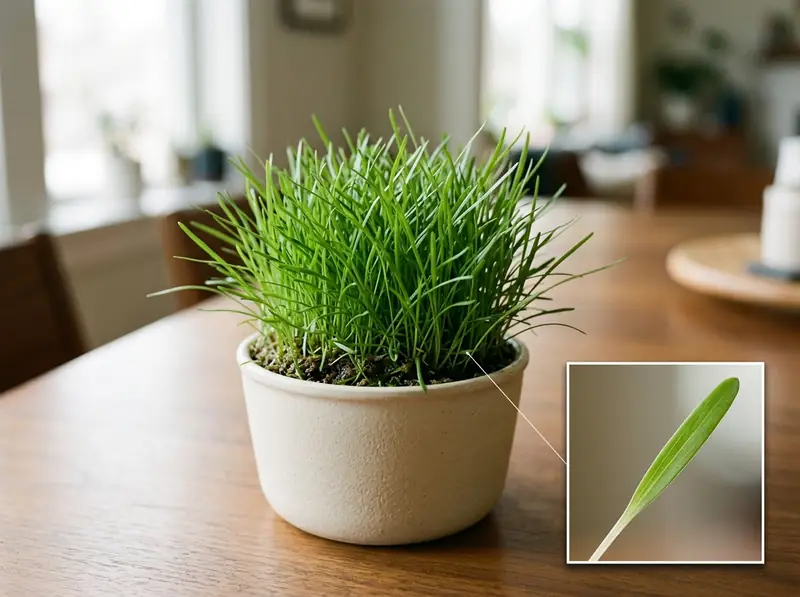 AI-generated
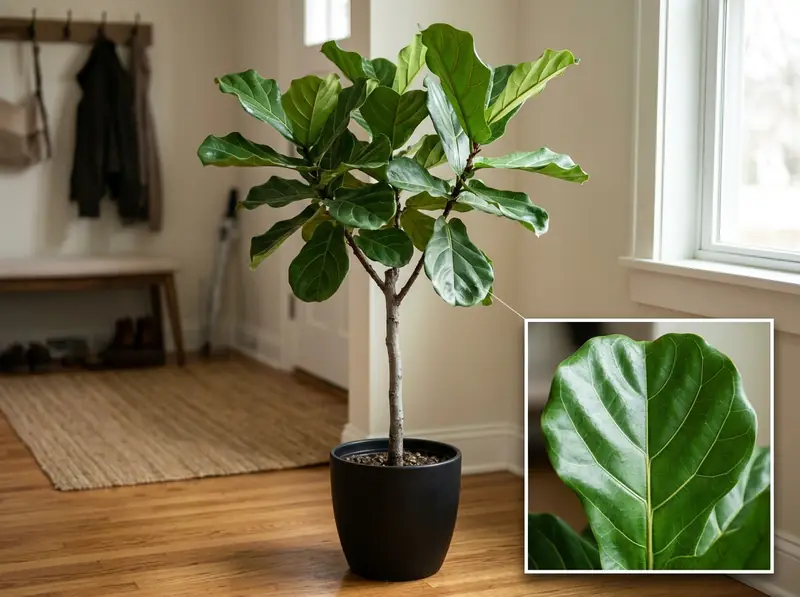 AI-generated
 AI-generated