
 AI-generated
Blue Screw Pine
Pandanus baptistii
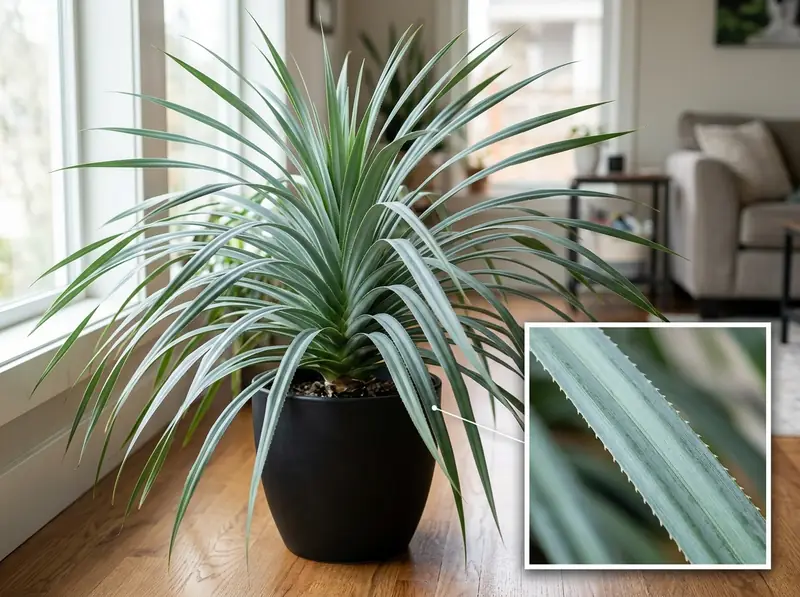
Blue Screw Pine is a slow-growing, architectural plant with a rosette of stiff, silvery blue-green leaves edged with small serrations. It is easy to grow in bright indirect light and tolerates some missed waterings. Give it room to spread, since it can eventually reach 3 to 4 feet across indoors.
Saving is free with a KinClub account, and it works here and in the KinClub app. Sign up free
Care profile
- Light
- Bright, indirect lightLow → direct sun
- Water
- Moderate wateringAbout every 10 days
- Difficulty
- Easy to moderateTricky → easy
- Coldest it tolerates
- 55°F
- Humidity
- Medium to high
- Mature size
- LargeSmall → tree-size
- Growth rate
- Slow to moderate
- How common
- EnthusiastRare → everywhere
- Plant family
- Pandanaceae
Pets and toxicity
Cats and dogs: not yet checked
Not yet checked against ASPCA — don't assume it's safe for pets.
No toxicity source on record for this plant yet. If a pet eats any houseplant, call your vet or an animal poison helpline.
How to care for Blue Screw Pine
Light
Give it bright, indirect light, such as a spot near an east or south-facing window with some filtering. It tolerates a few hours of gentle direct sun but will scorch in harsh midday sun.
Watering
Water thoroughly when the top 1-2 inches of soil are dry, usually every 10-14 days in the growing season. Let excess drain away and water less in winter, every 2-3 weeks.
Soil
Use a well-draining potting mix, such as standard indoor mix with about 20-30% perlite or coarse sand added. Choose a pot with drainage holes.
Feeding
Feed monthly from spring through summer with a balanced liquid houseplant fertilizer diluted to half strength. Skip feeding in fall and winter.
Repotting
Repot only every 2-3 years in spring, when roots crowd the pot, going up just 1-2 inches in pot diameter. Wear gloves and handle it by the base, since the leaf edges are serrated.
Propagation
Propagate by removing offsets (pups) that form at the base once they are 6 inches tall and have a few roots of their own. Pot them in a light mix and keep them lightly moist and warm until established.
Common problems
- Brown leaf tips: caused by dry soil, low humidity, or fertilizer buildup; water more evenly and flush the soil with water every few months.
- Yellowing lower leaves: usually overwatering; let the soil dry more between waterings and check that the pot drains.
- Mealybugs or scale on leaf bases: dab with cotton swabs dipped in rubbing alcohol and repeat weekly until gone.
- Pale, faded leaves: too much direct sun; move it back from the window to bright indirect light.
Similar plants
Same light needs and difficulty.
 AI-generated
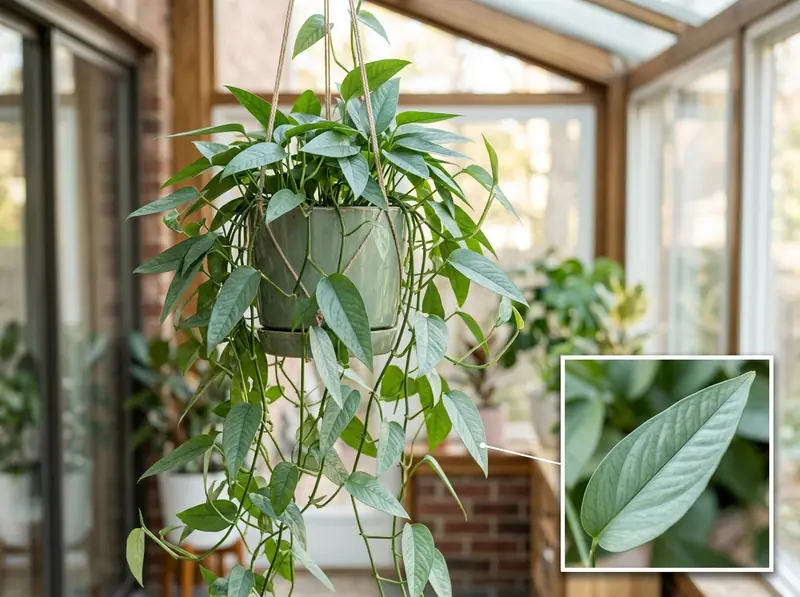
Cebu Blue Pothos
Epipremnum pinnatum 'Cebu Blue'
- Bright, indirect light
- Moderate watering
Toxic to cats and dogs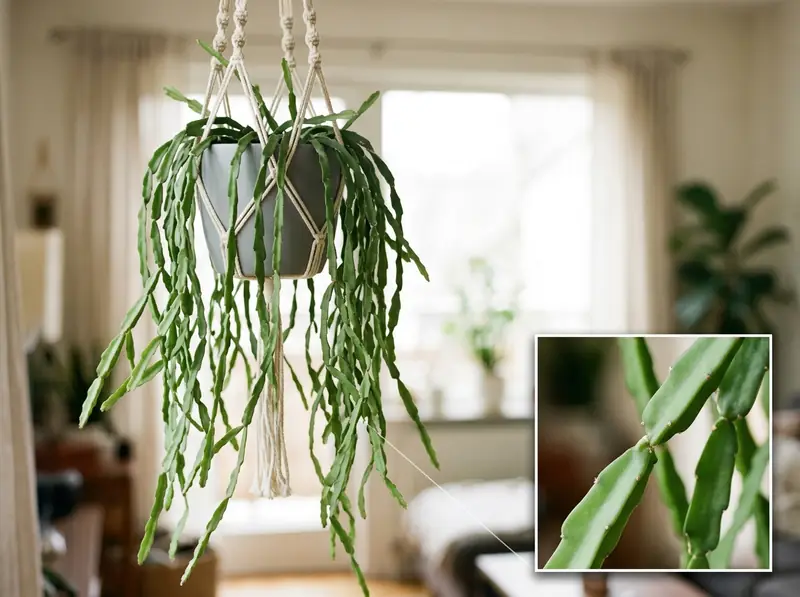 AI-generated
 AI-generated
Chinese Money Plant
Pilea peperomioides
- Bright, indirect light
- Dry to moderate watering
Pets: not yet checked AI-generated
Christmas Cactus
Schlumbergera × buckleyi
- Bright, indirect light
- Moderate watering
Pets: not yet checked