
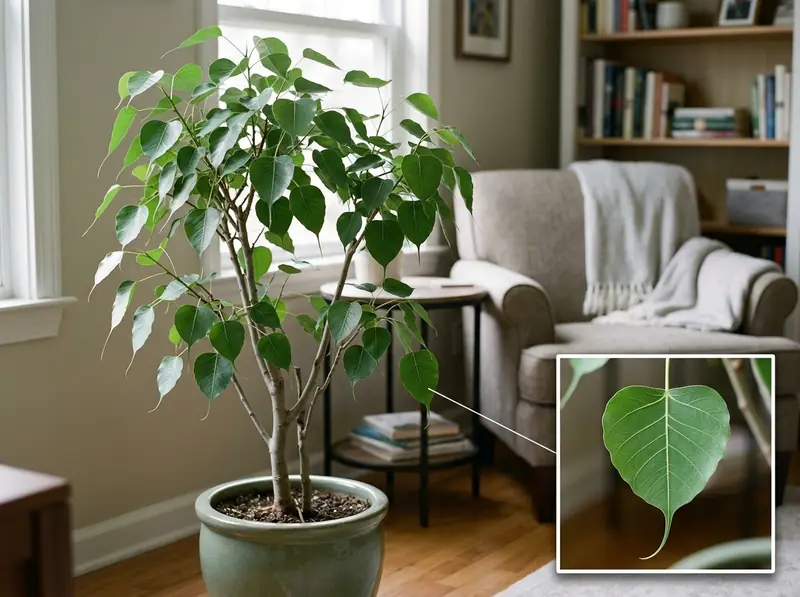
 AI-generated
Bodhi Tree
Ficus religiosa
Also known as Ficus caudata, Ficus peepul, Ficus rhynchophylla, Ficus superstitiosa
The Bodhi tree (Ficus religiosa) is a fast-growing tree with glossy, heart-shaped leaves that end in a long drip tip. It wants bright light, steady warmth and consistent watering, and it can drop leaves if moved or chilled. Given a stable spot it grows quickly and can be kept to size by pruning.
Saving is free with a KinClub account, and it works here and in the KinClub app. Sign up free
Care profile
- Light
- Bright, indirect to direct sunLow → direct sun
- Water
- Moderate wateringAbout every 7 days
- Difficulty
- ModerateTricky → easy
- Coldest it tolerates
- 55°F
- Humidity
- Medium to high
- Mature size
- Tree-sizeSmall → tree-size
- Growth rate
- Fast
- How common
- CommonRare → everywhere
- Plant family
- Moraceae
Pets and toxicity
Toxic to cats
Keep away from cats. Call your vet or a pet poison helpline if a cat chews it.
Toxic to dogs
Keep away from dogs. Call your vet or a pet poison helpline if a dog chews it.
Source: ASPCA toxic and non-toxic plants. If a pet eats any houseplant, call your vet or an animal poison helpline.
How to care for Bodhi Tree
Light
Give it bright light, ideally a few hours of gentle morning sun from an east window or a spot near a south or west window with a sheer curtain. Turn the pot a quarter turn every week or two for even growth.
Watering
Water thoroughly when the top 1-2 inches of soil feel dry, about every 7 days in summer, until water drains from the bottom. Empty the saucer and water less often in winter, roughly every 10-14 days.
Soil
Use a well-draining potting mix, such as standard indoor mix with about 20-30% perlite or coarse sand added. The pot must have drainage holes.
Feeding
Feed every 3-4 weeks from spring through summer with a balanced liquid houseplant fertilizer at half the label strength. Stop feeding in fall and winter.
Repotting
Repot every 1-2 years in spring into a pot 2 inches wider once roots circle the inside or poke out of the drainage holes. Refresh the soil each time.
Propagation
Take 4-6 inch stem cuttings with a few leaves in spring or summer, dip in rooting hormone, and plant in moist perlite and peat mix. Keep warm and humid; rooting can take 4-8 weeks and is not always reliable.
Common problems
- Leaf drop after moving or a cold draft: keep it in a stable, warm spot away from vents and doors, and it will regrow leaves.
- Yellow leaves from soggy soil: let the top inches dry out between waterings and check that the pot drains freely.
- Brown crispy leaf edges from dry air or missed waterings: water more consistently and mist or group it with other plants to raise humidity.
- Sticky residue or webbing from sap-sucking pests: wipe leaves with soapy water, rinse, and repeat weekly until gone.
Similar plants
Same light needs and difficulty.
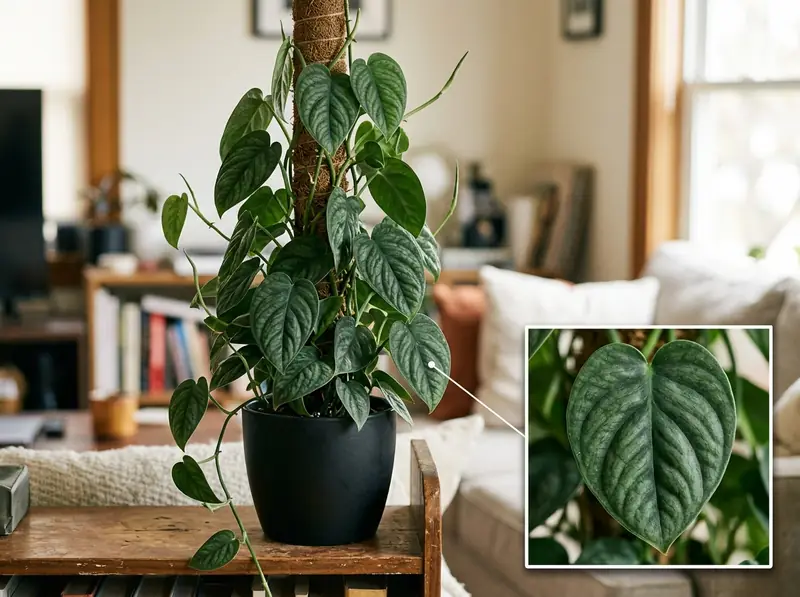 AI-generated
Mayari Scindapsus
Scindapsus mayari
- Medium to bright, indirect light
- Dry to moderate watering
Toxic to cats and dogs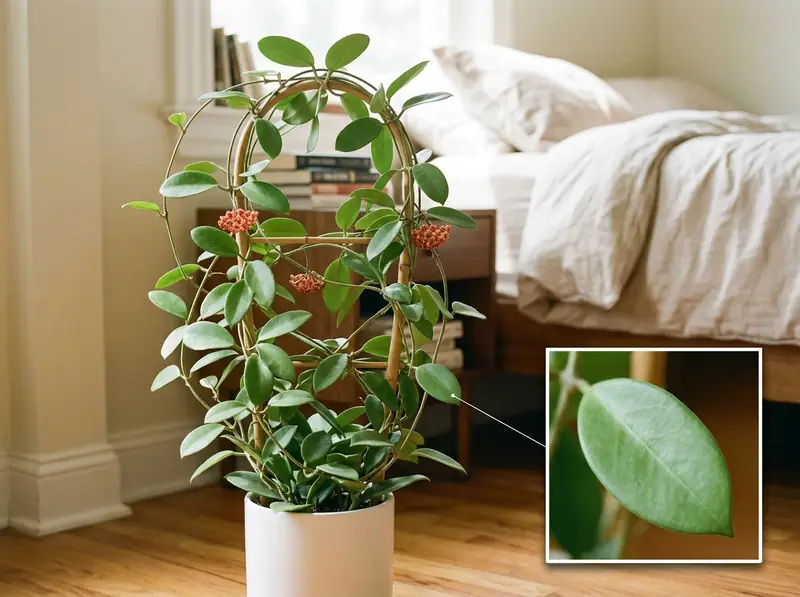 AI-generated
 AI-generated
 AI-generated