
 AI-generated
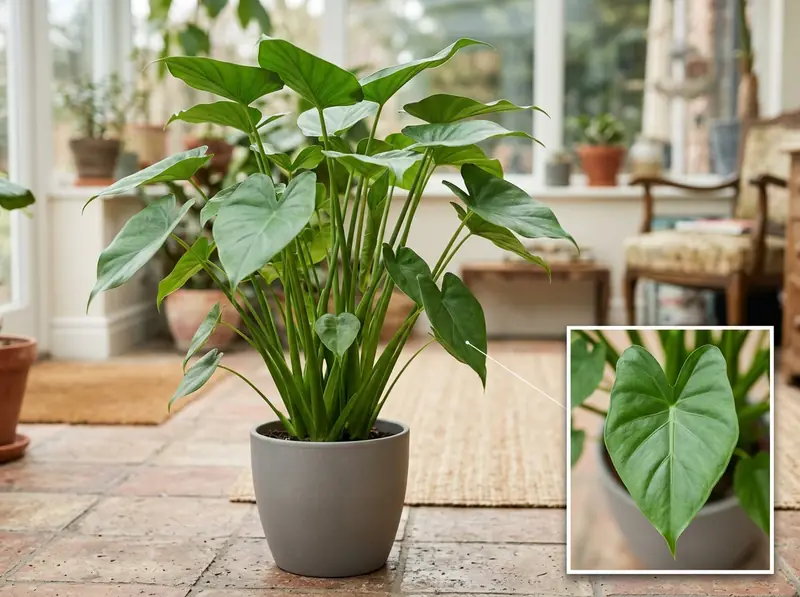
Buddha's Hand
Alocasia cucullata
Also known as Alocasia rugosa
Buddha's Hand is a tough, easygoing Alocasia with upright, glossy, arrow-shaped leaves on tall stems, reaching 2 to 3 feet indoors. It copes with lower light better than most relatives and suits beginners.
Saving is free with a KinClub account, and it works here and in the KinClub app. Sign up free
Care profile
- Light
- Medium to bright, indirect lightLow → direct sun
- Water
- Moderate wateringAbout every 7 days
- Difficulty
- Easy to moderateTricky → easy
- Coldest it tolerates
- 55°F
- Humidity
- Medium to high
- Mature size
- MediumSmall → tree-size
- Growth rate
- Moderate to fast
- How common
- RareRare → everywhere
- Plant family
- Araceae
Pets and toxicity
Toxic to cats
Keep away from cats. Call your vet or a pet poison helpline if a cat chews it.
Toxic to dogs
Keep away from dogs. Call your vet or a pet poison helpline if a dog chews it.
Source: ASPCA toxic and non-toxic plants. If a pet eats any houseplant, call your vet or an animal poison helpline.
How to care for Buddha's Hand
Light
Medium to bright indirect light. It tolerates lower light better than most Alocasias, but a spot near a bright window keeps leaves full and glossy.
Watering
Water when the top inch of soil is dry, about every 7 days in warm months and every 2 to 3 weeks in winter. It is more forgiving than fussier Alocasias.
Soil
A rich, well-draining mix such as potting soil with about one quarter perlite. It tolerates average soil but resents staying soggy.
Feeding
Feed monthly in spring and summer with a balanced liquid fertilizer at half strength. Stop feeding in winter.
Repotting
Repot every 2 years in spring when rhizomes crowd the pot. Go up one size and divide the clump if it is large.
Propagation
Divide the clump at repotting, separating pieces with rhizome and roots, or pot up the offsets. They root readily in warm, damp soil.
Common problems
- Spider mites cause speckled, dusty leaves. Wipe leaves and treat with insecticidal soap weekly for 3 weeks.
- Yellowing and drooping stems mean overwatering. Let the soil dry more and make sure the pot drains.
- It can lose leaves or go dormant below 60 F. Keep it warm, water sparingly, and expect new growth in spring.
Similar plants
Same light needs and difficulty.
 AI-generated
 AI-generated
 AI-generated
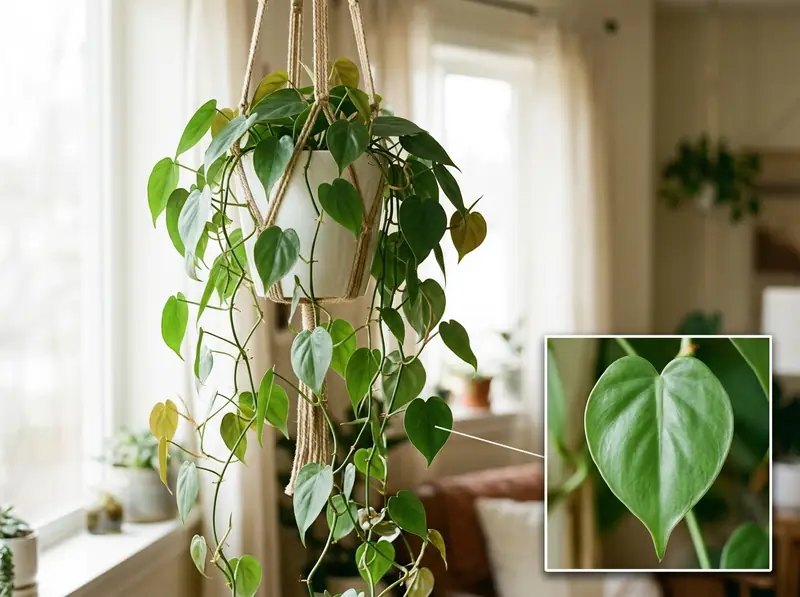
Heartleaf Philodendron
Philodendron hederaceum
- Low to medium light
- Moderate watering
Toxic to cats and dogs AI-generated