
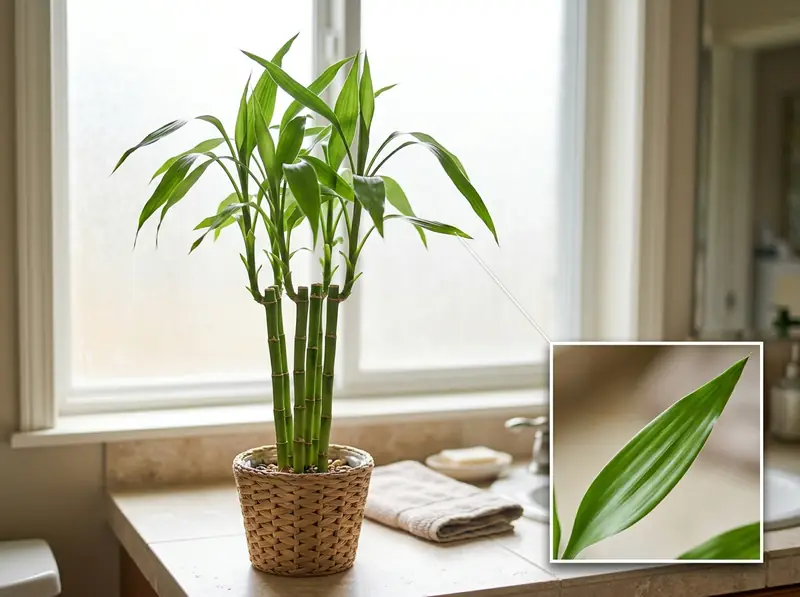
 AI-generated
Lucky Bamboo
Dracaena sanderiana
Also known as Dracaena poggei, Dracaena vanderystii
Lucky bamboo is not a true bamboo but a tough Dracaena that grows happily in water or soil. It tolerates dim rooms and forgetful owners, and it does best in indirect light with clean, chlorine-free water. Growth is slow, and trimmed or twisted stalks keep their shape for years.
Saving is free with a KinClub account, and it works here and in the KinClub app. Sign up free
Care profile
- Light
- Medium to bright, indirect lightLow → direct sun
- Water
- Keep moistAbout every 7 days
- Difficulty
- EasyTricky → easy
- Coldest it tolerates
- 50°F
- Humidity
- Medium
- Mature size
- MediumSmall → tree-size
- Growth rate
- Slow
- How common
- EverywhereRare → everywhere
- Plant family
- Asparagaceae
Pets and toxicity
Toxic to cats
Keep away from cats. Call your vet or a pet poison helpline if a cat chews it.
Toxic to dogs
Keep away from dogs. Call your vet or a pet poison helpline if a dog chews it.
Source: ASPCA toxic and non-toxic plants. If a pet eats any houseplant, call your vet or an animal poison helpline.
How to care for Lucky Bamboo
Light
Give it bright to medium indirect light, such as a few feet from an east or north window. It tolerates lower light but grows slowly, and direct sun scorches the leaves.
Watering
In soil, water when the top inch is dry, about once a week, and keep it lightly moist. In water, keep roots covered by 1-2 inches and change the water every 1-2 weeks.
Soil
Use a well-draining potting mix that holds some moisture, with added perlite. Alternatively grow it in clean water with pebbles to hold stalks upright in a vase.
Feeding
Feed sparingly. In water, add one drop of liquid fertilizer per quart about every 1-2 months. In soil, use a diluted houseplant fertilizer at quarter to half strength every 2-3 months in spring and summer.
Repotting
Repot only when roots crowd the container, usually every 2-3 years, into a pot one size larger. For water-grown plants, rinse the vase and roots when you change the water.
Propagation
Cut a stalk section with at least one node and place it in clean water or moist soil. Roots form in a few weeks; new shoots can be cut off and rooted the same way.
Common problems
- Yellow stalk or leaves: usually rot or too much sun. Cut off any mushy stalk, refresh the water, and move it out of direct light.
- Brown leaf tips: caused by fluoride or chlorine in tap water, or dry air. Switch to filtered or rainwater and trim the tips.
- Algae or cloudy, smelly water: change the water more often and scrub the vase and pebbles.
- Sticky white fluff or webbing on leaves: mealybugs or mites. Wipe with rubbing alcohol on a cotton swab or rinse the plant.
Similar plants
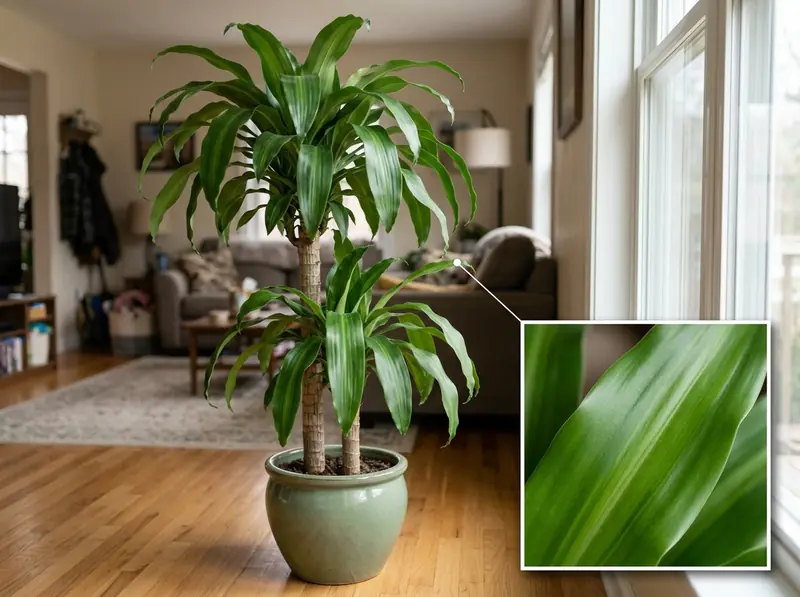
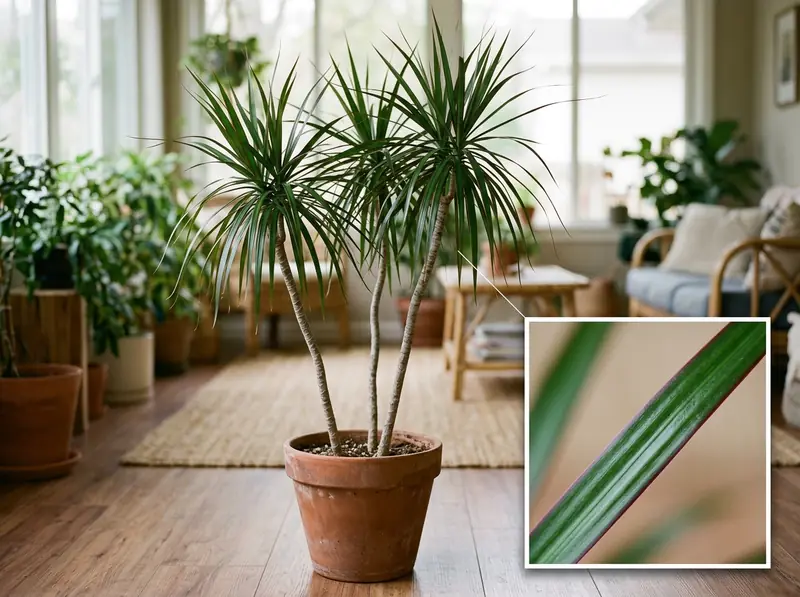
Same light needs and difficulty.
 AI-generated
 AI-generated
 AI-generated
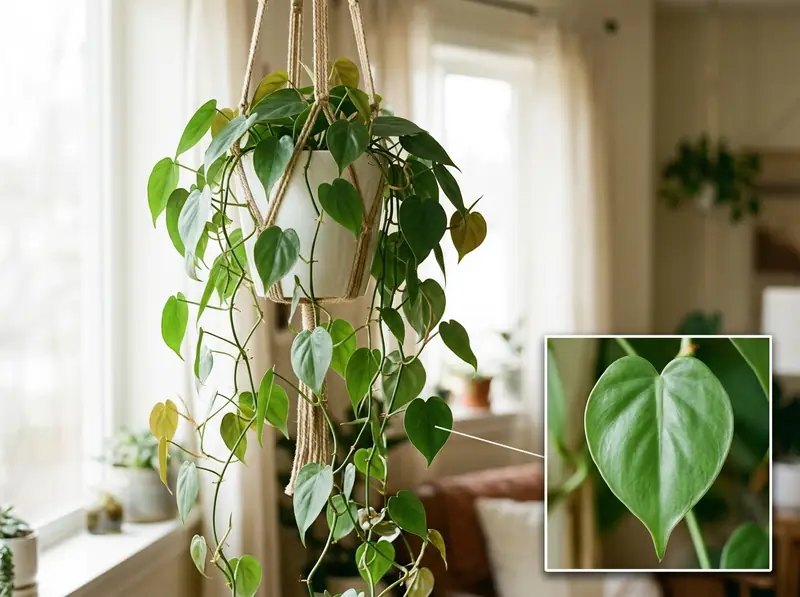
Heartleaf Philodendron
Philodendron hederaceum
- Low to medium light
- Moderate watering
Toxic to cats and dogs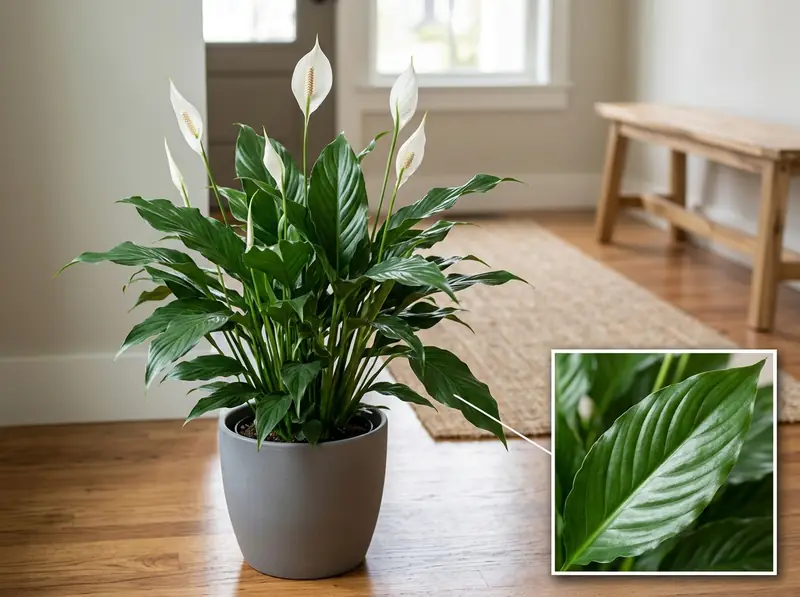 AI-generated
Peace Lily
Spathiphyllum wallisii
- Low to medium light
- Moderate to moist watering
Toxic to cats and dogs