
 AI-generated
Crassipetiolata Hoya
Hoya crassipetiolata
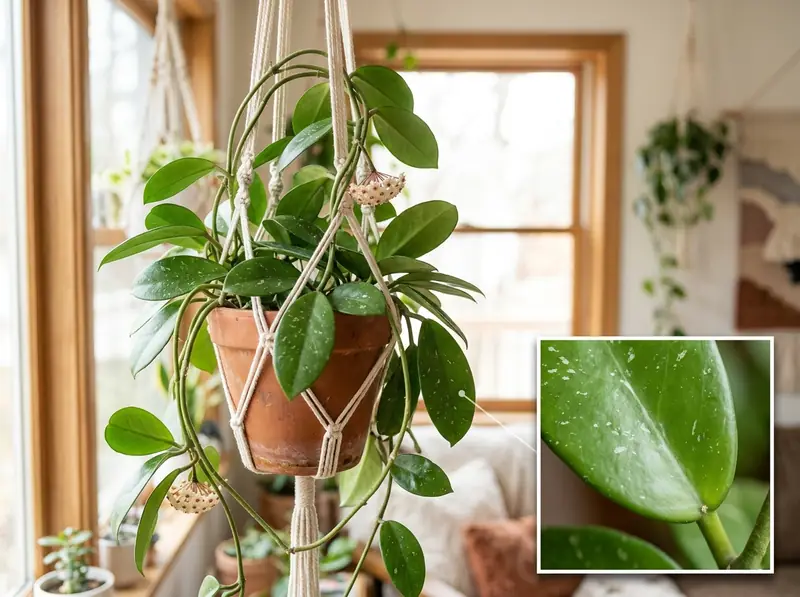
Hoya crassipetiolata is a climbing hoya with large, thick leaves on stout stalks, sometimes flecked with silver, and round clusters of flowers. It is fairly easy if kept warm, bright, and not overwatered.
Saving is free with a KinClub account, and it works here and in the KinClub app. Sign up free
Care profile
- Light
- Bright, indirect lightLow → direct sun
- Water
- Dry to moderate wateringAbout every 10 days
- Difficulty
- ModerateTricky → easy
- Coldest it tolerates
- 60°F
- Humidity
- Medium
- Mature size
- Medium to largeSmall → tree-size
- Growth rate
- Moderate
- How common
- EnthusiastRare → everywhere
- Plant family
- Apocynaceae
Pets and toxicity
Cats and dogs: not yet checked
Not yet checked against ASPCA — don't assume it's safe for pets.
No toxicity source on record for this plant yet. If a pet eats any houseplant, call your vet or an animal poison helpline.
How to care for Crassipetiolata Hoya
Light
Bright indirect light, such as an east window, brings out stronger leaf color and flowers. Hot afternoon sun can scorch the large leaves.
Watering
Water when the top two inches of soil are dry, about every 10 days in the growing season, and every 2-3 weeks in winter. The thick leaf stalks store water, so err on the dry side.
Soil
Use a chunky, well-draining mix of orchid bark, perlite, and a little potting soil. A pot with drainage holes is essential.
Feeding
Feed every 4 weeks in spring and summer with a half-strength balanced fertilizer. Skip in winter.
Repotting
Repot every 2 years in spring, going up one pot size. It flowers best when slightly root-bound.
Propagation
Root 2-3 node stem cuttings in water or moist perlite in a warm, bright spot. It roots in a few weeks.
Common problems
- Yellow, soft leaves and wrinkled or mushy stems mean overwatering or a dense mix: let the pot dry more and repot into chunky bark mix.
- Wrinkled, limp leaves mean the plant is thirsty: give a deep soak, then let it drain.
- No flowers usually means not enough light: move to brighter light, and do not cut off the old flower stalks (peduncles), since they rebloom.
- Cold drafts and chilly nights cause leaf drop and blotching: keep it above about 60F.
Similar plants
Same light needs and difficulty.
 AI-generated
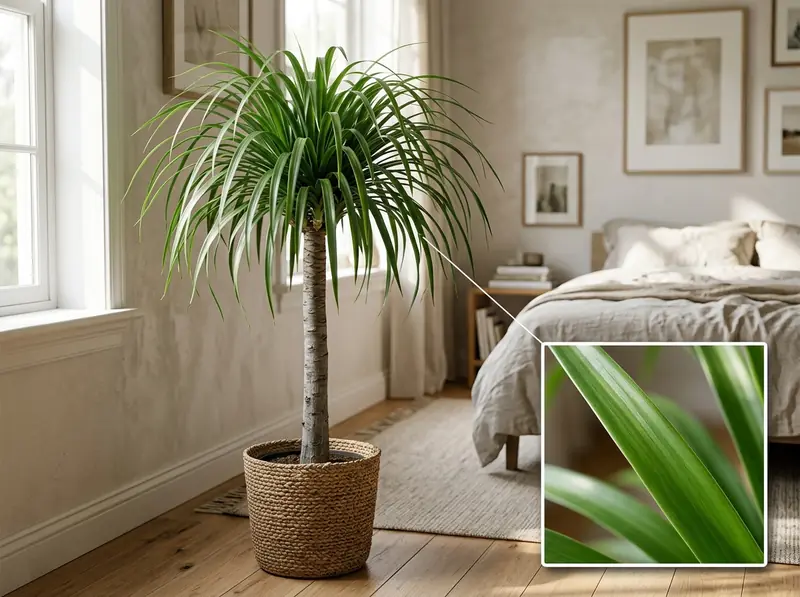
Umbrella Dracaena
Dracaena umbraculifera
- Medium to bright, indirect light
- Moderate watering
Toxic to cats and dogs AI-generated
 AI-generated
 AI-generated