
 AI-generated
Cretan Brake Fern
Pteris cretica
Also known as Pteris trifolia
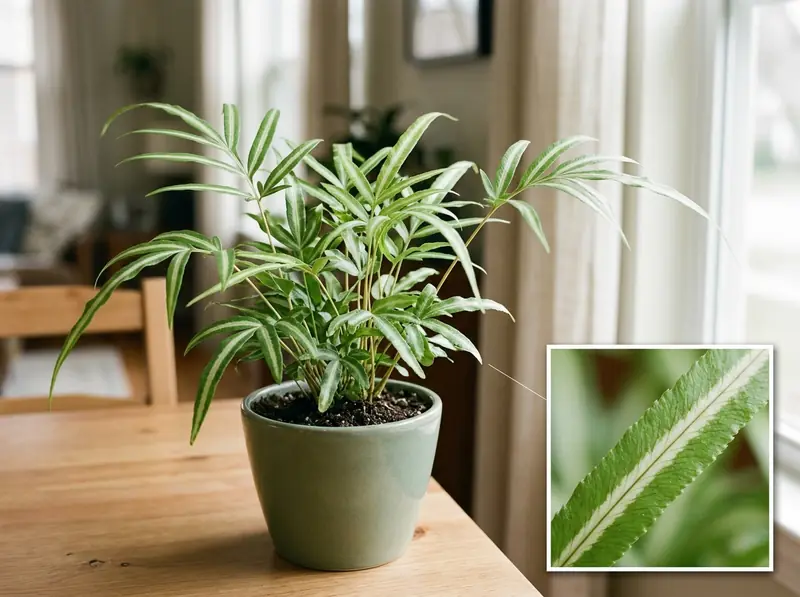
Cretan brake fern is a compact fern with arching, ribbon-like fronds, often with a pale central stripe in variegated types. It is one of the easier ferns indoors, since it handles average home humidity better than most. Keep the soil evenly moist and out of direct sun, and it stays tidy for years.
Saving is free with a KinClub account, and it works here and in the KinClub app. Sign up free
Care profile
- Light
- Bright, indirect lightLow → direct sun
- Water
- Keep moistAbout every 5 days
- Difficulty
- ModerateTricky → easy
- Coldest it tolerates
- 50°F
- Humidity
- Medium to high
- Mature size
- Small to mediumSmall → tree-size
- Growth rate
- Moderate
- How common
- Very commonRare → everywhere
- Plant family
- Pteridaceae
Pets and toxicity
Cats and dogs: not yet checked
Not yet checked against ASPCA — don't assume it's safe for pets.
Source: ASPCA toxic and non-toxic plants. If a pet eats any houseplant, call your vet or an animal poison helpline.
How to care for Cretan Brake Fern
Light
Give bright, indirect light, such as a spot near an east window or a few feet back from a south or west one. Avoid direct midday sun, which scorches the fronds. It tolerates medium light but grows more slowly there.
Watering
Keep the soil evenly damp but never soggy, usually watering when the top half inch feels barely dry, about every 4-7 days in the growing season. Water less often in winter, and never let the root ball dry out completely.
Soil
Use a peat- or coir-based potting mix with some perlite or bark added, so it holds moisture but still drains freely. Use a pot with drainage holes.
Feeding
Feed every 4-6 weeks in spring and summer with a balanced liquid fertilizer diluted to half strength. Skip feeding in fall and winter.
Repotting
Repot every 1-2 years in spring when roots fill the pot or poke out of the drainage holes. Move up only one pot size, about 1-2 inches wider, or divide the clump.
Propagation
Divide the clump in spring, making sure each piece has several fronds and healthy roots, then pot up and keep moist. Growing from spores is possible but slow.
Common problems
- Brown, crispy frond tips: air is too dry or soil dried out; water more consistently and raise humidity with a pebble tray or grouping plants.
- Yellowing fronds: usually overwatering or poor drainage; let the top of the soil dry slightly and check that the drainage holes are open.
- Scale or mealybugs on stems: wipe off with rubbed alcohol on a cotton swab, then treat with insecticidal soap every 7-10 days.
- Ragged old fronds: trim them at the base to encourage fresh growth.
- Bleached or scorched fronds: move out of direct sun to a brighter but filtered location.
Similar plants
Same light needs and difficulty.
 AI-generated
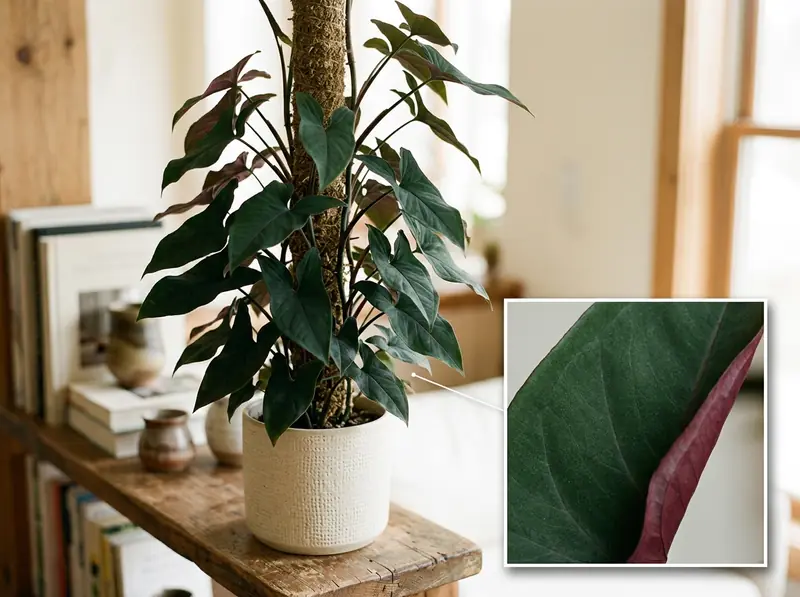
Llano Carti Road Syngonium
Syngonium erythrophyllum 'Llano Carti Road'
- Bright, indirect light
- Moderate watering
Pets: not yet checked AI-generated
 AI-generated
 AI-generated