
 AI-generated
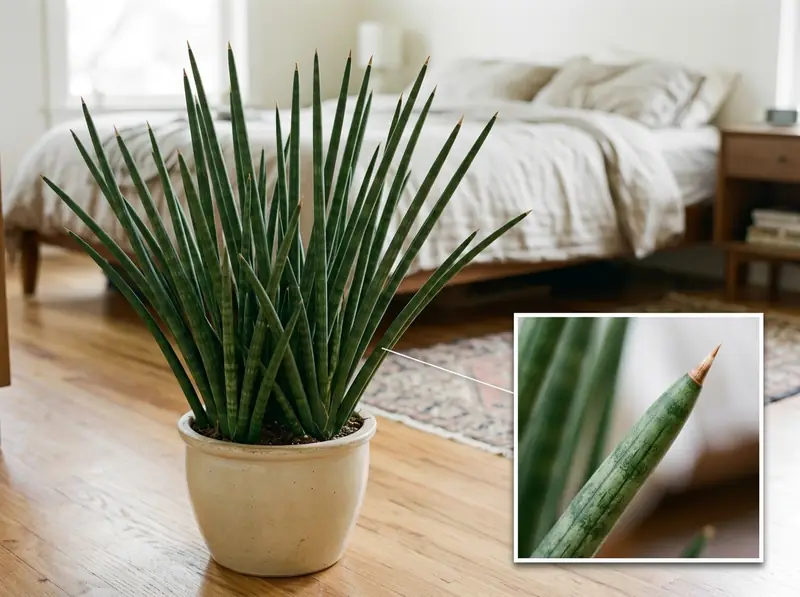
Cylindrical Snake Plant (Sansevieria)
Sansevieria cylindrica
Cylindrical snake plant has stiff, round, spear-like green leaves that rise from the base and can be braided or fanned. It is very tough and slow growing, and does best with bright light and infrequent watering. Let the soil dry completely between drinks, because overwatering is the main cause of failure.
Saving is free with a KinClub account, and it works here and in the KinClub app. Sign up free
Care profile
- Light
- Low to bright, indirect lightLow → direct sun
- Water
- Let it dry outAbout every 21 days
- Difficulty
- EasyTricky → easy
- Coldest it tolerates
- 50°F
- Humidity
- Low
- Mature size
- Medium to largeSmall → tree-size
- Growth rate
- Slow
- How common
- Very commonRare → everywhere
- Plant family
- Asparagaceae
Pets and toxicity
Toxic to cats
Keep away from cats. Call your vet or a pet poison helpline if a cat chews it.
Toxic to dogs
Keep away from dogs. Call your vet or a pet poison helpline if a dog chews it.
Source: ASPCA toxic and non-toxic plants. If a pet eats any houseplant, call your vet or an animal poison helpline.
How to care for Cylindrical Snake Plant (Sansevieria)
Light
Give it bright light, including a few hours of direct morning sun if possible. It tolerates medium light but grows slowly and leans there.
Watering
Water thoroughly only when the soil is completely dry, about every 2 to 4 weeks in summer. In winter, water only once every 4 to 8 weeks, or less.
Soil
Use a gritty cactus or succulent mix, ideally with extra perlite or coarse sand added. Choose a pot with drainage holes, and a heavy one such as terracotta to prevent tipping.
Feeding
Feed with a half-strength balanced fertilizer or cactus food about once a month in spring and summer. Do not feed in autumn and winter.
Repotting
Repot only every 2 to 3 years, when roots crowd the pot or push it out. Use a sturdy pot only one size larger, in spring.
Propagation
Separate pups or offsets with roots attached at repotting time. Leaf cuttings 3 to 4 inches long, dried for a few days, can be rooted in gritty mix but take many weeks.
Common problems
- Soft, mushy leaf bases from overwatering: stop watering, remove rotted tissue, and repot into dry gritty mix if the roots are rotten.
- Brown, wrinkled leaf tips from long drought: soak the pot thoroughly, then return to watering only when the soil is fully dry.
- Mealybugs in leaf crevices appear as white cottony spots: dab with rubbing alcohol on a cotton swab and repeat weekly until clear.
- Leaning or floppy growth from low light: move to a brighter spot and rotate the pot regularly.
Similar plants
Same light needs and difficulty.
 AI-generated
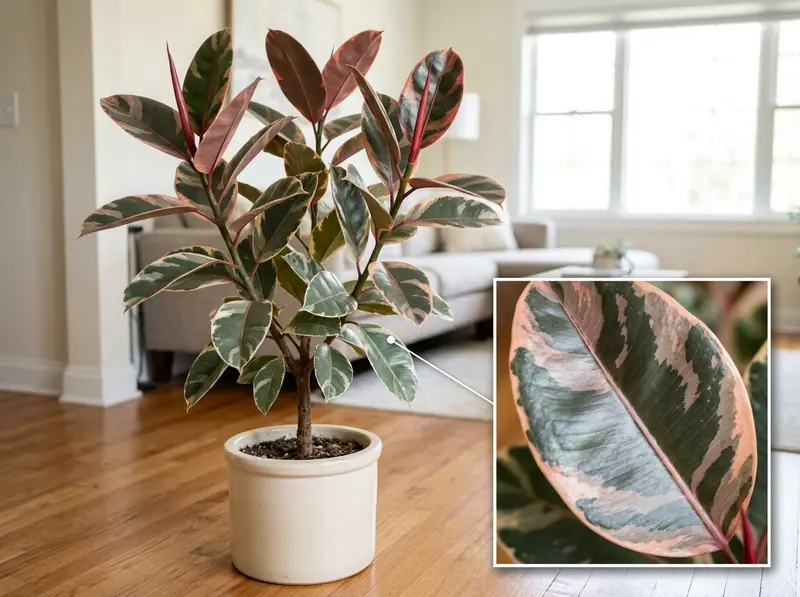
Ruby Rubber Plant
Ficus elastica 'Ruby'
- Bright, indirect light
- Moderate watering
Toxic to cats and dogs AI-generated
 AI-generated
Chinese Money Plant
Pilea peperomioides
- Bright, indirect light
- Dry to moderate watering
Pets: not yet checked AI-generated
Christmas Cactus
Schlumbergera × buckleyi
- Bright, indirect light
- Moderate watering
Pets: not yet checked