
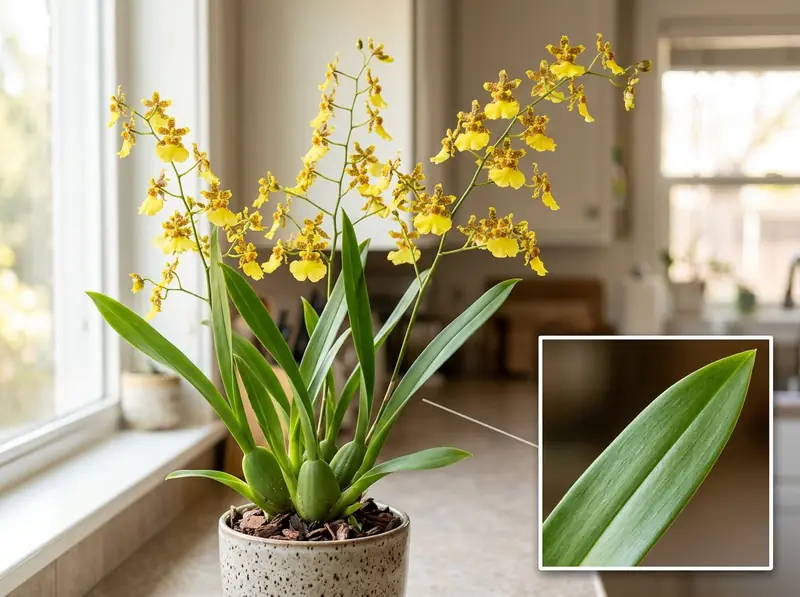
 AI-generated
Dancing Lady Orchid
Oncidium hybrids
Also known as Dancing Doll Orchid, Oncidium flexuosum
Dancing Lady orchids produce sprays of small, ruffled, often yellow and brown flowers that look like dancing skirts, and they're often easier to rebloom than many orchids. They like bright, indirect light, a chunky bark mix, and weekly watering when the top of the mix dries. Give them cooler nights in fall to encourage flower spikes.
Saving is free with a KinClub account, and it works here and in the KinClub app. Sign up free
Care profile
- Light
- Bright, indirect lightLow → direct sun
- Water
- Moderate wateringAbout every 7 days
- Difficulty
- ModerateTricky → easy
- Coldest it tolerates
- 55°F
- Humidity
- Medium
- Mature size
- MediumSmall → tree-size
- Growth rate
- Slow to moderate
- How common
- Very commonRare → everywhere
- Plant family
- Orchidaceae
Pets and toxicity
Non-toxic to cats
Listed as non-toxic to cats by the ASPCA.
Non-toxic to dogs
Listed as non-toxic to dogs by the ASPCA.
Source: ASPCA toxic and non-toxic plants. If a pet eats any houseplant, call your vet or an animal poison helpline.
How to care for Dancing Lady Orchid
Light
Give bright, indirect light, such as an east window or a south or west window with a sheer curtain. Leaves should be light to medium green; dark green means too little light.
Watering
Water thoroughly when the top inch of bark mix has dried, about once a week in the growing season, and let it drain fully. Water less in winter and never leave the pot standing in water. Pseudobulbs that wrinkle mean it needs a drink.
Soil
Use a chunky orchid mix of fir bark, perlite and a little sphagnum or charcoal, in a pot with plenty of drainage holes. Avoid regular potting soil, which stays too wet and suffocates the roots.
Feeding
Feed with a balanced orchid fertilizer diluted to quarter or half strength every two weeks while growing, or with every watering at very weak strength. Flush the pot with plain water monthly to prevent salt build-up.
Repotting
Repot every 1-2 years, when the bark breaks down or the pseudobulbs crowd over the pot edge, ideally as new growth begins. Keep the oldest pseudobulbs near the pot edge, with space for new growth.
Propagation
Divide large plants at repotting, leaving at least three or four pseudobulbs in each division. Keep them lightly moist and humid until new roots form.
Common problems
- Leaves turn dark green and no flowers form: move to a brighter spot with more indirect light.
- Shriveled pseudobulbs: check for rotted roots and trim them, or water more often if the mix is dry.
- Buds drop before opening: avoid drafts, sudden temperature changes, and dry air near heaters.
- Sticky residue or white cottony bits on leaves: wipe with alcohol-dipped cotton swabs and treat repeatedly.
- Brown leaf tips: use rainwater or low-mineral water and flush the mix regularly.
Similar plants
Same light needs and difficulty.
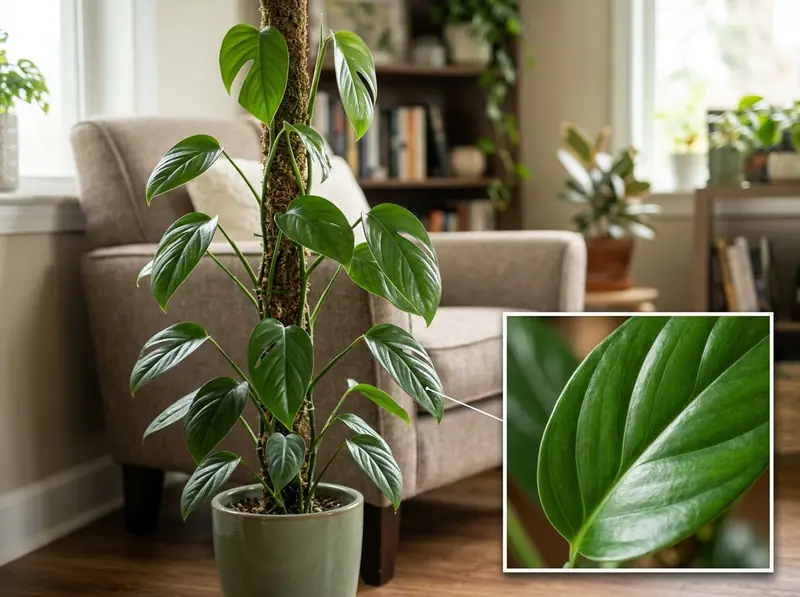 AI-generated
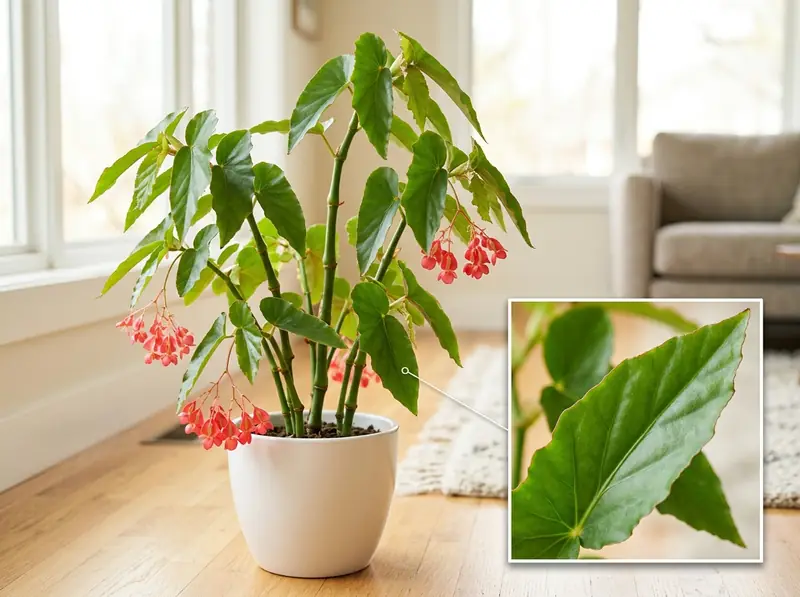 AI-generated
 AI-generated
 AI-generated