
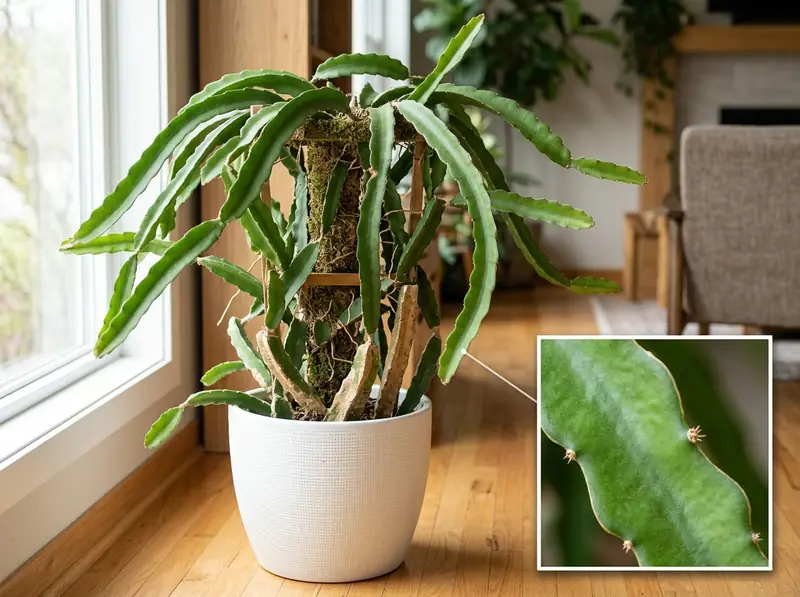
 AI-generated
Dragon Fruit
Selenicereus undatus
Also known as Night Blooming Cereus, Queen of the Night, Pitaya, Honolulu Queen, Hylocereus undatus
Dragon fruit is a fast-growing climbing cactus with thick, three-sided green stems that needs a stake or trellis. Give it lots of sun and a fast-draining mix, and let it dry out between waterings. Indoors it grows well, but flowers and fruit take several years and very bright light.
Saving is free with a KinClub account, and it works here and in the KinClub app. Sign up free
Care profile
- Light
- Direct sunLow → direct sun
- Water
- Dry to moderate wateringAbout every 10 days
- Difficulty
- Easy to moderateTricky → easy
- Coldest it tolerates
- 40°F
- Humidity
- Medium
- Mature size
- LargeSmall → tree-size
- Growth rate
- Fast
- How common
- CommonRare → everywhere
- Plant family
- Cactaceae
Pets and toxicity
Non-toxic to cats
Listed as non-toxic to cats by the ASPCA.
Non-toxic to dogs
Listed as non-toxic to dogs by the ASPCA.
Source: ASPCA toxic and non-toxic plants. If a pet eats any houseplant, call your vet or an animal poison helpline.
How to care for Dragon Fruit
Light
Give 6 or more hours of bright light, including some direct sun, such as a south- or west-facing window. Introduce direct sun gradually over 1-2 weeks to avoid scorch, and add a grow light in winter if needed.
Watering
Water thoroughly when the top 2 inches of soil are dry, roughly every 7-14 days in the growing season. Let excess drain away. Cut back to about once a month in winter.
Soil
Use a fast-draining cactus or succulent mix, with extra perlite or pumice added (about one part in three). Choose a pot with drainage holes.
Feeding
Feed every 2-4 weeks from spring to late summer with a balanced fertilizer at half strength, or a cactus fertilizer. Stop feeding in fall and winter.
Repotting
Repot every 2-3 years in spring, or when roots fill the pot, moving up 2 inches in diameter. Use a heavy pot that won't tip under the weight of a trellis.
Propagation
Take a 9-12 inch stem cutting, let the cut end dry and callus for 3-7 days, then plant it in dry cactus mix. Water lightly once it begins to root in 2-4 weeks.
Common problems
- Soft, mushy stem base from root rot: cut away the rotted parts, let the cutting callus and replant in fresh dry mix.
- Thin, pale, stretched growth: move to a brighter spot or add a grow light.
- Yellowing or scorched stems: acclimate to direct sun gradually and shade it from harsh midday sun through glass.
- No flowers: mature plants (often 3+ years old) need strong light and a cooler, drier winter rest to bloom.
- Mealybugs or scale on the ridges: dab with rubbing alcohol on a cotton swab and repeat weekly until gone.
Similar plants
Same light needs and difficulty.
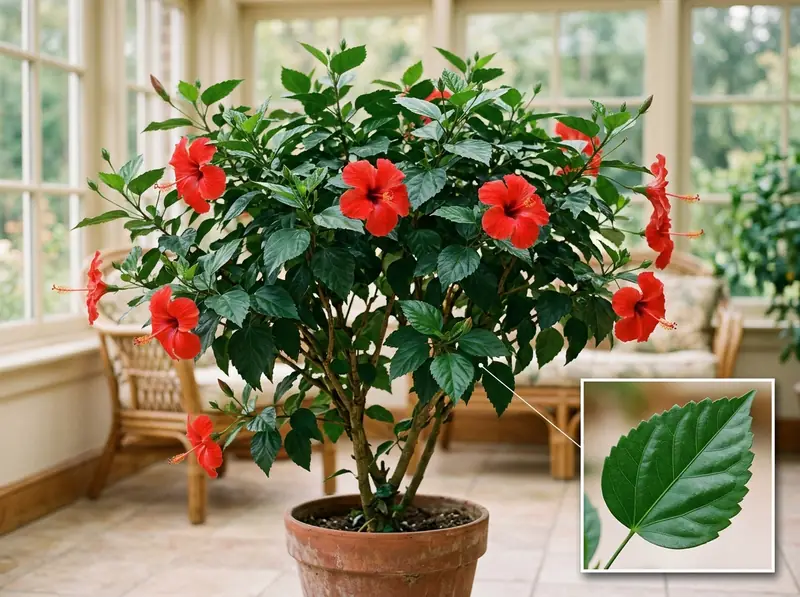 AI-generated
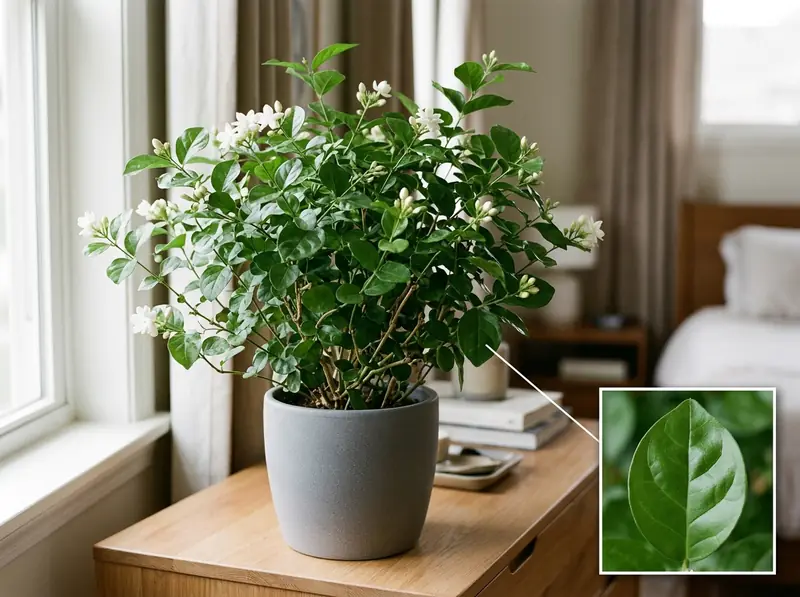 AI-generated
 AI-generated
 AI-generated