
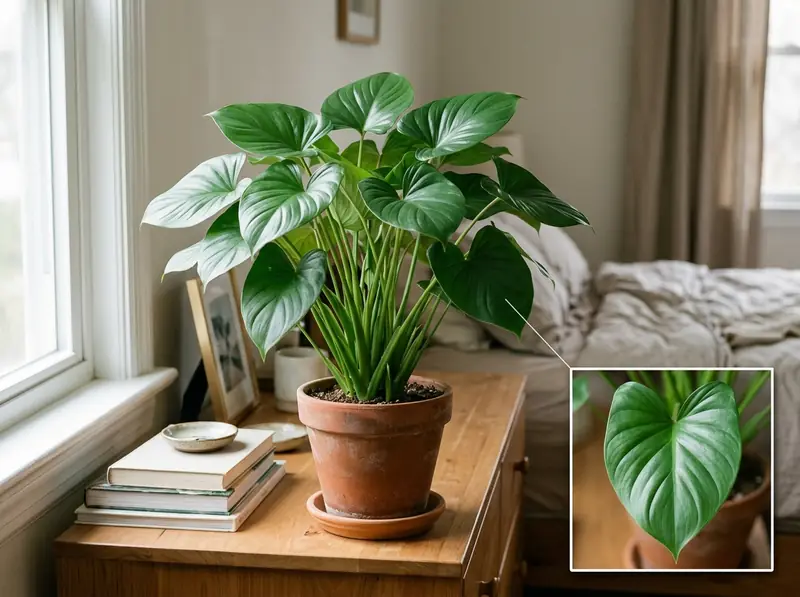
 AI-generated
Emerald Gem Homalomena
Homalomena 'Emerald Gem'
Emerald gem homalomena is a compact aroid with heart-shaped, glossy, deep green leaves on upright stems. It is an easygoing plant for a bright room with steady humidity, and it grows into a full, lush clump over time.
Saving is free with a KinClub account, and it works here and in the KinClub app. Sign up free
Care profile
- Light
- Medium to bright, indirect lightLow → direct sun
- Water
- Moderate wateringAbout every 7 days
- Difficulty
- Easy to moderateTricky → easy
- Coldest it tolerates
- 55°F
- Humidity
- Medium to high
- Mature size
- MediumSmall → tree-size
- Growth rate
- Moderate
- How common
- EnthusiastRare → everywhere
Pets and toxicity
Cats and dogs: not yet checked
Not yet checked against ASPCA — don't assume it's safe for pets.
No toxicity source on record for this plant yet. If a pet eats any houseplant, call your vet or an animal poison helpline.
How to care for Emerald Gem Homalomena
Light
Bright indirect light from an east window, or a few feet back from a south or west window, keeps the leaves glossy and compact. It tolerates medium light but grows slowly, and direct sun scorches the leaves.
Watering
Water when the top inch of soil is dry, about once a week in the growing season, and a little less in winter. It likes even moisture but does not like standing water.
Soil
Use a rich, well-draining aroid mix, such as potting soil with orchid bark and perlite. A pot with drainage holes is a must.
Feeding
Feed monthly in spring and summer with a balanced liquid fertilizer at half strength. Stop in winter.
Repotting
Repot every 1-2 years in spring, when roots fill the pot. Move up one size only.
Propagation
Divide clumps at repotting, keeping roots on each section, or root stem sections with a node in moist mix. Division is more reliable.
Common problems
- Brown leaf edges mean dry air or irregular watering: raise humidity and water more evenly.
- Yellow lower leaves usually mean overwatering: let the top inch dry out between drinks.
- Fine webbing and stippled leaves are spider mites: wipe with soapy water and rinse, and raise humidity.
- Leggy, dull growth means too little light: move closer to a bright window.
Similar plants
Same light needs and difficulty.
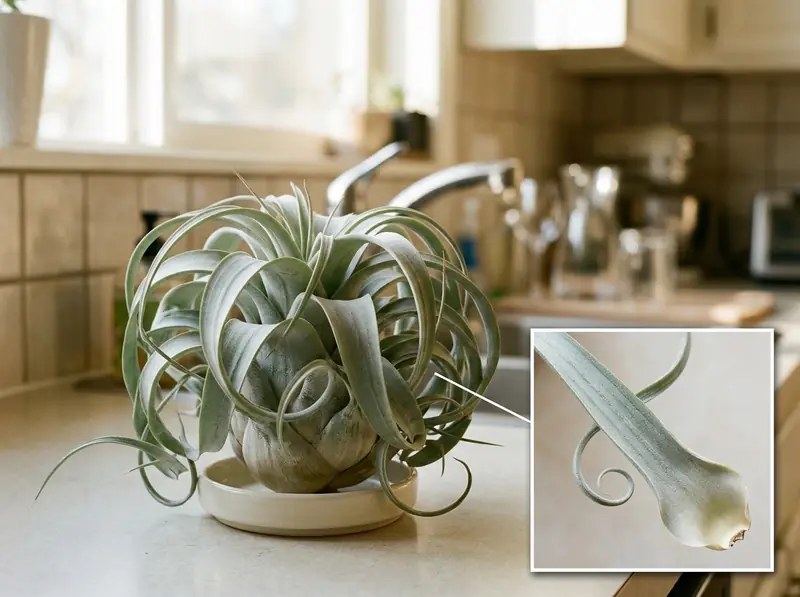 AI-generated
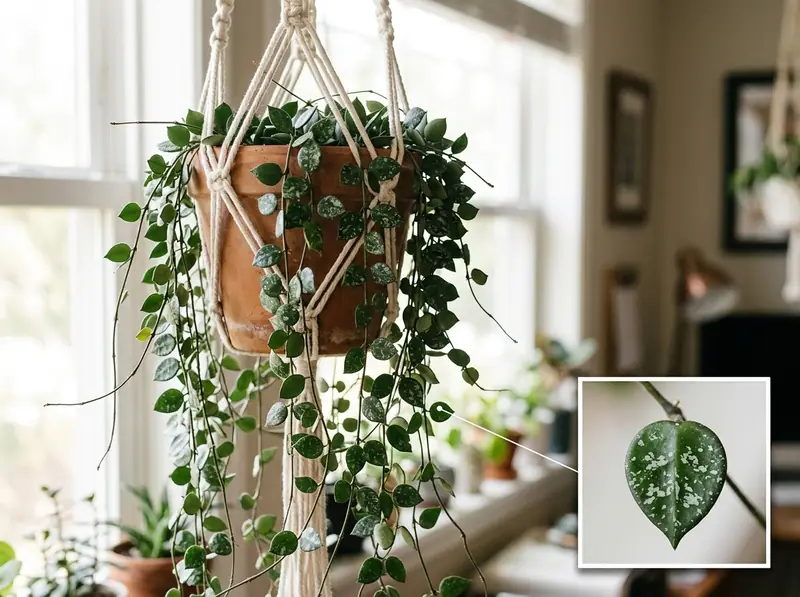 AI-generated
 AI-generated
 AI-generated