
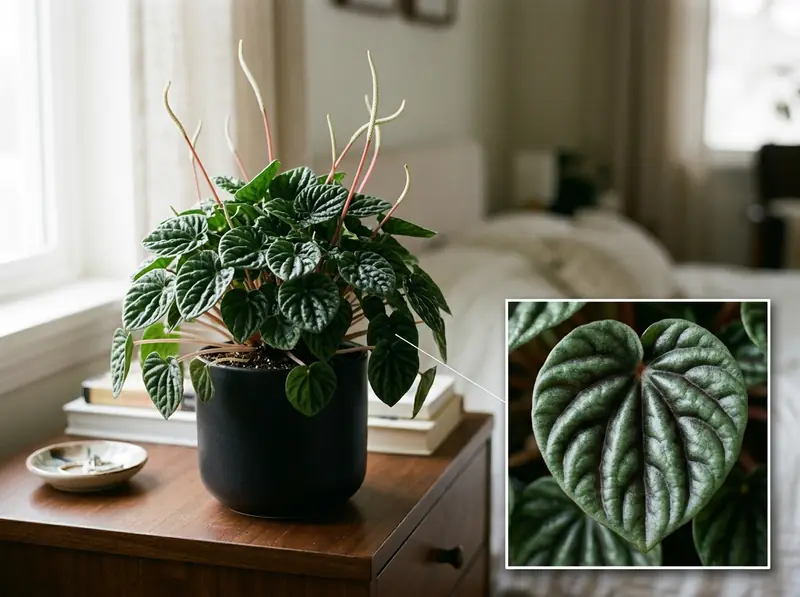
 AI-generated
Emerald Ripple Peperomia
Peperomia caperata
Also known as Green Ripple Peperomia, Little Fantasy Peperpmia, Little Fantasy Peperomia, Metallic Peperomia, Silver Heart
Emerald Ripple Peperomia is a compact, slow-growing plant with deeply ridged, dark green heart-shaped leaves and small white flower spikes. It suits desks and shelves and is forgiving for beginners. The main rule is to let the soil dry between waterings, since overwatering is the usual cause of failure.
Saving is free with a KinClub account, and it works here and in the KinClub app. Sign up free
Care profile
- Light
- Medium lightLow → direct sun
- Water
- Dry to moderate wateringAbout every 10 days
- Difficulty
- EasyTricky → easy
- Coldest it tolerates
- 50°F
- Humidity
- Medium
- Mature size
- SmallSmall → tree-size
- Growth rate
- Slow
- How common
- Very commonRare → everywhere
- Plant family
- Piperaceae
Pets and toxicity
Non-toxic to cats
Listed as non-toxic to cats by the ASPCA.
Non-toxic to dogs
Listed as non-toxic to dogs by the ASPCA.
Source: ASPCA toxic and non-toxic plants. If a pet eats any houseplant, call your vet or an animal poison helpline.
How to care for Emerald Ripple Peperomia
Light
Give it medium to bright indirect light, such as a spot a few feet from an east or north window. It tolerates fairly dim rooms but grows more compactly with brighter light; avoid direct midday sun.
Watering
Water thoroughly when the top 1 to 2 inches of soil are dry, about every 10 to 14 days in summer and every 2 to 3 weeks in winter. Its thick leaves store water, so it is safer to be a little dry than too wet.
Soil
Use a light, airy, well-draining mix, such as standard houseplant mix with about one-third perlite or orchid bark. Always use a pot with drainage holes.
Feeding
Feed monthly in spring and summer with a balanced houseplant fertilizer diluted to half strength. Skip feeding in fall and winter.
Repotting
Repot only every 2 to 3 years, in spring, when roots fill the pot. Choose a pot just 1 inch wider, since it has a small root system and likes being snug.
Propagation
Take a leaf with about 1 inch of stem in spring or summer and plant it in moist, light mix, or root it in water. Keep it warm and bright; new plantlets form at the base in 4 to 8 weeks.
Common problems
- Drooping, mushy stems: caused by overwatering or root rot; let the soil dry, trim rotted roots, and repot in fresh mix.
- Curling, dull, wrinkled leaves: usually underwatering; soak the pot thoroughly and return to a steady schedule.
- Leggy growth with small leaves: too little light; move it to a brighter spot.
- Fine webbing or speckled leaves: spider mites; wipe leaves, rinse the plant, and treat with insecticidal soap weekly.
- Leaf drop in cold drafts: keep it above 50°F and away from cold windows and vents.
Similar plants
Same light needs and difficulty.
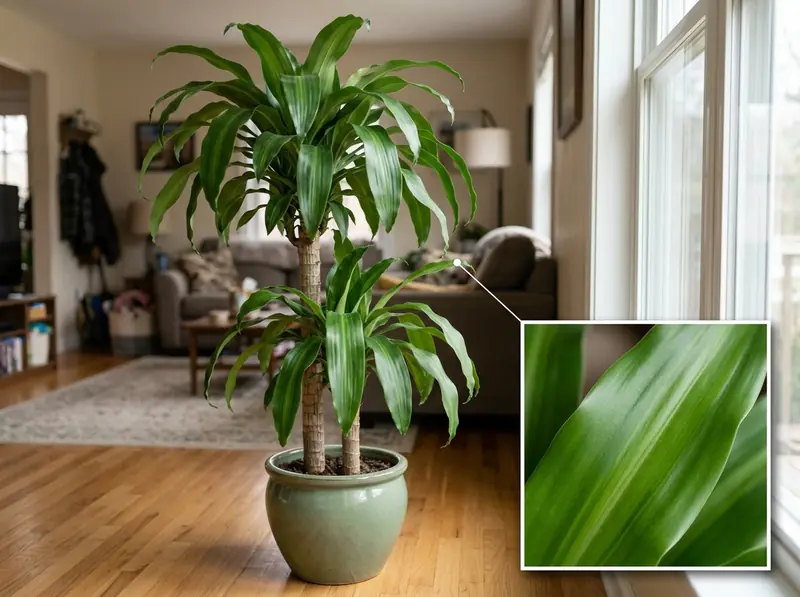 AI-generated
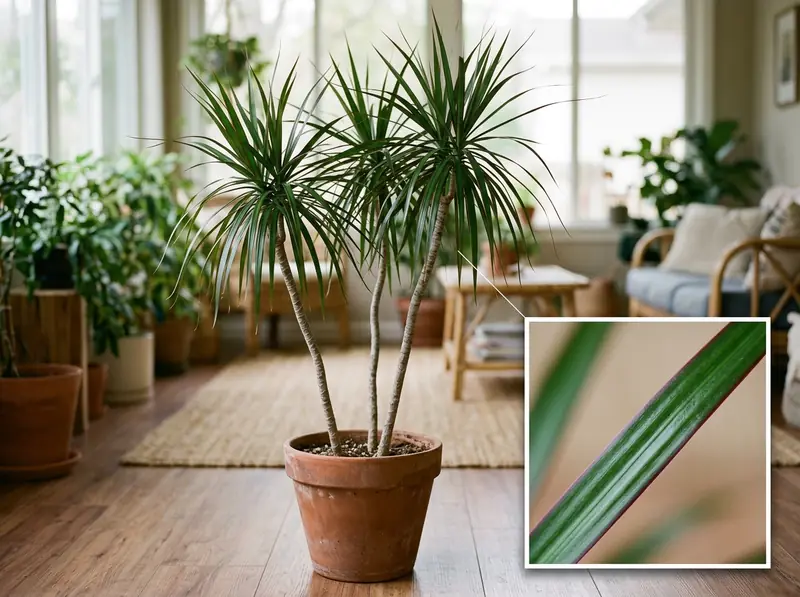 AI-generated
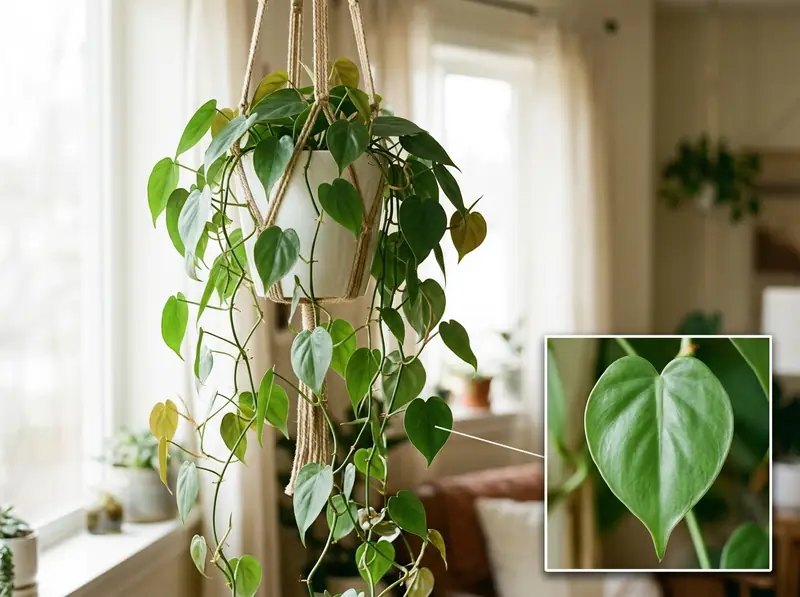 AI-generated
Heartleaf Philodendron
Philodendron hederaceum
- Low to medium light
- Moderate watering
Toxic to cats and dogs AI-generated