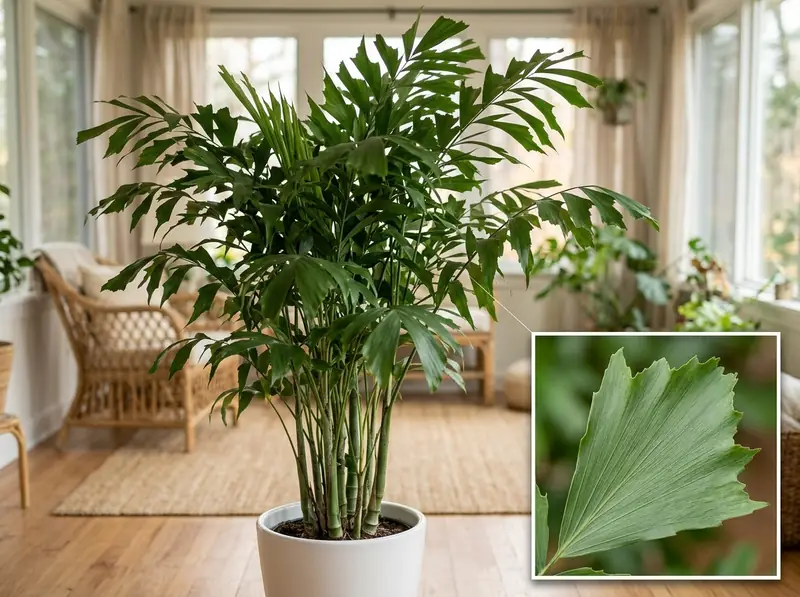
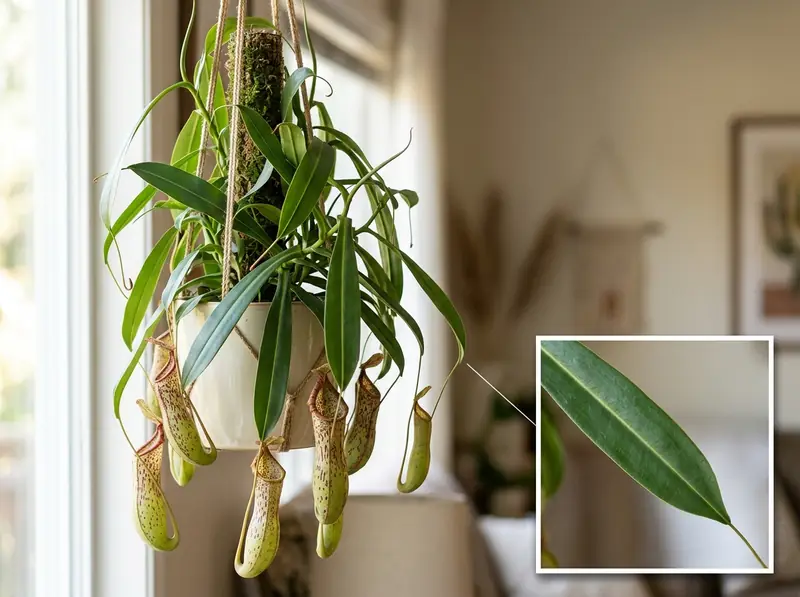
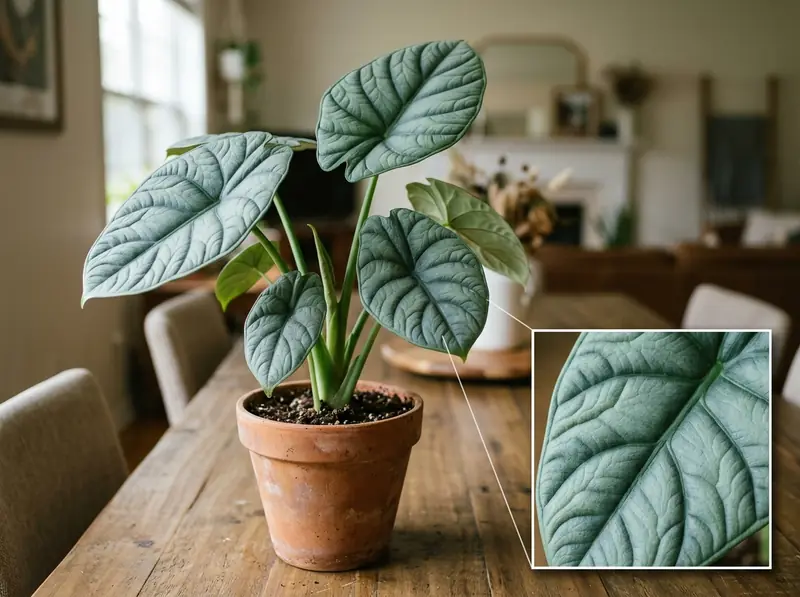
AI-generated image, not a photograph of this plant. Real plants look different depending on light, soil, temperature and age.
ArecaceaeCommon in stores
Fishtail Palm
Caryota mitis
Fishtail palm has distinctive, wedge-shaped leaflets that look like fish tails on arching, feathery fronds. Indoors it makes a graceful floor plant, growing 6 feet or more in bright, indirect light with steady moisture and some humidity. Keep it out of drafts and hot sun.
Pets: not yet checked
💡
Saving is free with a KinClub account, and it works here and in the KinClub app. Sign up free
🪴 Care profile
Light
Bright, indirect lightLow → direct sun
Water
Moderate to moist wateringAbout every 7 days
Difficulty
ModerateTricky → easy
Coldest it tolerates
50°F
Humidity
Medium to high
Mature size
Tree-sizeSmall → tree-size
Growth rate
Moderate
How common
CommonRare → everywhere
Plant family
Arecaceae
🐾 Pets and toxicity
Cats and dogs: not yet checked
Not yet checked against ASPCA — don't assume it's safe for pets.
No toxicity source on record for this plant yet. If a pet eats any houseplant, call your vet or an animal poison helpline.
🌿 How to care for Fishtail Palm
Light
Give it bright, indirect light near an east or lightly shaded south or west window. It tolerates some gentle morning sun but scorches in hot midday sun.
Watering
Water thoroughly when the top inch of soil feels dry, about once a week in summer, until water drains out. Empty the saucer, and water less often in winter so the soil never stays soggy.
Soil
Use a well-draining, peat- or coir-based potting mix with some perlite or bark added (about one part in four). The pot must have drainage holes.
Feeding
Feed every 4 weeks in spring and summer with a balanced liquid fertilizer at half strength, ideally one with micronutrients such as magnesium and manganese. Skip feeding in winter.
Repotting
Repot every 2 to 3 years in spring, only when roots fill the pot, moving up 2 inches in diameter. Handle roots gently because palms resent disturbance.
Propagation
Divide offsets (suckers) from the base of an established clump in spring, making sure each has its own roots. Seed is possible but slow and needs warmth.
Common problems
Brown leaf tips from dry air or salt buildup: flush the soil with water every few months and mist or use a humidifier.
Yellowing lower fronds: often overwatering or age, so check that the soil drains and remove only fully yellow fronds.
Spider mites (fine webbing, stippled leaflets): rinse the ffronds and wipe them with insecticidal soap weekly until they're gone.
Pale, yellow-streaked new growth from nutrient deficiency: use a palm fertilizer containing magnesium and manganese.
Leaflets browning after moves or drafts: keep it away from heaters and cold windows, and avoid frequent relocation.

 AI-generated
 AI-generated
 AI-generated
 AI-generated
 AI-generated