AI-generated image, not a photograph of this plant. Real plants look different depending on light, soil, temperature and age.
RubiaceaeVery common in stores
Gardenia
Gardenia jasminoides
Also known as Cape Jasmine
Gardenia is a glossy-leaved shrub grown for its fragrant, creamy white flowers. It is a demanding houseplant that wants bright light, steady moisture, high humidity and acidic soil. Once it is settled in a spot with stable conditions, it can bloom in late spring and summer.
Toxic to cats and dogs
💡
Saving is free with a KinClub account, and it works here and in the KinClub app. Sign up free
🪴 Care profile
Light
Bright, indirect lightLow → direct sun
Water
Keep moistAbout every 7 days
Difficulty
ChallengingTricky → easy
Coldest it tolerates
50°F
Humidity
High
Mature size
MediumSmall → tree-size
Growth rate
Moderate
How common
Very commonRare → everywhere
Plant family
Rubiaceae
🐾 Pets and toxicity
Toxic to cats
Keep away from cats. Call your vet or a pet poison helpline if a cat chews it.
Toxic to dogs
Keep away from dogs. Call your vet or a pet poison helpline if a dog chews it.
Give it bright light with a few hours of gentle morning sun, such as an east-facing window. Protect it from hot midday sun through glass, which can scorch the leaves.
Watering
Keep the soil evenly moist but never soggy, watering when the surface begins to feel slightly dry, about once a week. Use rainwater, distilled or filtered water if your tap water is hard.
Soil
Use an acidic, peat-based or ericaceous potting mix with added perlite or bark for drainage, at about pH 5.0 to 6.0. The pot must have drainage holes.
Feeding
Feed every 2 to 4 weeks in spring and summer with a fertilizer for acid-loving plants, diluted as the label directs. Stop or reduce feeding in winter.
Repotting
Repot every 2 to 3 years in spring, going up only one pot size (1 to 2 inches wider), as gardenias resent root disturbance. Use fresh acidic mix.
Propagation
Take 4 to 6 inch semi-ripe stem cuttings in summer, dip them in rooting hormone and set them in moist, light mix. Keep them warm and humid under a clear bag; rooting takes several weeks.
Common problems
Yellow leaves with green veins (iron chlorosis) come from alkaline soil or water: use acidic mix, water with rainwater or filtered water, and feed with a chelated iron or acid-plant fertilizer.
Flower buds drop before opening: avoid moving the plant, drafts, dry air and big temperature swings, and keep the soil evenly moist.
Sticky leaves or white cottony fluff mean sap-sucking pests such as mealybugs or scale: wipe with rubbing alcohol on a cotton swab or spray with insecticidal soap, repeating weekly.
Dry air in heated rooms causes brown leaf edges and bud drop: set the pot on a pebble tray or run a humidifier nearby, and keep it away from heaters and vents.

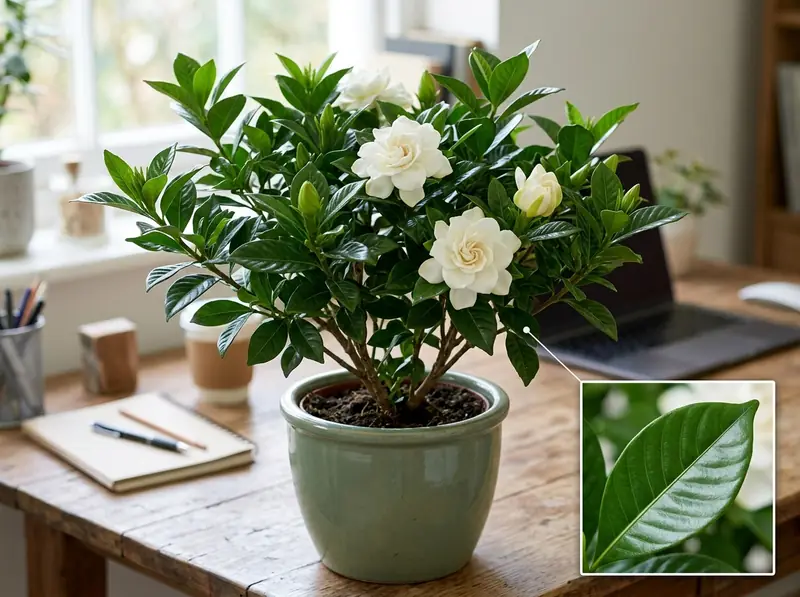 AI-generated
 AI-generated
 AI-generated
 AI-generated
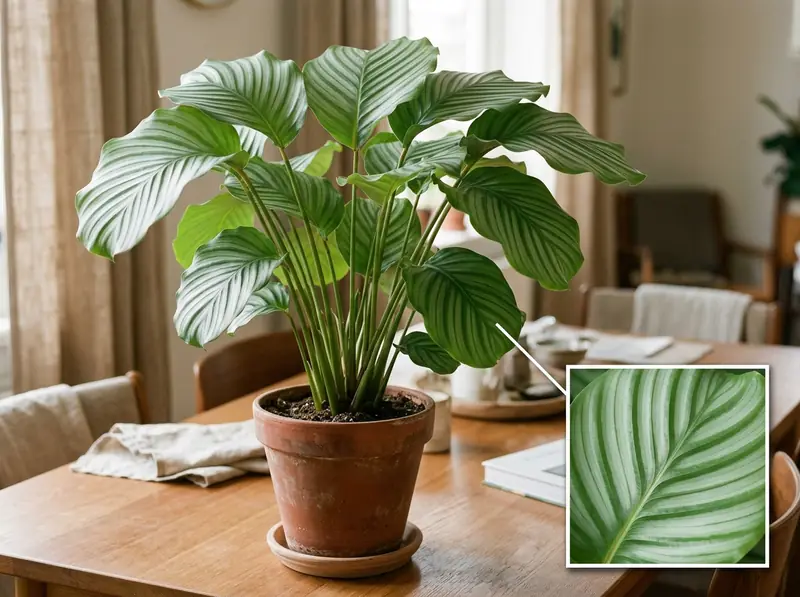 AI-generated