
 AI-generated
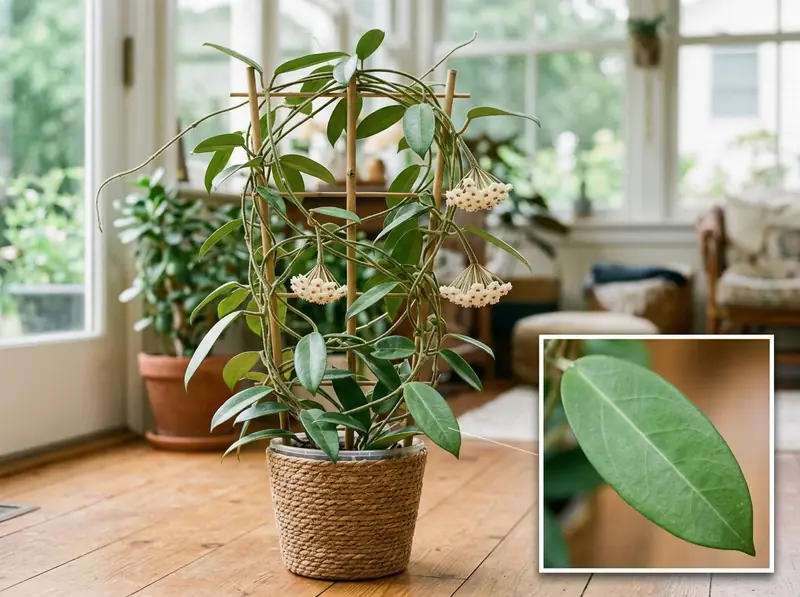
Globulosa Hoya
Hoya globulosa
Hoya globulosa is a vigorous climbing hoya with oval, slightly leathery leaves and clusters of creamy, fragrant flowers. It is easygoing about light and grows quickly on a support. Let the soil dry between waterings and it will reward you with blooms.
Saving is free with a KinClub account, and it works here and in the KinClub app. Sign up free
Care profile
- Light
- Bright, indirect lightLow → direct sun
- Water
- Let it dry outAbout every 10 days
- Difficulty
- ModerateTricky → easy
- Coldest it tolerates
- 55°F
- Humidity
- Medium to high
- Mature size
- LargeSmall → tree-size
- Growth rate
- Moderate
- How common
- EnthusiastRare → everywhere
- Plant family
- Apocynaceae
Pets and toxicity
Cats and dogs: not yet checked
Not yet checked against ASPCA — don't assume it's safe for pets.
No toxicity source on record for this plant yet. If a pet eats any houseplant, call your vet or an animal poison helpline.
How to care for Globulosa Hoya
Light
Bright, indirect light, such as an east window or a few feet back from a south or west window. Gentle morning sun is fine; harsh afternoon sun scorches the leaves.
Watering
Water thoroughly, then let the top inch or two of mix dry before watering again, about every 10 days in summer and every 2-3 weeks in winter. Empty the saucer.
Soil
Chunky, fast-draining mix: roughly equal parts orchid bark, perlite and a little potting soil or coco coir. Roots need air around them.
Feeding
Feed every 3-4 weeks in spring and summer with a balanced fertilizer at half strength; skip it in winter. A bloom-booster with more phosphorus helps flowering.
Repotting
Repot only every 2-3 years, in spring, when roots fill the pot. Go up one size at most, since hoyas bloom best slightly rootbound.
Propagation
Take a 4-6 inch stem cutting with at least two nodes. Root it in water, moist perlite or sphagnum moss; roots appear in 3-6 weeks.
Common problems
- Yellow, mushy leaves mean overwatering or a pot that holds water. Let it dry out and repot into a chunkier mix if the roots are brown.
- Cottony white clusters in the leaf joints are mealybugs. Dab them with rubbing alcohol on a cotton swab and repeat weekly.
- No flowers usually means too little light or pruned peduncles. Move it brighter and leave the old flower stalks in place.
Similar plants
Same light needs and difficulty.
 AI-generated
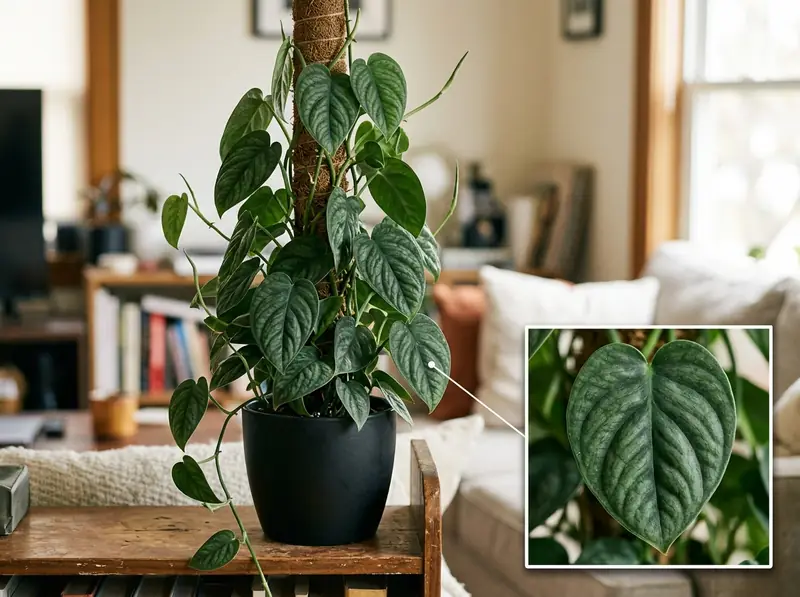
Mayari Scindapsus
Scindapsus mayari
- Medium to bright, indirect light
- Dry to moderate watering
Toxic to cats and dogs AI-generated
 AI-generated
 AI-generated