
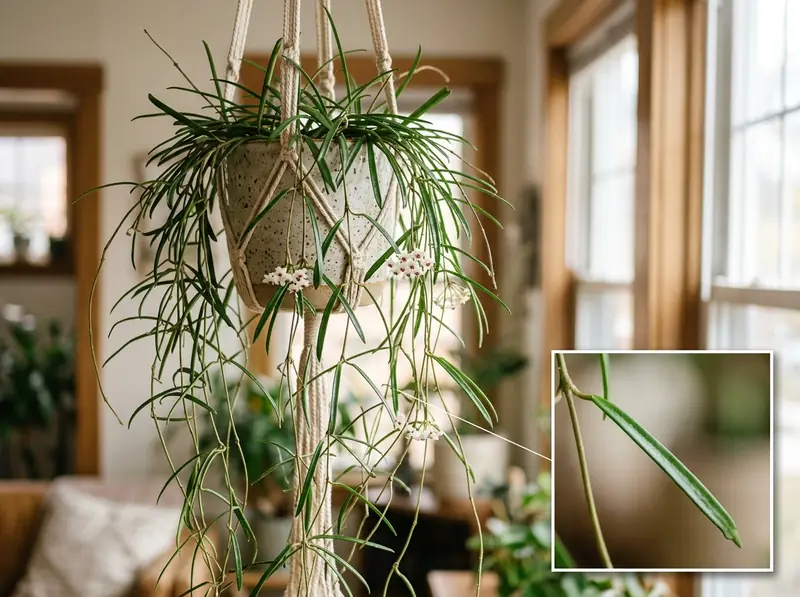
 AI-generated
Grass Leaf Hoya
Hoya retusa
Grass leaf hoya is a climbing or trailing vine with slender, pencil-like green leaves and clusters of small, fragrant white flowers with red centers. It suits a hanging basket or a small trellis in bright indirect light. Water only when the mix has dried out, and it is a fairly easy, slow-to-moderate grower.
Saving is free with a KinClub account, and it works here and in the KinClub app. Sign up free
Care profile
- Light
- Bright, indirect lightLow → direct sun
- Water
- Dry to moderate wateringAbout every 10 days
- Difficulty
- Easy to moderateTricky → easy
- Coldest it tolerates
- 55°F
- Humidity
- Medium
- Mature size
- MediumSmall → tree-size
- Growth rate
- Moderate
- How common
- CommonRare → everywhere
- Plant family
- Apocynaceae
Pets and toxicity
Cats and dogs: not yet checked
Not yet checked against ASPCA — don't assume it's safe for pets.
No toxicity source on record for this plant yet. If a pet eats any houseplant, call your vet or an animal poison helpline.
How to care for Grass Leaf Hoya
Light
Give bright indirect light, such as a spot near an east or lightly shaded south or west window. A few hours of gentle morning sun helps it flower, but avoid hot midday sun.
Watering
Water thoroughly when the soil is mostly dry, about every 7 to 14 days in the growing season. Let excess drain away, and water much less in winter, since the thin roots rot easily in wet soil.
Soil
Use a very fast-draining, airy mix, such as orchid bark, perlite, and a little potting mix or coco coir. It should never stay soggy.
Feeding
Feed every 2 to 4 weeks in spring and summer with a balanced fertilizer at half the label strength. Stop feeding in winter.
Repotting
Repot only every 2 to 3 years, when roots fill the pot. It blooms best slightly pot-bound, so move up just one size into a pot with drainage holes.
Propagation
Take stem cuttings with at least 2 nodes and 2 to 3 leaves. Root them in water or in moist perlite or sphagnum moss in a warm, bright spot, which takes about 3 to 6 weeks.
Common problems
- Leaves yellow and drop: usually overwatering or soggy soil. Let the mix dry out, and repot into a chunkier mix if the roots are brown and mushy.
- No flowers: usually too little light or a young plant. Move it to brighter indirect light and leave the old flower spurs in place.
- Cottony white clusters in leaf joints are mealybugs: dab them with rubbing alcohol on a cotton swab and repeat weekly until they are gone.
- Wrinkled, limp leaves: the plant is underwatered or its roots are damaged. Soak the pot thoroughly and check the roots for rot.
Similar plants
Same light needs and difficulty.
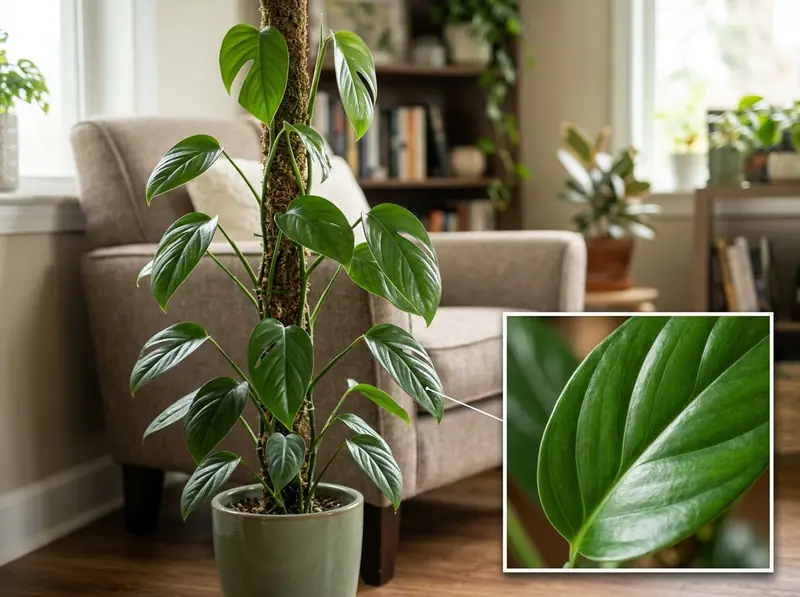 AI-generated
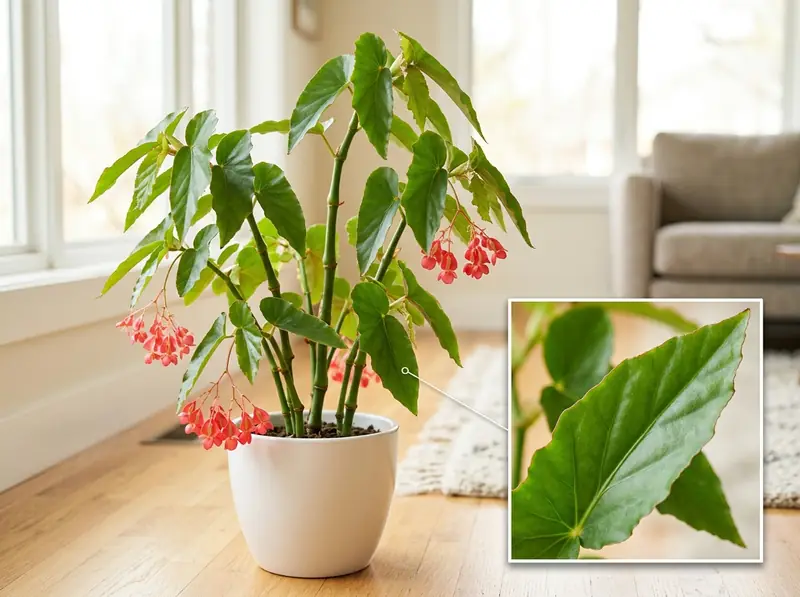 AI-generated
 AI-generated
 AI-generated