
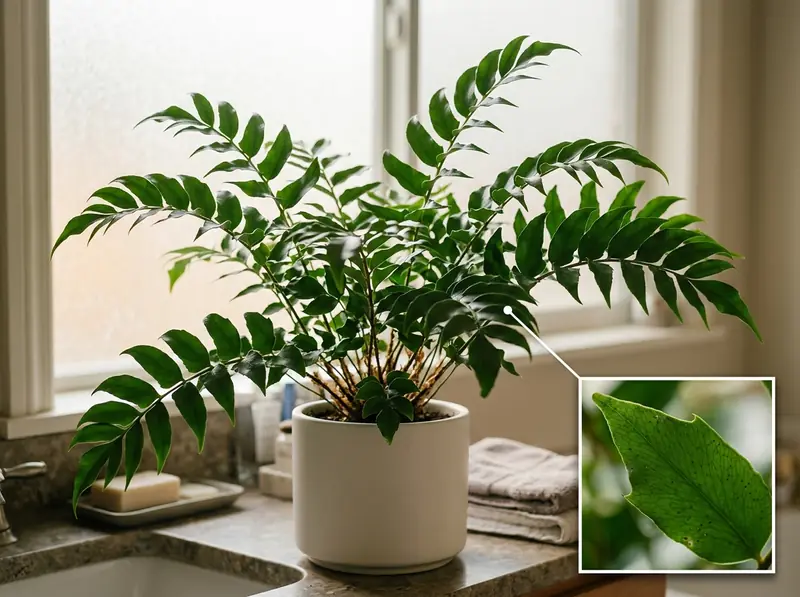
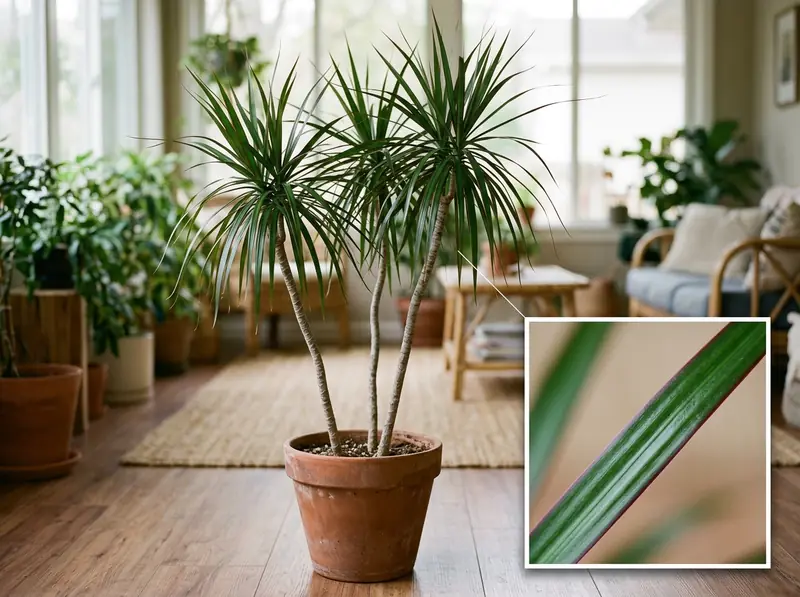
 AI-generated
Holly Fern
Cyrtomium falcatum
Also known as Aspidium falcatum, Fern Holly, Japanese Holly, Fish Tail, Fish Tail Fern, Fishtail Fern, Japanese Holly Fern, Polystichum Falcatum
Holly fern is a tough, easygoing fern with glossy, dark green, holly-shaped leaflets on arching fronds. It handles average home humidity and cooler rooms better than most ferns. Give it indirect light and evenly moist (not soggy) soil, and it will stay handsome for years.
Saving is free with a KinClub account, and it works here and in the KinClub app. Sign up free
Care profile
- Light
- Medium lightLow → direct sun
- Water
- Moderate wateringAbout every 7 days
- Difficulty
- EasyTricky → easy
- Coldest it tolerates
- 40°F
- Humidity
- Medium
- Mature size
- MediumSmall → tree-size
- Growth rate
- Moderate
- How common
- CommonRare → everywhere
- Plant family
- Dryopteridaceae
Pets and toxicity
Non-toxic to cats
Listed as non-toxic to cats by the ASPCA.
Non-toxic to dogs
Listed as non-toxic to dogs by the ASPCA.
Source: ASPCA toxic and non-toxic plants. If a pet eats any houseplant, call your vet or an animal poison helpline.
How to care for Holly Fern
Light
Give it medium to bright indirect light, such as a spot near an east or north window. It tolerates lower light than many ferns, but direct sun will scorch the fronds.
Watering
Water when the top inch of soil feels dry, roughly once a week in the growing season, until water drains out the bottom. Never let the pot sit in standing water, and water less in winter.
Soil
Use a peat- or coir-based potting mix with some perlite or bark added for drainage. The mix should hold a little moisture but never stay soggy.
Feeding
Feed monthly in spring and summer with a balanced liquid fertilizer diluted to half strength. Skip feeding in fall and winter.
Repotting
Repot every 2 to 3 years in spring when roots fill the pot, moving up only one pot size (1 to 2 inches wider). Keep the crown at soil level and not buried.
Propagation
Divide large clumps in spring by gently separating the rhizome into sections, each with several fronds and roots. Keep the new divisions evenly damp while they establish.
Common problems
- Brown, crispy leaflet tips: the air or soil is too dry. Water more regularly and move the plant away from heaters or vents.
- Yellowing fronds and mushy base: overwatering or poor drainage. Let the top inch dry, and make sure the pot drains freely.
- Pale, bleached fronds: too much direct sun. Move it to bright indirect light.
- Small brown bumps on the undersides of fronds: these are likely scale. Wipe them off with rubbing alcohol on a cotton swab and repeat weekly. Note that the normal spore dots on the undersides are harmless.
Similar plants
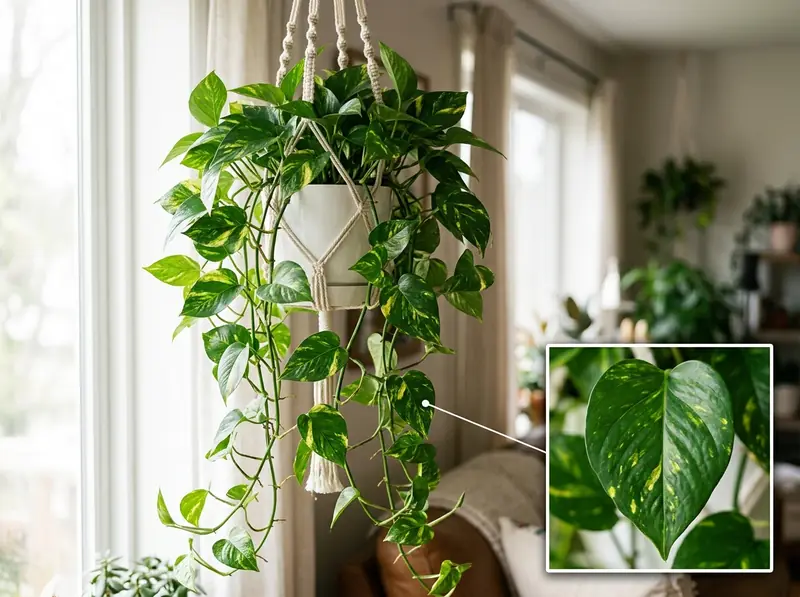
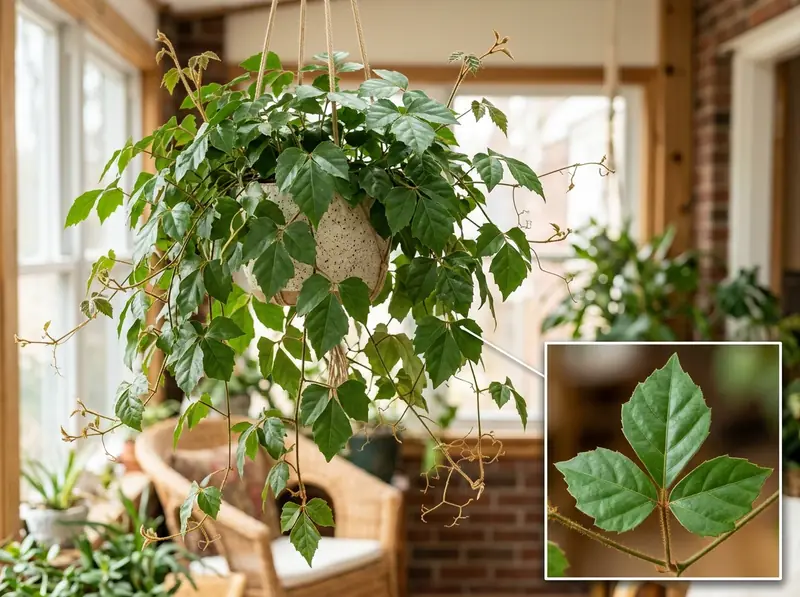
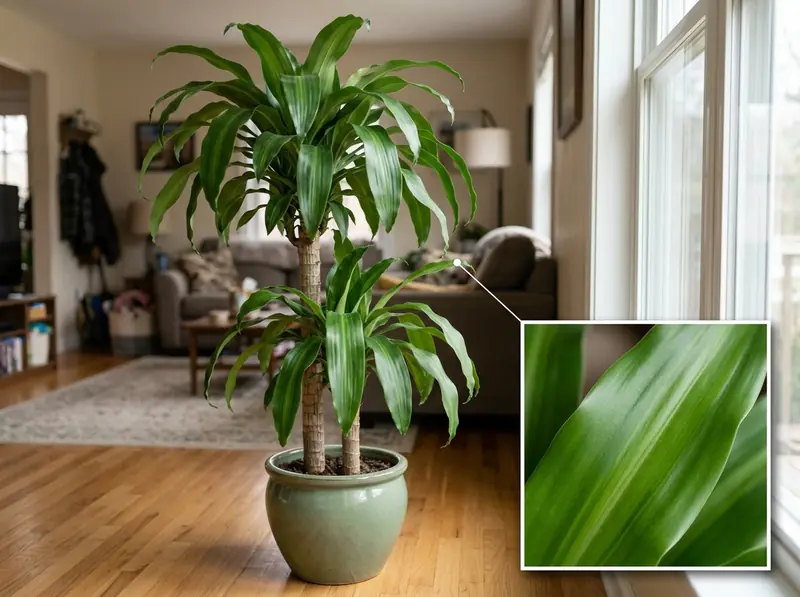
Same light needs and difficulty.
 AI-generated
 AI-generated
 AI-generated
 AI-generated