
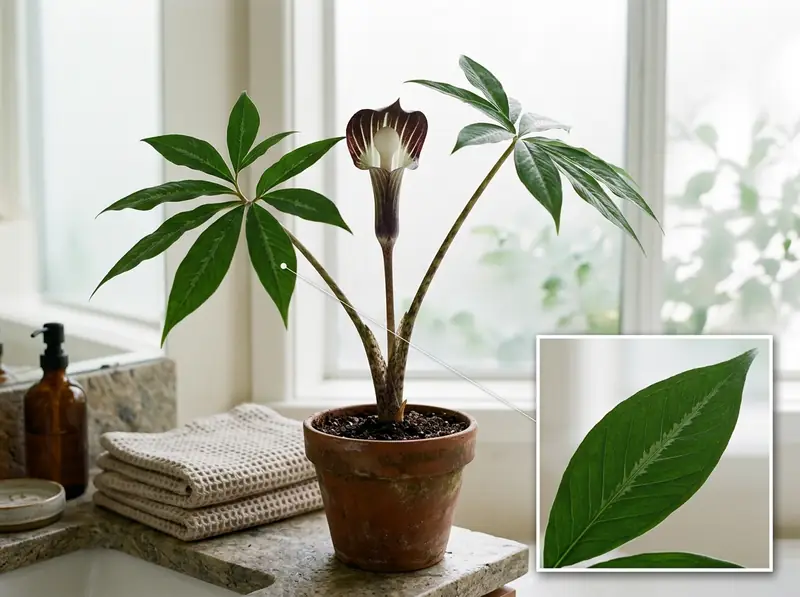
 AI-generated
Japanese Cobra Lily
Arisaema sikokianum
Japanese Cobra Lily is a tuberous woodland plant with a hooded, striped flower that rises from a single mottled stem. It needs a cool winter rest and is for dedicated growers rather than a typical indoor houseplant.
Saving is free with a KinClub account, and it works here and in the KinClub app. Sign up free
Care profile
- Light
- Medium to bright, indirect lightLow → direct sun
- Water
- Keep moistAbout every 5 days
- Difficulty
- ChallengingTricky → easy
- Coldest it tolerates
- 20°F
- Humidity
- Medium to high
- Mature size
- Small to mediumSmall → tree-size
- Growth rate
- Slow to moderate
- How common
- RareRare → everywhere
- Plant family
- Araceae
Pets and toxicity
Cats and dogs: not yet checked
Not yet checked against ASPCA — don't assume it's safe for pets.
No toxicity source on record for this plant yet. If a pet eats any houseplant, call your vet or an animal poison helpline.
How to care for Japanese Cobra Lily
Light
Bright shade or filtered light. Morning sun is fine, but keep it out of hot afternoon sun, which scorches the leaves.
Watering
During growth, keep the soil evenly moist, about every 5 days. When the leaves yellow in fall, stop watering and keep the pot barely damp through winter.
Soil
Rich, humusy, well-draining mix with leaf mold or compost plus perlite. It likes moisture but not soggy ground.
Feeding
Feed monthly in spring with a balanced fertilizer at half strength while the leaves are growing. Stop by midsummer.
Repotting
Repot the tuber every 2 to 3 years in late winter before it sprouts, planting it 2 to 3 inches deep in fresh mix.
Propagation
Separate offset tubers when repotting. Seed is the other route but takes several years to reach flowering size.
Common problems
- No winter rest means weak or missing growth. Keep it cool, between 35 and 50 F, and nearly dry from fall to early spring.
- Tuber rot comes from wet soil in dormancy. Use a gritty mix and water very little while it sleeps.
- Fungus gnats and aphids appear on damp soil and new growth. Let the surface dry and use insecticidal soap on aphids.
Similar plants
Same light needs and difficulty.
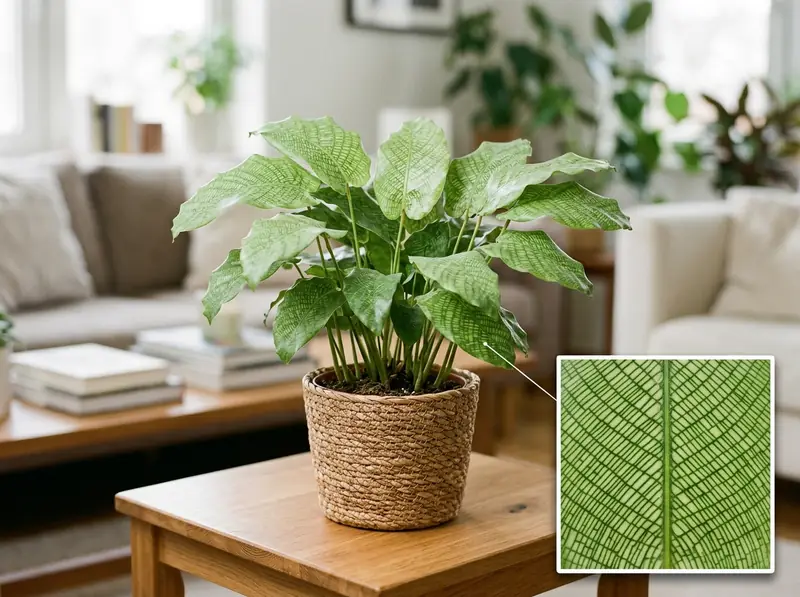 AI-generated
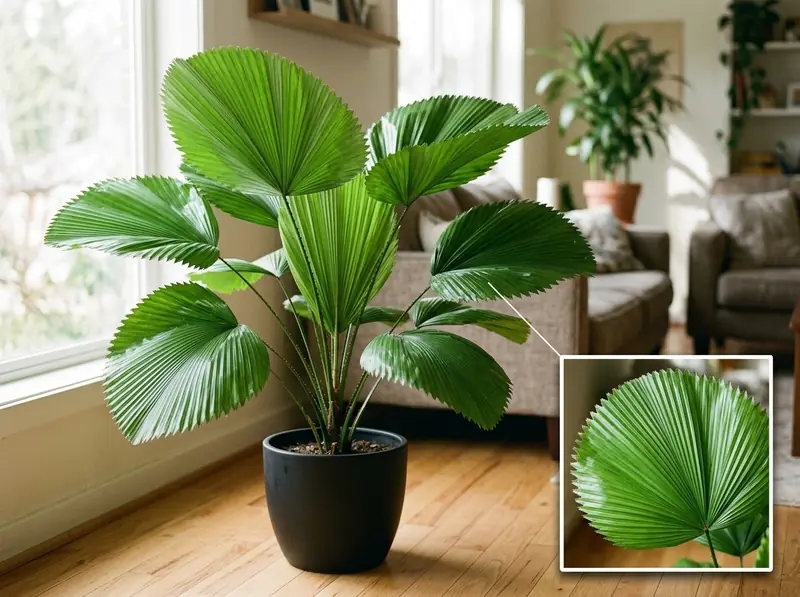 AI-generated
 AI-generated
Calathea Orbifolia
Goeppertia orbifolia
- Medium to bright, indirect light
- Keep moist
Pets: not yet checked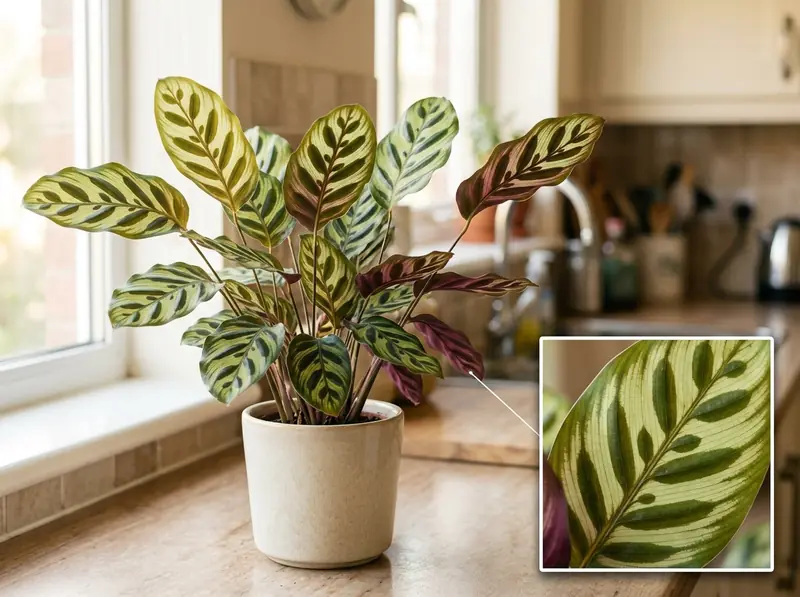 AI-generated