
 AI-generated
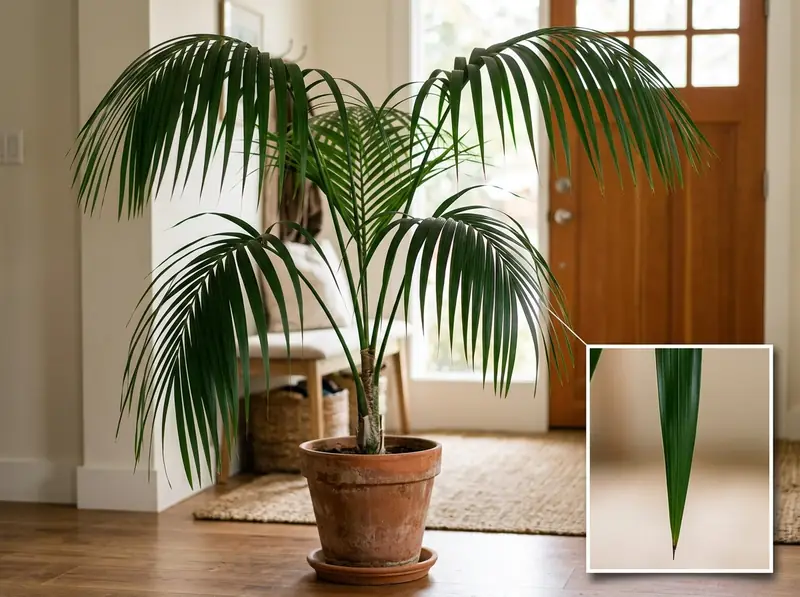
Kentia Palm
Howea forsteriana
Also known as Forster Sentry Palm, Forster Senty Palm, Paradise Palm
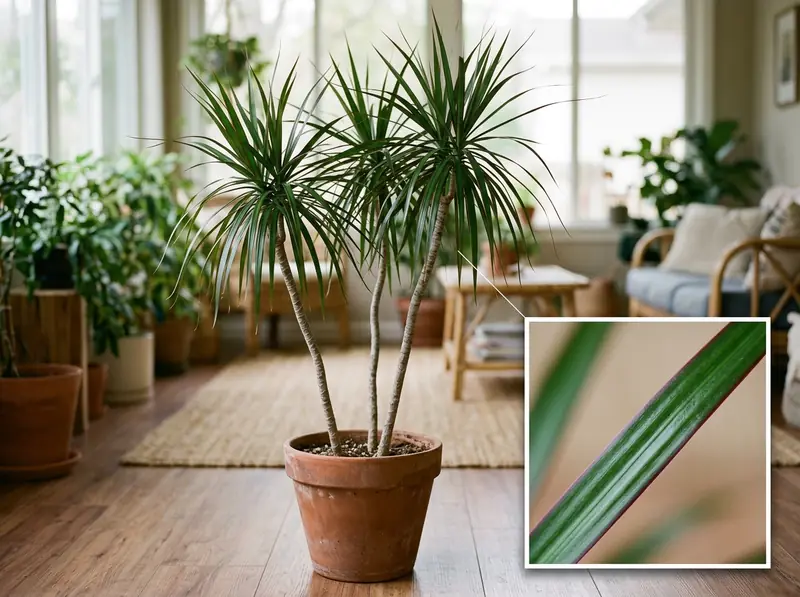
Kentia palm is an elegant, slow-growing palm with arching, feathery fronds, and it is one of the most forgiving palms for indoors. It tolerates lower light, average home humidity and some neglect, but it dislikes soggy soil. Expect it to reach several feet tall over many years, so choose a spot on the floor with room to arch.
Saving is free with a KinClub account, and it works here and in the KinClub app. Sign up free
Care profile
- Light
- Medium lightLow → direct sun
- Water
- Moderate wateringAbout every 10 days
- Difficulty
- EasyTricky → easy
- Coldest it tolerates
- 45°F
- Humidity
- Medium
- Mature size
- Tree-sizeSmall → tree-size
- Growth rate
- Slow
- How common
- Very commonRare → everywhere
- Plant family
- Arecaceae
Pets and toxicity
Non-toxic to cats
Listed as non-toxic to cats by the ASPCA.
Non-toxic to dogs
Listed as non-toxic to dogs by the ASPCA.
Source: ASPCA toxic and non-toxic plants. If a pet eats any houseplant, call your vet or an animal poison helpline.
How to care for Kentia Palm
Light
Does best in medium to bright indirect light but tolerates fairly dim rooms better than most palms. Keep it out of direct midday sun, which scorches the fronds.
Watering
Water thoroughly when the top 1 to 2 inches of soil are dry, usually every 7 to 14 days in the growing season, until water drains out the bottom. Water less often in winter, and never leave it standing in a full saucer.
Soil
Use a well-draining potting mix, such as standard houseplant mix with about 20 to 25 percent perlite or coarse sand added. The pot must have drainage holes.
Feeding
Feed monthly from spring through summer with a balanced liquid fertilizer at half the label strength. Skip feeding in fall and winter.
Repotting
Repot only every 2 to 3 years, in spring, when roots crowd the pot. Go up just 1 to 2 inches in pot diameter, as it likes to be snug and dislikes root disturbance.
Propagation
Grown from seed, which is slow and erratic, taking months to germinate. It has a single trunk with no offsets, so home propagation is not practical and buying a plant is best.
Common problems
- Brown leaf tips: caused by dry air, fluoride in tap water or irregular watering; use filtered or rainwater and water more consistently, and trim only the brown part.
- Yellowing lower fronds: usually overwatering or poor drainage; let the soil dry more and check the pot drains. Older fronds also naturally yellow occasionally.
- Spider mites: fine webbing and stippled leaves in dry air; wipe fronds, rinse the plant, and treat with insecticidal soap weekly.
- Scale or mealybugs: sticky residue and small bumps or cottony tufts on fronds; dab with alcohol on a swab or treat with insecticidal soap.
- Pale, floppy growth: too little light; move to a brighter spot away from direct sun.
Similar plants
Same light needs and difficulty.
 AI-generated
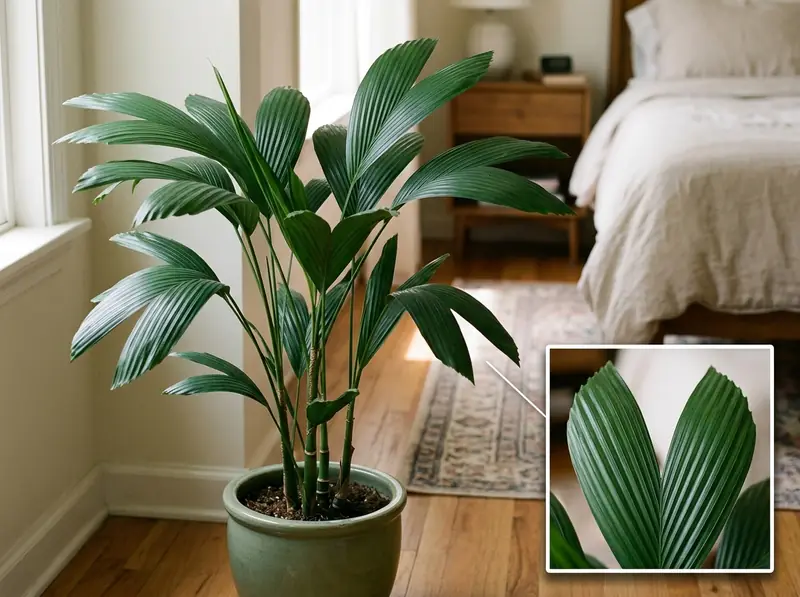
Ernest Augustus Palm
Chamaedorea ernesti-augusti
- Low to medium light
- Moderate watering
Pets: not yet checked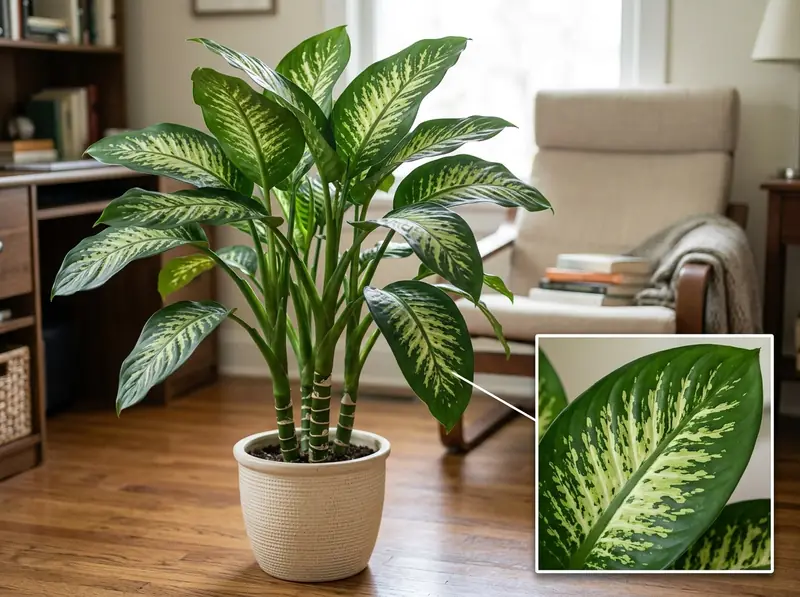 AI-generated
Giant Dumb Cane
Dieffenbachia amoena
- Medium to bright, indirect light
- Moderate watering
Toxic to cats and dogs AI-generated
 AI-generated