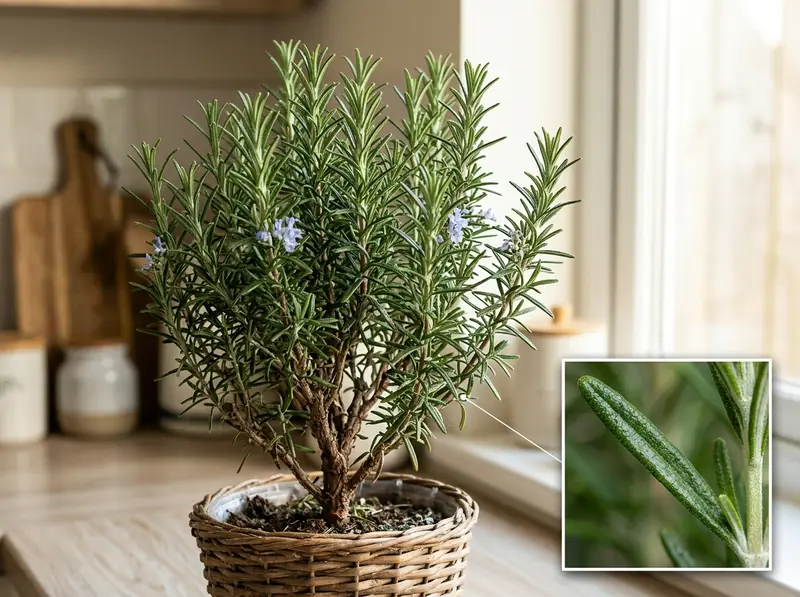
AI-generated image, not a photograph of this plant. Real plants look different depending on light, soil, temperature and age.
HeliconiaceaeCommon in stores
Lobster Claw
Heliconia rostrata
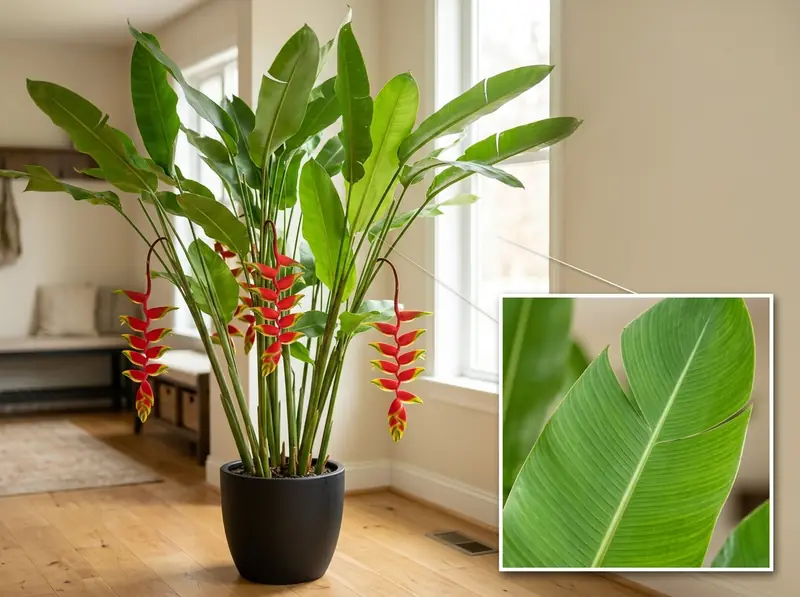
Lobster Claw is a bold tropical with banana-like leaves and hanging red-and-yellow bracts shaped like claws. It is demanding indoors, needing lots of light, warmth, humidity and space, but it rewards a sunny, warm spot with dramatic growth. Expect a large plant that may take a few years to flower.
Pets: not yet checked
💡
Saving is free with a KinClub account, and it works here and in the KinClub app. Sign up free
🪴 Care profile
Light
Direct sunLow → direct sun
Water
Keep moistAbout every 5 days
Difficulty
ChallengingTricky → easy
Coldest it tolerates
55°F
Humidity
High
Mature size
Large to tree-sizeSmall → tree-size
Growth rate
Fast
How common
CommonRare → everywhere
Plant family
Heliconiaceae
🐾 Pets and toxicity
Cats and dogs: not yet checked
Not yet checked against ASPCA — don't assume it's safe for pets.
No toxicity source on record for this plant yet. If a pet eats any houseplant, call your vet or an animal poison helpline.
🌿 How to care for Lobster Claw
Light
Give it several hours of direct sun or very bright light, such as a south- or west-facing window or a sunroom. Low light gives leafy growth but no flowers.
Watering
Keep the soil evenly damp but never waterlogged, usually every 4 to 6 days in the growing season. Water less often in winter, letting the top inch dry out.
Soil
Use a rich, loose, well-draining potting mix with plenty of organic matter, such as potting soil with bark and perlite. It should hold moisture but drain freely.
Feeding
Feed every 2 to 4 weeks in spring and summer with a balanced, high-potassium fertilizer at half strength. Stop or reduce feeding in winter.
Repotting
Repot every 1 to 2 years in spring into a pot 2 to 3 inches wider with drainage holes. Divide crowded clumps at the same time.
Propagation
Divide the rhizomes in spring, making sure each piece has at least one shoot and some roots. Keep divisions warm and humid until new growth appears.
Common problems
Brown, crispy leaf edges: air is too dry or watering is uneven, so mist or use a humidifier and keep the soil evenly moist.
Torn or split leaves: this is natural for the large leaves, but shelter from drafts and keep away from vents to limit it.
Yellowing lower leaves: usually overwatering or poor drainage, so let the top inch dry and check the drainage holes.
Spider mites or scale on leaves: wipe leaves with soapy water and rinse, repeating weekly until clear.
No flowers: usually too little light or too young a plant, so increase light and feed with a high-potassium fertilizer.

 AI-generated
 AI-generated
 AI-generated
 AI-generated
 AI-generated