
 AI-generated
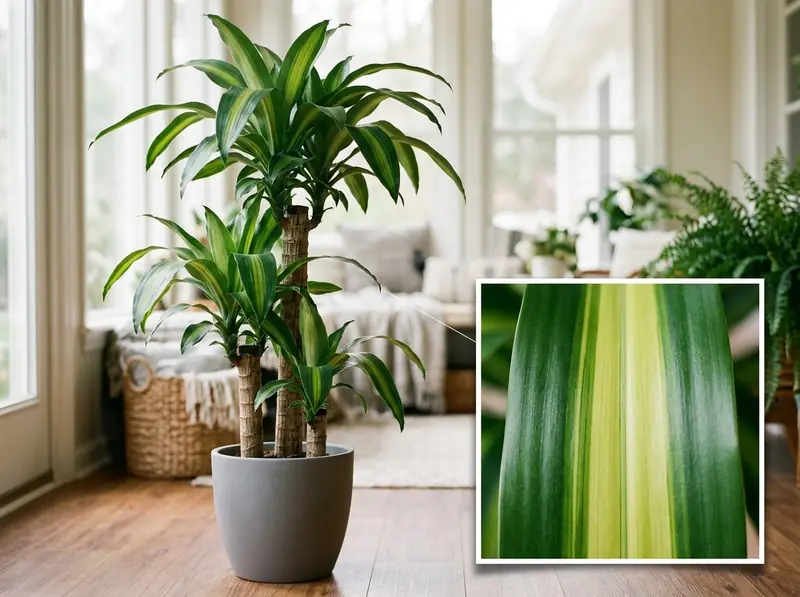
Mass Cane
Dracaena fragrans 'Massangeana'
Mass cane is a classic floor plant with thick, woody canes topped by arching green leaves marked with a yellow-green center stripe. It is forgiving and slow growing, but the variegation stays bold only in bright, indirect light. Let the soil dry in the top couple of inches between waterings and it will last for years.
Saving is free with a KinClub account, and it works here and in the KinClub app. Sign up free
Care profile
- Light
- Medium to bright, indirect lightLow → direct sun
- Water
- Dry to moderate wateringAbout every 12 days
- Difficulty
- EasyTricky → easy
- Coldest it tolerates
- 55°F
- Humidity
- Low to medium
- Mature size
- Tree-sizeSmall → tree-size
- Growth rate
- Slow
- How common
- CommonRare → everywhere
- Plant family
- Asparagaceae
Pets and toxicity
Toxic to cats
Keep away from cats. Call your vet or a pet poison helpline if a cat chews it.
Toxic to dogs
Keep away from dogs. Call your vet or a pet poison helpline if a dog chews it.
Source: ASPCA toxic and non-toxic plants. If a pet eats any houseplant, call your vet or an animal poison helpline.
How to care for Mass Cane
Light
Give it bright-indirect light, such as a few feet from an east window or set back from a south or west window. The yellow-striped leaves fade to plain green and the plant stretches in dim light, and direct midday sun can scorch the leaves.
Watering
Water thoroughly when the top 1-2 inches of soil are dry, roughly every 10-14 days in the growing season, and let excess drain away. Water less often in winter and never leave the pot standing in water.
Soil
Use a well-draining indoor potting mix, ideally with some perlite or coarse sand added (about one part in four). The pot must have drainage holes.
Feeding
Feed with a balanced liquid houseplant fertilizer at half strength about once a month from spring through summer. Skip feeding in fall and winter.
Repotting
Repot every 2-3 years in spring into a pot only 1-2 inches wider, as it is happy being slightly rootbound. Use a heavy pot, since tall plants tip over easily.
Propagation
Cut the top of the cane or sections of bare stem 4-6 inches long and root them in water or moist mix, keeping them upright. Rooting takes several weeks and works best in warm conditions.
Common problems
- Brown leaf tips: usually caused by fluoride or salts in tap water or dry soil; switch to filtered water and trim the brown edges.
- Yellowing lower leaves: a few older leaves yellowing is normal, but many suggests overwatering; let the soil dry more between waterings.
- Spider mites: fine webbing and speckled leaves in dry air; wipe leaves with a damp cloth and treat with insecticidal soap.
- Leaning or stretching plant: too little light; move it closer to a bright window and rotate it every few weeks.
- Soft, dark stem base: root rot from wet soil; if caught early, cut healthy top sections and re-root them.
Similar plants
Same light needs and difficulty.
 AI-generated
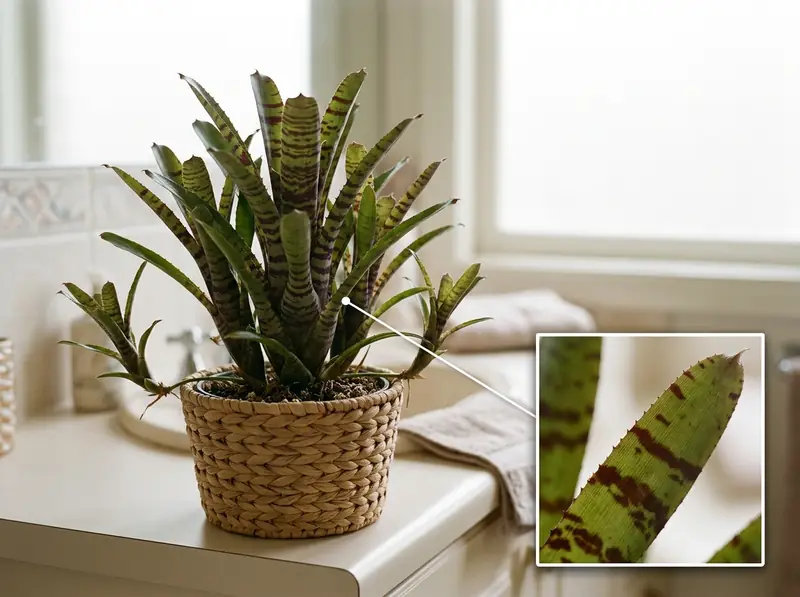
Ampullacea Bromeliad
Neoregelia ampullacea
- Bright, indirect light
- Dry to moderate watering
Pets: not yet checked AI-generated
 AI-generated
Chinese Money Plant
Pilea peperomioides
- Bright, indirect light
- Dry to moderate watering
Pets: not yet checked AI-generated
Christmas Cactus
Schlumbergera × buckleyi
- Bright, indirect light
- Moderate watering
Pets: not yet checked