
 AI-generated
Mexican Grass Tree
Nolina recurvata
Also known as Bottle Palm, Elephant-foot Tree, Pony Tail Plant, Bottle Palm 2, Pony Tail, Nolina tuberculata
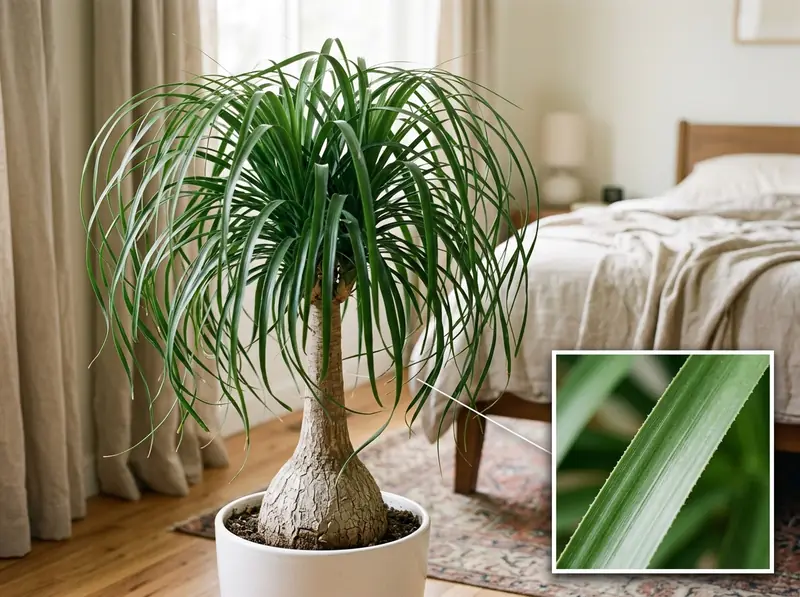
Mexican Grass Tree, also called ponytail palm, is a slow-growing, sculptural plant with a swollen trunk base and long, arching, curly leaves. It stores water in the trunk, so it suits beginners and forgetful waterers. Give it bright light, gritty soil, and let it dry out fully between waterings.
Saving is free with a KinClub account, and it works here and in the KinClub app. Sign up free
Care profile
- Light
- Bright, indirect to direct sunLow → direct sun
- Water
- Let it dry outAbout every 14 days
- Difficulty
- EasyTricky → easy
- Coldest it tolerates
- 45°F
- Humidity
- Low
- Mature size
- LargeSmall → tree-size
- Growth rate
- Slow
- How common
- CommonRare → everywhere
- Plant family
- Asparagaceae
Pets and toxicity
Non-toxic to cats
Listed as non-toxic to cats by the ASPCA.
Non-toxic to dogs
Listed as non-toxic to dogs by the ASPCA.
Source: ASPCA toxic and non-toxic plants. If a pet eats any houseplant, call your vet or an animal poison helpline.
How to care for Mexican Grass Tree
Light
Give it bright light, ideally a few hours of gentle direct sun from an east or south window. It tolerates medium light but grows more slowly and less sturdy.
Watering
Water thoroughly, then let the soil dry out almost completely, usually every 2 to 3 weeks in summer and every 4 to 6 weeks in winter. The swollen trunk base stores water, so it handles missed waterings better than extra ones.
Soil
Use a gritty, fast-draining cactus or succulent mix, or regular potting mix with about one third perlite or coarse sand. Always use a pot with drainage holes.
Feeding
Feed with a balanced houseplant fertilizer diluted to half strength about once a month in spring and summer. Do not feed in fall and winter.
Repotting
Repot only every 3 to 4 years when roots crowd the pot, in spring. It prefers being slightly root-bound, so go up just 1 to 2 inches in pot diameter.
Propagation
Propagate by separating offsets (pups) that form at the base of older plants, cutting them with some roots and potting in gritty mix. Seed is possible but very slow, and stem cuttings are not reliable.
Common problems
- Brown, crispy leaf tips: usually dry air, inconsistent watering or mineral buildup; trim only the dead tips and water thoroughly with less frequency.
- Soft, mushy trunk base: rot from overwatering; unpot, cut away any rotten roots, repot in dry gritty mix, and water sparingly.
- Wrinkled trunk base: the plant is thirsty; give a deep watering and it should plump up in a few days.
- Sticky residue or white cottony spots: mealybugs or scale; dab with rubbing alcohol on a cotton swab and repeat weekly.
- Fine webbing and speckled leaves: spider mites; rinse the foliage and treat with insecticidal soap.
Similar plants
Same light needs and difficulty.
 AI-generated
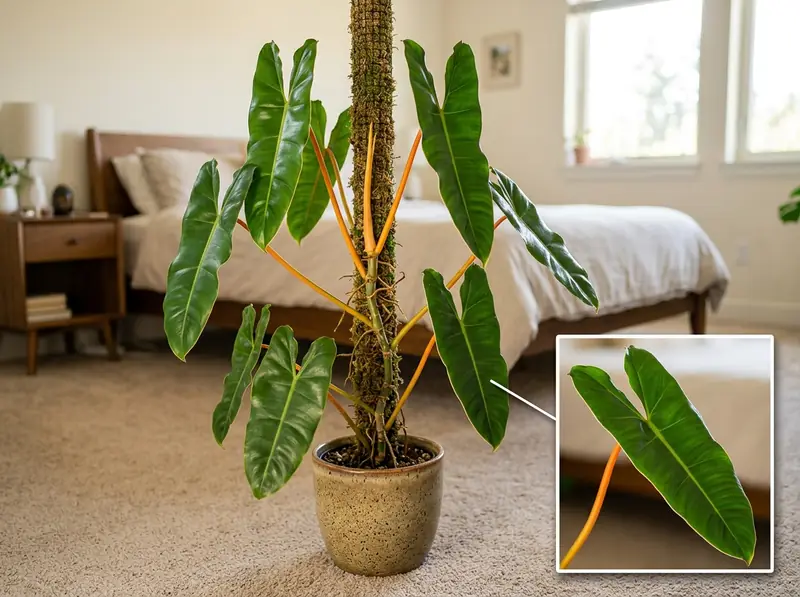
Billietiae Philodendron
Philodendron billietiae
- Bright, indirect light
- Moderate watering
Toxic to cats and dogs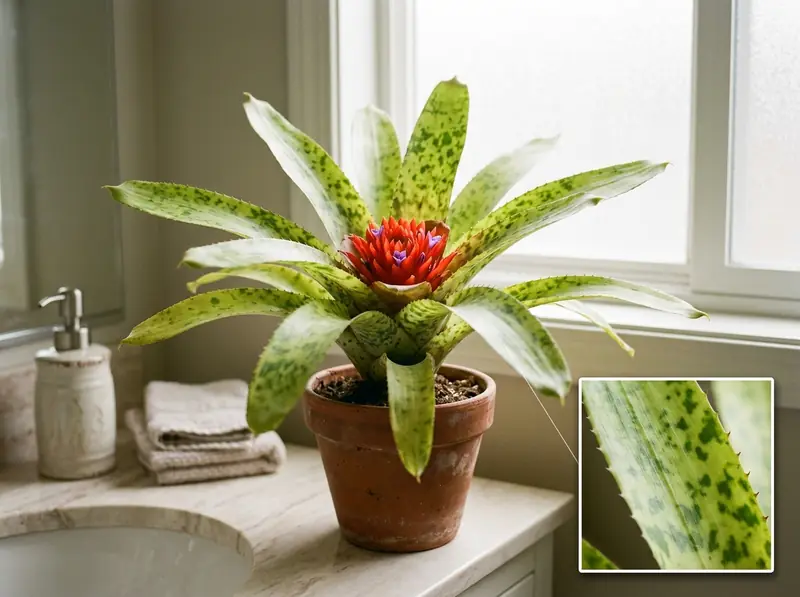 AI-generated
Bird's Nest Bromeliad
Nidularium fulgens
- Medium to bright, indirect light
- Moderate watering
Pets: not yet checked AI-generated
Chinese Money Plant
Pilea peperomioides
- Bright, indirect light
- Dry to moderate watering
Pets: not yet checked AI-generated
Christmas Cactus
Schlumbergera × buckleyi
- Bright, indirect light
- Moderate watering
Pets: not yet checked