
 AI-generated
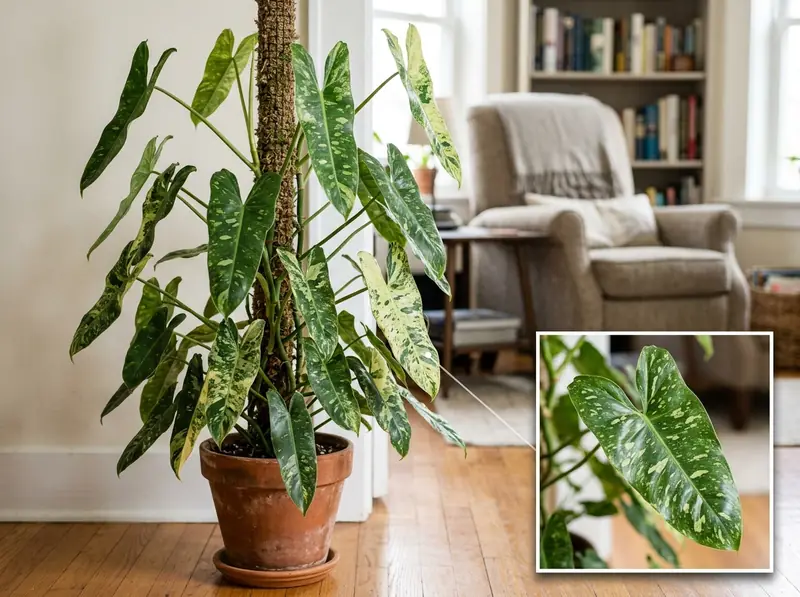
Paraiso Verde Philodendron
Philodendron 'Paraiso Verde'
Paraiso Verde is a fast-growing climbing philodendron with long, arrow-shaped leaves splashed with cream and light green variegation. It is easy to grow in bright indirect light and average home temperatures. Give it a moss pole and it will reward you with larger, more marked leaves.
Saving is free with a KinClub account, and it works here and in the KinClub app. Sign up free
Care profile
- Light
- Bright, indirect lightLow → direct sun
- Water
- Moderate wateringAbout every 7 days
- Difficulty
- Easy to moderateTricky → easy
- Coldest it tolerates
- 60°F
- Humidity
- Medium to high
- Mature size
- LargeSmall → tree-size
- Growth rate
- Fast
- How common
- EnthusiastRare → everywhere
Pets and toxicity
Toxic to cats
Keep away from cats. Call your vet or a pet poison helpline if a cat chews it.
Toxic to dogs
Keep away from dogs. Call your vet or a pet poison helpline if a dog chews it.
Source: ASPCA toxic and non-toxic plants. If a pet eats any houseplant, call your vet or an animal poison helpline.
How to care for Paraiso Verde Philodendron
Light
Bright indirect light suits it best, such as a spot a few feet from an east or lightly filtered south or west window. It tolerates medium light but grows more slowly and stays less lobed.
Watering
Water thoroughly when the top 1-2 inches of soil feel dry, about every 7-10 days in the growing season, until water drains out. Empty the saucer and water less often in winter.
Soil
Use a chunky, well-draining aroid mix, such as standard potting soil blended with about one-third perlite and some orchid bark. Soil should hold some moisture but never stay soggy.
Feeding
Feed every 2-4 weeks from spring through summer with a balanced liquid houseplant fertilizer at half the label strength. Skip feeding in fall and winter.
Repotting
Repot every 1-2 years in spring when roots circle the pot or poke from the drainage holes. Go up only 1-2 inches in pot diameter.
Propagation
Take a stem cutting with at least one node and a leaf, and root it in water or moist potting mix. Roots usually form in 2-4 weeks in warm, bright conditions.
Common problems
- Yellow lower leaves: usually overwatering, so let the soil dry more between waterings and check that the pot drains.
- Brown crispy leaf edges: air or soil is too dry, so water more consistently and keep it away from heating vents.
- Long, leggy stems with small leaves: light is too low, so move it closer to a bright window and provide a support pole.
- Fine webbing or stippled leaves: spider mites, so wipe the leaves, rinse the plant, and treat with insecticidal soap weekly.
Similar plants
Same light needs and difficulty.
 AI-generated
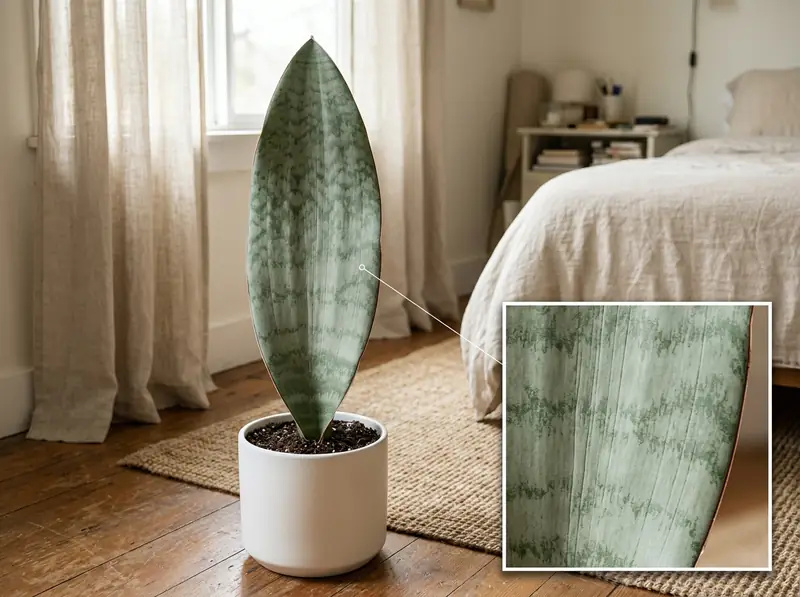
Whale Fin Snake Plant
Dracaena masoniana
- Medium to bright, indirect light
- Let it dry out
Toxic to cats and dogs AI-generated
 AI-generated
Chinese Money Plant
Pilea peperomioides
- Bright, indirect light
- Dry to moderate watering
Pets: not yet checked AI-generated
Christmas Cactus
Schlumbergera × buckleyi
- Bright, indirect light
- Moderate watering
Pets: not yet checked